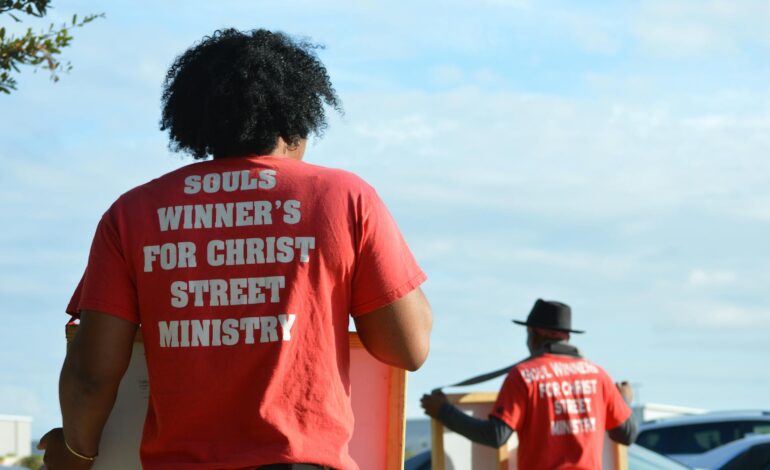
Christianity vs African Spirituality: Africa’s Religious Battle

Introduction: The Spiritual Crossroads of Africa
Africa stands at a profound spiritual crossroads, where ancient indigenous beliefs collide with imported monotheistic religions, particularly Christianity. This ongoing tension represents more than just a religious debate—it’s a fundamental struggle over identity, culture, and the very soul of the continent. As Christianity continues to grow rapidly across Africa, traditional African spirituality faces unprecedented challenges, yet remarkably persists in various forms, often blending with or resisting the dominant faith.
The Historical Context: Colonial Imprints on African Spirituality
The arrival of Christianity in Africa wasn’t merely a peaceful exchange of ideas. European missionaries, often accompanied by colonial administrators, systematically worked to replace indigenous spiritual systems with Christianity. This process was rarely voluntary or respectful of existing beliefs. Traditional healers, known as sangomas in southern Africa or babalawos in West Africa, were demonized as witch doctors practicing dark arts. Sacred groves, ancestral shrines, and ritual sites were destroyed or converted into churches.
The colonial project viewed African spirituality as primitive superstition that needed eradication. Missionaries established schools where children were punished for speaking their native languages or practicing traditional customs. This created a deep psychological wound that continues to affect how many Africans view their own spiritual heritage today. The legacy of this spiritual colonization remains one of the most significant yet under-discussed aspects of Africa’s colonial experience.
Core Principles of African Spirituality
Traditional African spirituality is fundamentally different from Christianity in its worldview and practices. At its core, African spirituality emphasizes:
- Ancestral veneration: Ancestors are seen as intermediaries between the living and the divine, not as deceased individuals to be forgotten
- Communal harmony: Spirituality is deeply embedded in community life rather than being a private, individual experience
- Cyclical time: Unlike Christianity’s linear concept of time, African spirituality embraces cyclical patterns and reincarnation
- Nature reverence: Rivers, mountains, trees, and animals are imbued with spiritual significance
- Holistic healing: Physical, spiritual, and emotional health are interconnected and addressed simultaneously
These principles create a spirituality that is deeply rooted in African cultural identity and environmental context. The belief systems vary across the continent—from the Yoruba religion in Nigeria to the Zulu traditions in South Africa—but share these fundamental characteristics that distinguish them from Abrahamic religions.
Christianity’s Appeal and Expansion in Africa
Christianity has experienced explosive growth in Africa over the past century. From representing less than 10% of the population in 1900, Christians now comprise over 40% of Africa’s population, with projections suggesting this could reach 50% by 2050. This growth isn’t accidental but results from several strategic factors:
- Educational institutions: Churches established schools that provided the only formal education available to many Africans
- Healthcare services: Mission hospitals and clinics filled critical gaps in medical infrastructure
- Social services: Orphanages, feeding programs, and community support networks built trust and dependency
- Prosperity gospel: The promise of material blessings appeals to those facing poverty and hardship
- Modernization narrative: Christianity was positioned as the religion of progress and civilization
- Shame and self-hatred: Converts often internalize the colonial narrative that their traditions are evil or backward
- Identity crisis: The conflict between Christian teachings and cultural practices creates internal tension
- Intergenerational trauma: Families are divided when some members convert while others maintain traditional practices
- Loss of community: Traditional ceremonies and gatherings that once strengthened social bonds are abandoned
- Candomblé and Umbanda in Brazil: African diaspora religions that merged Yoruba spirituality with Catholicism
- Santería in Cuba: A blend of Yoruba religion and Roman Catholicism
- African Independent Churches: Churches that incorporate traditional practices like ancestor veneration within a Christian framework
- Christo-traditional movements: Groups that see Jesus as one of many spiritual forces rather than the exclusive path to salvation
- Ifá revival movements: Efforts to restore Yoruba spiritual practices and knowledge systems
- African Traditional Religion organizations: Groups advocating for official recognition and protection of traditional practices
- Cultural festivals: Events celebrating traditional music, dance, and spiritual practices
- Digital communities: Online platforms connecting practitioners and sharing knowledge about traditional spirituality
- Interfaith dialogue initiatives: Efforts to create understanding between Christian and traditional spiritual practitioners
- Legal recognition: Equal protection and recognition for traditional spiritual practices under the law
- Educational reform: Including accurate information about African spirituality in school curricula
- Interfaith dialogue: Creating spaces for respectful conversation between different spiritual traditions
- Cultural preservation: Documenting and protecting sacred sites, rituals, and knowledge systems
- Psychological healing: Addressing the trauma of religious colonization and rebuilding cultural pride
Pentecostal and charismatic movements have been particularly successful, offering emotionally engaging worship experiences, promises of miracles, and practical solutions to everyday problems. These churches often incorporate elements of traditional spirituality while maintaining a Christian framework, creating a unique African Christianity that differs significantly from its Western origins.
The Psychological Impact of Religious Conversion
The psychological consequences of religious conversion from African spirituality to Christianity run deep. Many Africans experience what psychologists call “cultural bereavement”—a form of grief for the loss of traditional practices, languages, and worldviews. This manifests in several ways:
Dr. Jacob Olupona, professor of African Religious Traditions at Harvard Divinity School, notes: “The psychological violence of telling an African that their ancestors are in hell because they never heard of Jesus has created a spiritual schizophrenia that affects millions across the continent.” This psychological dimension is often overlooked in discussions about religious conversion but represents one of the most profound impacts on African societies.
Syncretism: The Blending of Traditions
Despite Christianity’s dominance, traditional African spirituality hasn’t disappeared—it has adapted. Syncretism, the blending of different religious traditions, has created unique spiritual expressions across Africa. Examples include:
This syncretism represents a form of cultural resistance and adaptation. Rather than complete abandonment of traditional beliefs, many Africans have found ways to maintain their spiritual heritage while embracing aspects of Christianity. This creates a complex religious landscape where boundaries between traditions are often blurred and fluid.
The Economic Dimensions of the Spiritual Battle
The competition between Christianity and African spirituality has significant economic implications. Churches in Africa represent a massive economic sector, with some of the wealthiest pastors globally operating from African nations. The prosperity gospel message has created a lucrative industry where miracles, prophecies, and spiritual products are marketed to desperate populations.
Traditional spiritual practitioners face economic marginalization. While some successful healers charge premium fees for their services, many operate informally and struggle to compete with well-funded churches that offer free services, education, and healthcare. The commercialization of Christianity has created a situation where spiritual authenticity is often measured by material success—a concept foreign to traditional African spirituality.
Tourism also plays a role in this economic dimension. Traditional ceremonies and sacred sites attract tourists interested in authentic African experiences, creating economic incentives to preserve certain aspects of traditional spirituality while potentially commodifying sacred practices.
Political Implications of the Religious Divide
The religious divide in Africa has significant political ramifications. Christian churches often wield considerable political influence, with some pastors functioning as kingmakers in national politics. The moral authority claimed by religious leaders translates into political power, with churches advocating for policies aligned with their doctrinal positions.
Traditional spiritual leaders, by contrast, have been systematically excluded from formal political structures. While some countries have recognized traditional authorities in local governance, their spiritual roles are often separated from their political functions. This creates an imbalance where Christian perspectives dominate national political discourse while traditional spiritual wisdom is marginalized.
The criminalization of certain traditional practices, such as witchcraft accusations, further demonstrates how religious bias influences legal frameworks. While Christianity shapes laws and policies across much of Africa, traditional spiritual practices are often regulated or prohibited, creating an uneven playing field in the spiritual marketplace.
Case Studies: Different African Contexts
West Africa: The Yoruba Resilience
In Nigeria and neighboring countries, Yoruba traditional religion has shown remarkable resilience despite centuries of Islamic and Christian influence. The Yoruba pantheon of orishas (deities) continues to be worshipped openly in some areas, while in others, it has merged with Christianity or Islam. The annual Osun-Osogbo festival attracts thousands of devotees and tourists, demonstrating the enduring appeal of traditional practices.
Southern Africa: The Sangoma Tradition
In South Africa, Zimbabwe, and neighboring countries, traditional healers (sangomas) play a crucial role in healthcare, especially in rural areas. Despite Christian opposition, these practitioners serve millions who trust traditional medicine and spiritual healing. The South African government has recognized traditional healing through the Traditional Health Practitioners Act, acknowledging its importance to many citizens.
East Africa: The Struggle for Cultural Identity
Countries like Kenya and Uganda have seen intense Christian missionary activity, resulting in high conversion rates. However, traditional practices persist in modified forms, particularly around life-cycle rituals like birth, marriage, and death. The tension between Christian doctrine and cultural identity remains particularly acute in these regions.
The Role of Education and Intellectual Discourse
Academic institutions play a crucial role in shaping how African spirituality is understood and valued. Historically, Western scholarship portrayed traditional beliefs as primitive superstitions, but contemporary African scholars are reclaiming and reinterpreting their spiritual heritage. Universities across Africa now offer programs in African Traditional Religion, and scholars like Wole Soyinka, Jacob Olupona, and Kwame Bediako have contributed significantly to elevating the discourse around African spirituality.
However, the education system itself remains largely influenced by Christian frameworks, particularly in mission-founded institutions. This creates a paradox where African scholars must use Western academic methods to validate knowledge systems that were historically dismissed by Western academia. The decolonization of education remains an ongoing process that directly impacts how future generations will relate to their spiritual heritage.
Contemporary Movements and Resistance
Several contemporary movements represent resistance to the complete dominance of Christianity and the reclamation of African spiritual identity:
These movements face significant challenges, including Christian opposition, legal restrictions, and the internalization of colonial religious narratives by many Africans. However, they represent important efforts to preserve and revitalize traditional spiritual knowledge in the face of overwhelming pressure to convert.
The Way Forward: Reconciliation and Coexistence
The future of Africa’s spiritual landscape likely lies not in the complete victory of either Christianity or traditional spirituality, but in finding ways for peaceful coexistence and mutual respect. This requires several important steps:
The path forward requires acknowledging the complex history of religious interaction in Africa while creating space for diverse spiritual expressions. It means recognizing that spirituality is not merely a private belief system but a fundamental aspect of cultural identity and social cohesion.
Conclusion: A Multi-Spiritual African Future
The battle between Christianity and African spirituality is not a zero-sum game with a clear winner and loser. Rather, it represents an ongoing negotiation of identity, meaning, and belonging for millions of Africans. The resilience of traditional spiritual practices, despite centuries of suppression, speaks to their deep connection to African cultural DNA.
As Africa continues to develop and engage with global influences, the challenge will be to create a spiritual landscape that honors both the historical significance of traditional beliefs and the contemporary reality of religious diversity. This requires moving beyond the colonial dichotomy of “civilized” Christianity versus “primitive” traditional religion to recognize the value, complexity, and beauty of Africa’s diverse spiritual heritage.
The soul of Africa is not something to be won by any single religious tradition but is rather a tapestry woven from centuries of spiritual seeking, cultural adaptation, and communal wisdom. The future belongs to those who can embrace this complexity while remaining grounded in the profound spiritual insights that both Christian and traditional African sources offer.