Beyond Conversion: Atheism’s Cultural Impact on South African Traditions by 2026
South Africa, a nation celebrated for its vibrant cultural tapestry and profound spiritual heritage, stands at a fascinating crossroads. While Christianity and various indigenous spiritual practices have long shaped its societal fabric, a quiet but growing demographic is beginning to assert its presence: the non-religious, including atheists. By 2026, the ripple effects of this demographic shift are poised to extend beyond mere personal belief, subtly yet significantly impacting South African traditions. This post delves into what that cultural evolution might look like.
\n\n\n\nSouth Africa’s Spiritual Tapestry: A Foundation of Faith
\n\n\n\nTo understand the potential impact of atheism, one must first grasp the depth of South Africa’s existing spiritual landscape. For centuries, indigenous belief systems, characterized by ancestor veneration, the concept of Ubuntu (humanity towards others), and a deep connection to nature, formed the bedrock of many communities. The arrival of colonialism and missionaries introduced Christianity, which subsequently became the dominant religion, often intertwining with traditional practices to create unique syncretic expressions. Islam, Hinduism, and Judaism also contribute to this rich mosaic, making South Africa one of the most religiously diverse nations.
\n\n\n\nThe Quiet Ascent of the Non-Religious
\n\n\n\nGlobally, there’s a discernible trend of increasing non-affiliation, and South Africa is no exception. While precise figures for self-identified atheists remain relatively small, the broader category of ‘non-religious’ or ‘spiritual but not religious’ is expanding. Factors contributing to this rise include:
\n\n\n\n- \n
- Increased Access to Information: The internet and globalized media expose individuals to diverse worldviews and critical thought. \n
- Education: Higher education often correlates with a questioning of traditional doctrines. \n
- Disillusionment: Some may feel alienated by religious institutions due to scandals, perceived hypocrisy, or their stance on social issues. \n
- Secular Humanism: The growing appeal of ethical frameworks based on reason, empathy, and human values, rather than divine command. \n
By 2026, this demographic, though not necessarily a majority, will likely be more vocal and organized, advocating for their perspectives within the public sphere.
\n\n\n\nBeyond Belief: Cultural Shifts by 2026
\n\n\n\nThe impact of atheism isn’t about converting everyone; it’s about influencing the broader cultural conversation and the evolution of shared practices. Here are key areas where we might see shifts by 2026:

1. Rites of Passage: Weddings, Funerals, and Naming Ceremonies
\n\n\n\n- \n
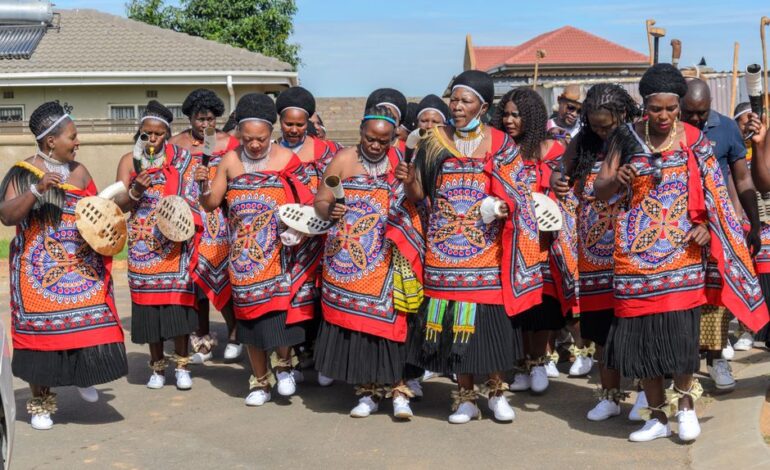
- Secularization of Rituals: A growing demand for non-religious wedding ceremonies, funerals, and baby namings that honor cultural heritage without invoking deities. These might incorporate traditional music, dance, attire, and community feasting, but with humanist or secular officiants and vows focusing on human connection and values. \n
- Reinterpretation of Ancestor Veneration: For some, the traditional practice of honoring ancestors might evolve from a literal spiritual appeasement to a symbolic act of remembering, respecting heritage, and acknowledging the lineage that brought one to the present, focusing on cultural identity rather than supernatural belief. \n
2. Moral & Ethical Frameworks: Ubuntu and Humanism
\n\n\n\n- \n
- Secular Ubuntu: The core tenets of Ubuntu – compassion, interconnectedness, and community – are profoundly ethical and can be embraced without religious foundations. Atheists and humanists in South Africa are likely to champion a secular interpretation of Ubuntu, emphasizing its universal human values as a moral compass. \n
- Reason-Based Ethics: An increased focus on critical thinking and evidence-based reasoning in discussions about social justice, human rights, and public policy, moving away from arguments solely rooted in religious dogma. \n
3. Public Holidays and National Identity
\n\n\n\n- \n
- Inclusive Celebrations: While Christmas and Easter remain significant, there might be a growing call for more inclusive interpretations or the recognition of secular holidays that celebrate national unity, human achievement, or environmental consciousness, alongside existing religious observances. \n
- Debates on Religious Instruction: Increased pressure for secular education and a re-evaluation of the role of religious instruction in public schools, advocating for a more balanced curriculum that includes world religions and ethics from a non-confessional perspective. \n
4. Arts, Literature, and Media
\n\n\n\n- \n
- New Narratives: South African artists, writers, and filmmakers will increasingly explore themes of existentialism, human potential, and non-theistic spirituality. We may see more works that critique religious institutions, celebrate secular life, or reinterpret traditional myths from a non-supernatural viewpoint. \n
- Diverse Voices: Media platforms will likely feature more diverse voices discussing ethics, philosophy, and societal issues from an atheist or humanist perspective, contributing to a richer intellectual landscape. \n
5. Political Discourse and Secular Governance
\n\n\n\n- \n
- Advocacy for Separation: Atheist and humanist organizations will likely become more active in advocating for a stricter separation of church and state, pushing back against religious influence in policy-making and promoting religious freedom for all, including those with no religion. \n
- Protection of Non-Religious Rights: Increased calls for legal and social protections for non-religious individuals against discrimination or marginalization. \n
Navigating the Nuance: Challenges and Coexistence
\n\n\n\nIt’s crucial to acknowledge that these shifts will not be monolithic or without challenge. Many South Africans hold their religious and traditional beliefs deeply, and any perceived erosion of these traditions could lead to resistance. However, the future is likely one of increasing negotiation and reinterpretation rather than outright abandonment.
\n\n\n\nBy 2026, South Africa’s cultural landscape will likely be one where religious and non-religious worldviews coexist, often intertwined, sometimes in tension, but ultimately contributing to a more complex and inclusive national identity. The cultural impact of atheism won’t be about replacing traditions, but rather enriching the conversation around their meaning, allowing them to evolve in ways that resonate with an increasingly diverse population.
\n\n\n\nConclusion: An Evolving Cultural Dialogue
\n\n\n\nAs South Africa marches towards 2026, the influence of atheism and secular thought will be a subtle yet significant force shaping its cultural traditions. From ceremonies to ethics, public discourse to artistic expression, the nation’s rich heritage will continue to evolve, adapting to new perspectives while retaining its unique spirit. The conversation will be less about conversion and more about cultural reinterpretation, fostering a deeper understanding of what it means to be South African in an increasingly diverse and interconnected world.
\n\n\n\nWhat are your thoughts on how South African traditions might evolve? Share your perspectives in the comments below!
\n” }