Religious Pluralism vs. Atheist Push: South Africa’s Spiritual Tug-of-War in 2026
South Africa, a nation celebrated for its vibrant diversity, stands at a unique crossroads as it approaches 2026. Beyond its well-documented cultural and political landscapes, a fascinating spiritual dynamic is unfolding: a subtle yet significant tug-of-war between its deeply entrenched religious pluralism and a growing, vocal atheist and secular push. This isn’t a battle for dominance, but rather a complex negotiation over the public square, moral frameworks, and the very soul of the nation.
South Africa’s Tapestry of Faith: A Legacy of Pluralism
For centuries, South Africa has been a melting pot of spiritual beliefs. Its history is interwoven with:
- Christianity: The dominant faith, brought by European settlers, manifesting in numerous denominations from mainline churches to African Independent Churches (AICs).
- Islam: A significant presence with roots dating back to the arrival of Malay slaves, particularly vibrant in the Western Cape.
- Hinduism: Established by indentured labourers from India, thriving in KwaZulu-Natal.
- Judaism: A long-standing community contributing richly to the nation’s cultural fabric.
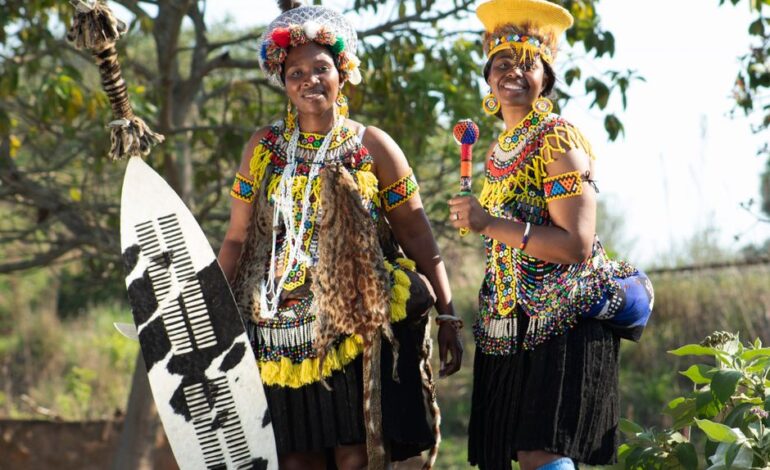
- African Traditional Religions (ATR): Deeply embedded indigenous belief systems, often practiced alongside other faiths, emphasizing ancestors, community, and the natural world.
- Buddhism, Baha’i, and others: Smaller but growing communities adding to the rich mosaic.
The post-apartheid Constitution, a beacon of human rights, enshrines religious freedom, ensuring that all citizens can practice their faith without fear of discrimination. This pluralism has historically been a source of strength, fostering dialogue and contributing to social cohesion in a nation striving to overcome its divisive past.
The Rising Tide of the Atheist and Secular Push
While religious belief remains widespread, the 21st century has seen a noticeable increase in individuals identifying as non-religious, atheist, agnostic, or simply spiritual but not religious. This shift, mirroring global trends, is driven by several factors within South Africa:
- Critique of Religious Institutions: Disillusionment with instances of corruption, hypocrisy, or perceived irrelevance within some religious organizations.
- Emphasis on Science and Reason: A growing embrace of scientific inquiry and critical thinking, often seen as challenging traditional dogma.
- Humanism and Secular Values: Advocacy for a society based on human reason, ethics, and justice, independent of religious doctrines.
- Youth Engagement: Exposure to global secular movements and philosophical debates through the internet and social media.
- Advocacy for Separation of Church and State: A push for a truly secular public sphere where government policy is not influenced by specific religious beliefs.
Organisations like the Free Society Institute and various humanist groups are becoming more prominent, advocating for secular education, challenging religious privilege, and providing community for non-believers.
The Spiritual Tug-of-War: Points of Contention by 2026
As these two forces evolve, several areas are emerging as key battlegrounds in South Africa’s spiritual landscape:
1. The Public Square and Governance
Religious leaders frequently participate in national events, offer prayers in Parliament, and influence public discourse. The secular push questions this, advocating for a clearer demarcation between religious expression and state affairs, particularly in policy-making and public funding. By 2026, debates around religious holidays, official ceremonies, and the role of faith-based organizations in public service delivery are likely to intensify.
2. Education and Moral Frameworks
The inclusion of Religious Education in public schools is a long-standing practice. The secular movement argues for a more inclusive ‘Life Orientation’ curriculum that teaches about all belief systems (including non-belief) from a neutral perspective, or even a fully secular education focused on universal human values. This will be a significant point of negotiation, impacting how future generations are shaped.

3. Social Issues and Human Rights
South Africa’s Constitution is progressive on issues like LGBTQ+ rights and gender equality. However, some religious interpretations clash with these provisions. The atheist push often aligns with universal human rights, advocating for full equality irrespective of religious objections. By 2026, expect continued dialogue—and sometimes tension—around how religious freedom is balanced against the rights of all citizens, particularly concerning issues like reproductive rights, LGBTQ+ acceptance, and traditional practices.
4. Demographic Shifts and Identity
While official census data may still show a high percentage of religious affiliation, anecdotal evidence and smaller surveys suggest a growing fluidity in spiritual identity. Younger generations, in particular, are less bound by traditional religious affiliations. The challenge by 2026 will be for both religious and secular communities to adapt to these evolving identities and find ways to engage meaningfully with a more diverse range of worldviews.
Navigating the Future: Dialogue or Division?
South Africa’s spiritual tug-of-war is not inherently negative. It represents a maturing society grappling with fundamental questions about its values, identity, and governance. By 2026, the nation will likely see:
- Increased Public Debate: More open discussions about the role of religion and secularism in public life.
- Policy Reviews: Potential re-evaluation of policies concerning education, public holidays, and state-religion interactions.
- Diverse Coalitions: Formation of alliances around specific issues, sometimes transcending traditional religious/secular divides (e.g., religious progressives and secular humanists collaborating on social justice).
- A Call for Mutual Respect: An ongoing need for all parties to engage with civility and understanding, acknowledging the deeply held convictions on both sides.
The strength of South Africa has always been its ability to find common ground amidst difference. The spiritual tug-of-war of 2026 offers another opportunity for the Rainbow Nation to define what it means to be a truly inclusive and just society for all its citizens, regardless of their spiritual or non-spiritual worldview.
What are your thoughts?
How do you see this spiritual dynamic evolving in South Africa? Share your perspectives in the comments below!
[Internal Link: Read more about South Africa’s constitutional values]