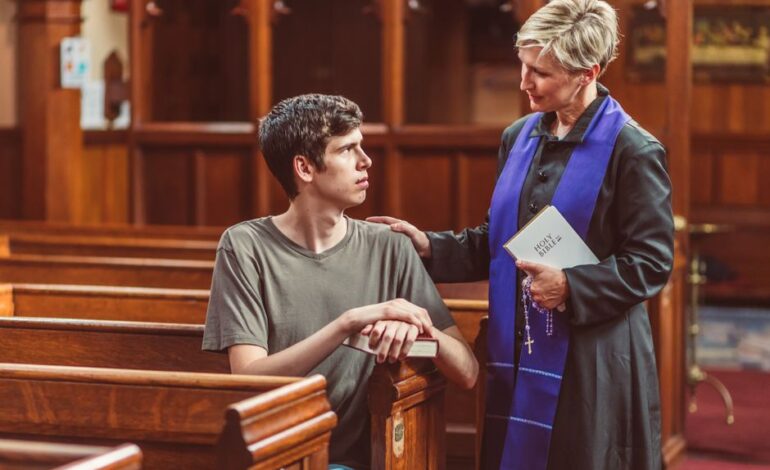
The murmurs have been growing louder for decades: Is religion losing its grip on society? This question becomes particularly poignant when we look at young adults – Millennials and Gen Z – who are often portrayed as increasingly disengaged from traditional faith. But is it truly a decline, or something more nuanced? Are young people abandoning spirituality altogether, or are they simply redefining what it means to be faithful?
In a rapidly changing world, understanding the evolving relationship between young adults and spirituality is crucial for religious institutions, community leaders, and anyone interested in the future of meaning-making.
The Shifting Landscape: A Decline in Traditional Affiliation
Numerous studies, particularly from organizations like the Pew Research Center, highlight a clear trend: the rise of the “nones.” This term refers to individuals who identify as having no religious affiliation – encompassing atheists, agnostics, and those who simply say “nothing in particular.” Young adults disproportionately make up this growing demographic.
- Lower Church Attendance: Fewer young adults attend religious services regularly compared to previous generations.
- Declining Membership: Traditional churches, synagogues, mosques, and temples are seeing a decrease in formal membership among younger cohorts.
- Institutional Distrust: Scandals, political entanglement, and perceived hypocrisy within religious institutions have eroded trust among many young people.
This data paints a picture of disengagement, leading many to conclude that religion is indeed losing its hold. However, looking solely at institutional affiliation might be missing a significant part of the story.
Beyond “None”: The Rise of Personalized Spirituality
While many young adults may not identify with a specific religion, a substantial portion still consider themselves spiritual. This phenomenon is often encapsulated by the phrase “spiritual but not religious” (SBNR). For these individuals, the search for meaning, purpose, and connection remains vital, but it takes forms outside traditional dogma and institutional structures.
- Individualized Journeys: Young adults are crafting their own spiritual paths, often drawing from diverse traditions, philosophies, and personal experiences.
- Focus on Inner Experience: Emphasis is placed on personal growth, mindfulness, meditation, and a connection to something larger than themselves, rather than adherence to strict doctrines.
- Nature as Sanctuary: Many find spiritual solace and connection in nature, seeing it as a source of wonder, peace, and interconnectedness.
- Ethical Living: Spirituality often manifests as a commitment to social justice, environmentalism, and ethical consumption, aligning actions with values.
“Young adults aren’t necessarily abandoning the sacred; they’re simply seeking it in different spaces and forms, often prioritizing authenticity and personal experience over inherited traditions.”
Why the Change? Factors Influencing Young Adults’ Views
Several interconnected factors contribute to this evolving relationship with faith and spirituality:
1. The Information Age & Critical Thinking
With instant access to information, young adults are exposed to a vast array of worldviews, scientific discoveries, and critiques of religion. This fosters a more critical and questioning approach to inherited beliefs, often leading them to scrutinize religious texts and doctrines through a modern lens.
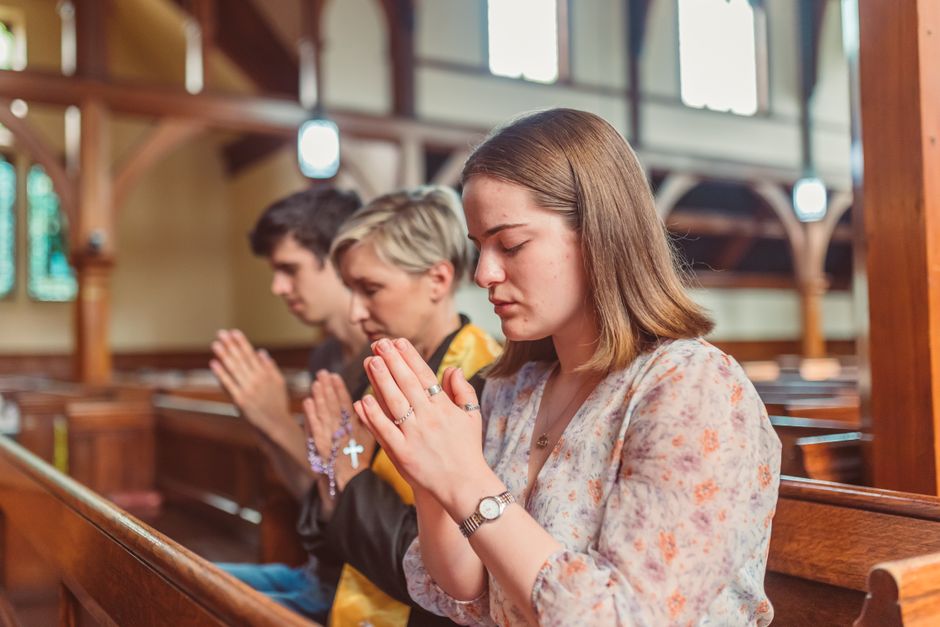
2. Social Justice & Inclusivity
Millennials and Gen Z are deeply concerned with issues of social justice, equality, and inclusivity. Many traditional religious institutions are perceived as being out of step with these values, particularly concerning LGBTQ+ rights, gender equality, and racial justice. This disconnect can be a significant barrier to engagement.
3. Authenticity & Experience
Young adults value authenticity. They are often wary of performative faith or hypocrisy. They seek genuine connection, meaningful experiences, and a sense of belonging that feels true to themselves, rather than merely following rituals or doctrines they don’t fully embrace.
4. Community Redefined
While traditional religious institutions have historically been central hubs for community, young adults are finding belonging in diverse spaces: online communities, activist groups, shared interest clubs, and secular organizations. The need for connection remains, but the avenues for fulfilling it have broadened.
Is It a Loss or a Transformation?
The evidence suggests that rather than a complete loss of faith or a decline in spiritual interest, we are witnessing a significant transformation. Young adults are not necessarily becoming less spiritual; they are becoming more selective, critical, and individualistic in their spiritual quests.
- From Dogma to Discovery: A shift from inherited beliefs to personal exploration.
- From Institution to Individual: A move from prescribed practices to personalized spiritual routines.
- From Exclusive to Inclusive: A desire for spiritual communities that embrace diversity and challenge traditional boundaries.
For religious institutions, this presents both a challenge and an opportunity. Those that can adapt, embrace inclusivity, focus on genuine community, and address contemporary ethical concerns may find new ways to connect with younger generations. Others may continue to see their numbers dwindle.
Conclusion: The Enduring Search for Meaning
The question “Is religion losing its grip?” doesn’t have a simple yes or no answer when it comes to young adults. While traditional religious affiliation is indeed declining, the underlying human need for meaning, purpose, and connection remains as strong as ever. Young adults are simply finding new, often personalized, and less institutionalized ways to fulfill that need.
What we are witnessing is not an abandonment of the sacred, but a dynamic evolution of how it is understood, practiced, and integrated into modern life. The future of spirituality, it seems, will be less about following prescribed paths and more about forging individual journeys, often with a deep commitment to ethical living and a search for authentic connection in an increasingly complex world.