Ancient Religious Texts vs Modern Ethics: Why They Fall Short as Guides for Today

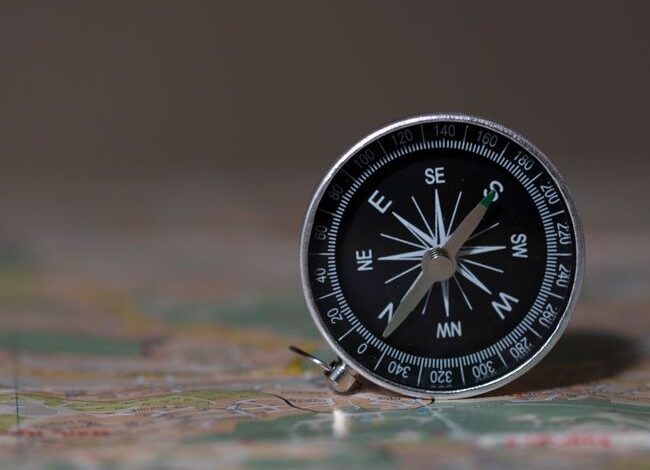
Imagine trying to navigate a bustling metropolis like Tokyo or New York City using a map drawn in the 17th century. It would be utterly useless. Roads have been rerouted, skyscrapers built, entire districts transformed. While perhaps charming as a historical artifact, it offers no practical guidance for the present day. This analogy, stark as it may seem, perfectly illustrates the challenge when religious texts, written for ancient societies, are presented as the sole or primary navigational tools for modern society.
The Historical Lens: Texts Forged in Ancient Worlds
Religious texts, from the Bible and Quran to the Vedas and Tripitaka, are profound historical and cultural documents. They emerged from specific geographical, social, and intellectual contexts, reflecting the understanding, values, and challenges of their time. They speak to agrarian societies, tribal conflicts, limited scientific knowledge, and hierarchical structures that are vastly different from our interconnected, technologically advanced world.
- Limited Scientific Understanding: Ancient texts often contain cosmological, biological, and medical explanations that are now understood to be scientifically inaccurate.
- Contextual Morality: Moral codes within these texts were often tailored to specific societal needs, such as ensuring tribal survival or maintaining social order in pre-modern states.
- Cultural Norms: Practices around gender roles, slavery, justice, and governance reflect the norms of their era, not universal, timeless truths applicable to all societies.
The Chasm of Progress: Static Texts vs. Dynamic Society
Modern society has undergone an unprecedented acceleration of change. The Industrial Revolution, the Enlightenment, the Digital Age, and the era of globalization have reshaped human experience in ways unimaginable to ancient scribes. We grapple with ethical dilemmas that simply didn’t exist when these texts were penned:
- Bioethics: Genetic engineering, cloning, artificial intelligence, end-of-life care.
- Global Challenges: Climate change, nuclear proliferation, pandemics, global economic inequality.
- Digital Rights: Privacy in the digital age, cyber warfare, information spread.
- Human Rights: Universal declarations on gender equality, LGBTQ+ rights, freedom of speech and religion for all.
Attempting to derive definitive answers for these complex, novel issues solely from texts that predate them by millennia is like asking a sundial to tell you the time in different time zones – it’s simply not equipped for the task.
Evolving Ethics: Beyond Ancient Frameworks
Perhaps one of the most significant reasons religious texts fall short as modern guides is the evolution of our moral and ethical understanding. Many ancient texts, for instance, condone or even prescribe practices now widely condemned as morally repugnant, such as:
- Slavery
- Subordination of women
- Punishments like stoning or corporal mutilation
- Persecution of those with differing beliefs or sexual orientations
Modern ethical frameworks, often rooted in secular humanism, the Enlightenment, and a scientific understanding of well-being, prioritize universal human rights, empathy, equality, and critical inquiry. These values have often advanced despite, rather than because of, literal interpretations of ancient religious doctrines. Societies that have embraced these modern ethical principles tend to be more just, equitable, and peaceful.

The Peril of Interpretation and Division
Even if one attempts to interpret ancient texts for modern relevance, the inherent ambiguity and multiplicity of interpretations create more problems than solutions. Within any major religion, there are countless denominations, sects, and schools of thought, each claiming the ‘correct’ interpretation. This leads to:
- Sectarian Conflict: Differences in interpretation often fuel internal and external conflicts, sometimes with devastating consequences.
- Inconsistent Guidance: What one religious leader deems morally permissible or obligatory, another may condemn, leaving society without a unified ethical compass.
- Cherry-Picking: Individuals and groups often select verses that support pre-existing biases, rather than deriving objective guidance.
Where Religious Texts Still Hold Value (The Nuance)
To say religious texts fail as modern societal guides is not to dismiss their profound value entirely. They remain invaluable for:
- Personal Spirituality: Many find deep personal meaning, comfort, and a framework for individual moral conduct.
- Cultural Heritage: They are cornerstones of human history, art, literature, and philosophy.
- Community Building: They often foster strong communities and charitable endeavors.
- Foundational Morals: Core tenets like compassion, forgiveness, and justice often resonate universally, even if their application needs modern re-evaluation.
The distinction lies in recognizing their role: powerful personal and cultural artifacts, but not blueprints for complex 21st-century governance or universal ethical policy.
Charting a New Course: Modern Navigation for a Modern World
Just as we wouldn’t use an ancient astrolabe to navigate with GPS, modern society requires modern navigational tools. These include:
- Critical Thinking and Reason: The ability to analyze information, evaluate evidence, and form logical conclusions.
- Scientific Inquiry: Basing decisions on empirical evidence and a constantly evolving understanding of the natural world.
- Universal Human Rights: A framework that prioritizes the dignity and equality of all individuals, regardless of background or belief.
- Inclusive Dialogue: Engaging diverse perspectives to forge consensus on shared values and solutions.
- Empathy and Compassion: Understanding and responding to the suffering of others, a value often shared across many traditions but applied universally.
Conclusion: Outgrowing the Ancient Maps
Religious texts served as vital maps for the societies that produced them, offering guidance through their particular landscapes. However, the world has expanded, its terrain transformed, and its challenges evolved far beyond the scope of those ancient charts. To effectively navigate the complexities of modern society – its technological marvels, its global interconnectedness, its diverse populations, and its pressing ethical dilemmas – we must rely on dynamic, evidence-based, and inclusive moral compasses. While respecting the historical and personal significance of ancient texts, we must acknowledge their limitations as universal guides for the 21st century and beyond.