
The pews are emptier than they used to be, especially when it comes to the younger generation. Across the globe, religious institutions are grappling with a significant shift: a growing number of young people are identifying as ‘unchurched’ or ‘nones’ – those with no religious affiliation. This isn’t just a statistical blip; it’s a profound cultural movement with deep implications for the future of faith. But what exactly is driving this exodus? Why are more and more young adults choosing to step away from the traditions and communities that once anchored previous generations?
In this comprehensive post, we’ll delve into the multifaceted reasons behind this trend, exploring the societal, cultural, and personal factors that are shaping the spiritual landscape for today’s youth.
The Shifting Landscape: A Look at the Numbers
Before we dive into the ‘why,’ let’s acknowledge the ‘what.’ Research from organizations like the Pew Research Center consistently shows a decline in religious affiliation, particularly among Millennials and Gen Z. While previous generations saw high rates of church attendance and religious identification, today’s young adults are far more likely to claim no religious affiliation at all. This doesn’t necessarily mean they’re all atheists; many identify as spiritual but not religious, or simply disengaged from organized religion.
Key Drivers Behind the Exodus: Why Young People Are Leaving the Pew
1. Perceived Hypocrisy and Inconsistency
Perhaps one of the most frequently cited reasons for disengagement is the perception of hypocrisy within religious institutions. Young people, armed with instant access to information, are quick to spot inconsistencies between stated values and actual practices. Scandals (financial, sexual, power-related), internal conflicts, and a perceived disconnect between a church’s teachings and its actions in the wider world can erode trust and lead to disillusionment.
2. Social and Political Stances
Many traditional religious doctrines struggle to align with the progressive social values held by a significant portion of younger generations. Issues such as LGBTQ+ rights, gender equality, racial justice, and reproductive rights often create a chasm between the church and its younger members. When religious institutions take stances perceived as exclusionary, discriminatory, or politically divisive, young people, who often prioritize inclusivity and social justice, feel alienated and choose to leave.
3. Irrelevance and Lack of Connection
For many young people, traditional church services and sermons can feel outdated, boring, or irrelevant to their daily lives and struggles. They seek authenticity, practical guidance, and a sense of belonging that traditional formats may not always provide. If the message doesn’t resonate with their experiences, address their anxieties about the future, or offer genuine community beyond Sunday mornings, they’re likely to look elsewhere for meaning and connection.
4. Scientific Advancements and Critical Thinking
Growing up in an era of rapid scientific discovery and critical inquiry, many young people find it challenging to reconcile religious dogma with scientific understanding. Questions about creation, evolution, the historical accuracy of religious texts, and the existence of miracles can lead to intellectual dissonance. When religious institutions fail to engage with these questions openly, or demand blind faith over reasoned inquiry, young people, who value evidence and logic, may feel their intellectual integrity is compromised.
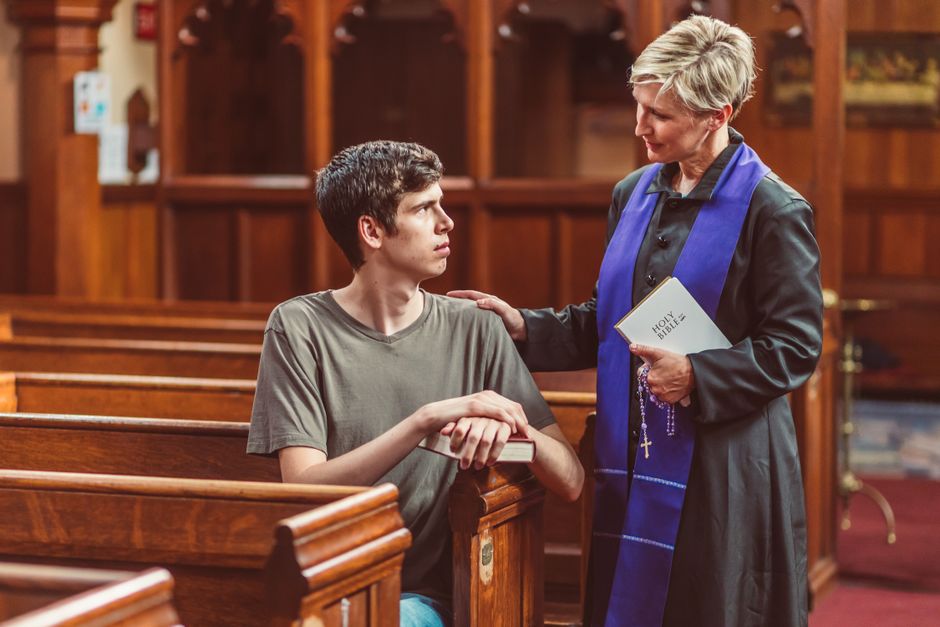
5. Digital Age and Information Access
The internet has democratized information, providing young people with unprecedented access to diverse perspectives on faith, philosophy, and spirituality. They can easily research different religions, critique religious texts, and connect with communities of like-minded individuals, both religious and non-religious. This vast landscape of information means they are less reliant on a single religious institution for spiritual guidance and more equipped to question traditional narratives.
6. Negative Experiences and Trauma
Unfortunately, for some, leaving the church is a response to personal negative experiences, ranging from feeling judged or ostracized to experiencing spiritual abuse or trauma within a religious setting. These experiences can leave deep scars, making it difficult to trust any religious institution again, regardless of its specific denomination or teachings.
7. Lifestyle and Time Constraints
Modern life is busy. Young people often juggle demanding careers, education, social lives, and personal pursuits. For some, attending regular services or participating in church activities simply doesn’t fit into their increasingly packed schedules, especially if they don’t perceive an immediate, tangible benefit or connection.
More Than Just Leaving: What Are They Seeking?
It’s crucial to understand that many young people aren’t necessarily abandoning spirituality entirely. Instead, they are often seeking meaning, purpose, community, and ethical guidance through alternative avenues. They might find it in:
- Secular communities: Volunteer groups, activist movements, hobby clubs.
- Personalized spirituality: Meditation, yoga, nature-based practices, self-help literature.
- Social justice advocacy: Dedicating their time and energy to causes they believe in.
- Online communities: Finding belonging and discussion forums that resonate with their views.
Bridging the Gap: What Can Religious Institutions Do?
For religious institutions hoping to reconnect with the unchurched generation, several key shifts are necessary:
- Embrace Authenticity and Transparency: Be honest about struggles, admit imperfections, and foster genuine, open dialogue.
- Champion Inclusivity and Justice: Actively welcome and affirm all individuals, regardless of background or identity, and be vocal advocates for social justice.
- Foster Dialogue, Not Dogma: Create safe spaces for questioning, doubt, and intellectual exploration, rather than demanding unquestioning adherence.
- Demonstrate Relevance: Address contemporary issues, offer practical tools for navigating modern life, and show how faith can be a force for good in the world.
- Build Authentic Community: Move beyond Sunday services to create genuine opportunities for connection, service, and mutual support.
- Modernize Communication: Utilize digital platforms effectively to reach and engage young people where they are.
Conclusion: A Future of Evolving Faith
The unchurched generation isn’t a sign of a generation without values or a search for meaning. Rather, it reflects a generation that is critically evaluating institutions and seeking authenticity, inclusivity, and relevance in their spiritual journeys. While traditional pews may be emptier, the quest for purpose, community, and a deeper understanding of life persists. For religious institutions, understanding these drivers is the first step towards meaningful engagement and perhaps, a reimagined future of faith that resonates with the hearts and minds of young people today.
What are your thoughts? Have you noticed this trend in your community, or experienced it personally? Share your perspective in the comments below!