Islam’s Treatment of Women: Global Criticism and Debates

Introduction: Understanding the Global Debate
The treatment of women in Islam has been a subject of intense debate and criticism for decades. While many Muslim women and scholars argue that Islam grants women rights and protections, critics—both within and outside the Muslim world—point to practices and interpretations that they believe oppress or marginalize women. This article explores the key areas of contention, historical and cultural influences, and the ongoing efforts for reform and empowerment within Islamic societies.

The Historical Context of Women’s Rights in Islam
Islam, as a religion, emerged in the 7th century in a patriarchal society where women had limited rights. The Quran and Hadith (sayings of the Prophet Muhammad) introduced reforms that, at the time, were progressive. For example:
- Inheritance Rights: Women were granted the right to inherit property, albeit typically half of what male heirs received.
- Marriage Consent: Women’s consent was required for marriage, a significant shift from pre-Islamic practices.
- Divorce Rights: Women were given the right to seek divorce under certain conditions.
However, critics argue that these reforms, while groundbreaking for their time, are outdated in the modern era and often overshadowed by cultural practices that restrict women’s freedoms.
Key Areas of Criticism
The criticism of Islam’s treatment of women often focuses on several key areas:
1. Hijab and Dress Codes
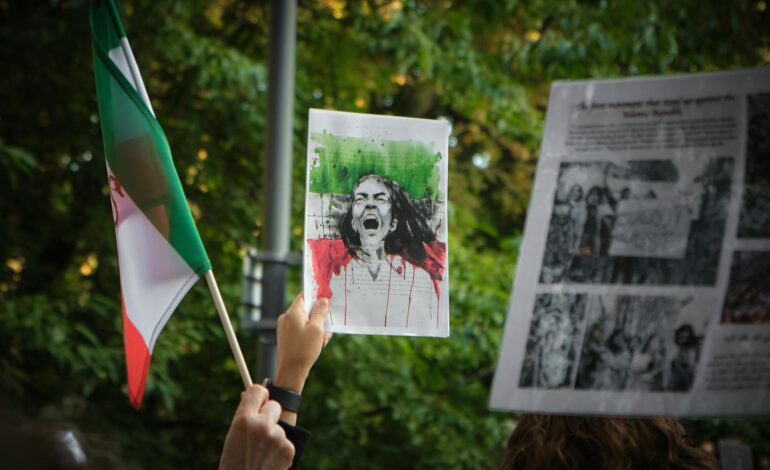
The hijab (headscarf) and other forms of modest dress are among the most visible and debated aspects of Islamic practice. While many Muslim women choose to wear the hijab as an expression of faith and identity, others face pressure or legal mandates to do so. For example:
- In countries like Iran and Saudi Arabia, women are legally required to wear the hijab in public.
- In France and other European countries, the hijab is banned in certain public spaces, sparking debates about religious freedom and secularism.
Critics argue that mandatory hijab laws infringe on women’s autonomy, while supporters view it as a religious obligation and a symbol of modesty.
2. Marriage and Divorce Laws
Islamic family laws vary widely across different countries and interpretations, but some common practices draw criticism:
- Polygamy: Islam permits men to marry up to four wives, provided they treat them equally. Critics argue this practice is inherently unequal and often leads to emotional and financial hardship for women.
- Guardianship Systems: In some countries, women require a male guardian’s permission to marry, travel, or work. Saudi Arabia, for example, only recently relaxed some of these restrictions.
- Divorce Rights: While women can seek divorce, the process is often more difficult for them than for men. In some cases, men can divorce their wives unilaterally (talaq), while women must go through legal proceedings.
3. Gender Segregation and Public Life
In many conservative Muslim societies, gender segregation is enforced in public spaces, education, and workplaces. For example:
- In Afghanistan under Taliban rule, women are barred from most public roles, including education and employment.
- In Saudi Arabia, gender segregation in public spaces was common until recent reforms allowed women more freedom.
Critics argue that such segregation limits women’s opportunities and reinforces gender inequality, while proponents claim it protects women’s modesty and honor.
4. Honor-Based Violence
Honor-based violence, including honor killings, is a grave issue in some Muslim-majority countries. These crimes are often committed by family members who believe a woman has brought shame to the family, whether through perceived immoral behavior, refusing an arranged marriage, or seeking divorce. While honor killings are not unique to Islam, they are prevalent in some conservative Muslim communities.
5. Access to Education and Employment
In some Muslim-majority countries, women face significant barriers to education and employment. For example:
- The Taliban’s ban on girls’ education in Afghanistan has drawn global condemnation.
- In Pakistan and other countries, cultural norms often prioritize boys’ education over girls’.
However, it’s important to note that many Muslim women have achieved high levels of education and professional success, particularly in countries with more progressive policies.
Cultural vs. Religious Practices
One of the most complex aspects of this debate is distinguishing between cultural practices and religious mandates. Many practices criticized as Islamic are, in fact, cultural traditions that predate Islam or are influenced by local customs. For example:
- Female Genital Mutilation (FGM): While FGM is practiced in some Muslim communities, it is not mandated by Islam and is also found in non-Muslim societies.
- Child Marriage: Although some Muslim communities practice child marriage, it is not universally accepted in Islam and is often tied to poverty and cultural norms.
Reform and Empowerment Movements
Despite the criticisms, there are growing movements within Islam advocating for women’s rights and gender equality. These include:
- Feminist Interpretations of Islam: Scholars like Amina Wadud and Kecia Ali argue for reinterpretations of Islamic texts to promote gender equality.
- Legal Reforms: Countries like Tunisia and Morocco have reformed family laws to grant women more rights in marriage and divorce.
- Grassroots Activism: Organizations like Musawah and the Muslim Women’s League work to empower women within Islamic frameworks.
Conclusion: A Complex and Evolving Debate
The treatment of women in Islam is a multifaceted issue shaped by religious texts, cultural practices, and historical contexts. While criticisms of gender inequality are valid in many cases, it’s essential to recognize the diversity of experiences among Muslim women and the ongoing efforts for reform. The debate is not just about religion but also about power, tradition, and the evolving role of women in society.
For those seeking to understand this topic, it’s crucial to engage with diverse perspectives, including the voices of Muslim women themselves, who are at the forefront of advocating for change.