Human Rights Issues in Islamic Practices: A Critical Analysis
Introduction: Understanding the Context
Islam, as one of the world’s major religions, is practiced by over 1.8 billion people globally. While it promotes peace, justice, and compassion, there are aspects of Islamic practices that have been scrutinized for potential human rights violations. This article aims to explore these concerns in a balanced and informative manner, shedding light on issues such as gender inequality, freedom of expression, and minority rights within certain interpretations of Islamic law and cultural practices.
The Role of Sharia Law in Human Rights Concerns
Sharia law, derived from the Quran and Hadith, serves as a legal framework in many Muslim-majority countries. However, its interpretation and implementation vary widely, leading to debates about its compatibility with universal human rights standards.
Key Areas of Controversy
- Gender Inequality: In some interpretations, women face restrictions in marriage, divorce, inheritance, and testimony in court.
- Freedom of Expression: Blasphemy laws in countries like Pakistan and Saudi Arabia have led to severe punishments, including the death penalty.
- Minority Rights: Non-Muslim minorities, such as Christians and Ahmadiyya Muslims, often face discrimination or persecution.
Gender Rights: A Closer Look
One of the most debated aspects of Islamic practices is the treatment of women. While Islam grants women certain rights, such as the right to own property and seek education, cultural and legal interpretations in some regions have led to systemic inequalities.
Examples of Gender-Based Restrictions
- Guardianship Systems: In Saudi Arabia, women were historically required to have a male guardian’s permission for travel, work, or medical procedures. Reforms have been made, but challenges remain.
- Marriage and Divorce: In some countries, women cannot initiate divorce as easily as men, and polygamy is permitted under certain conditions.
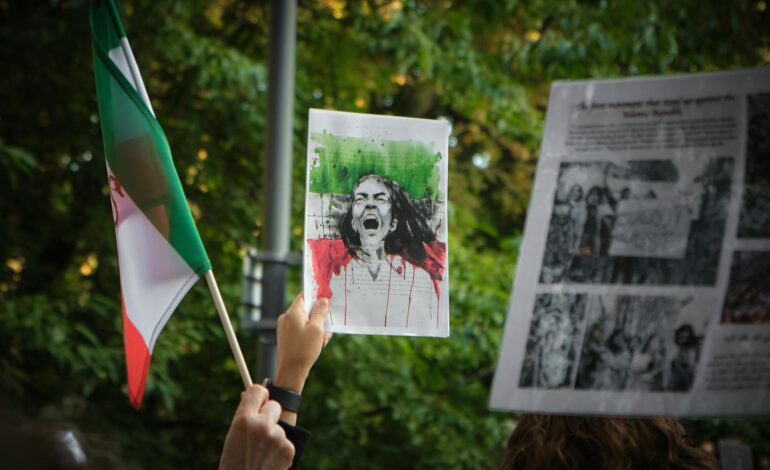
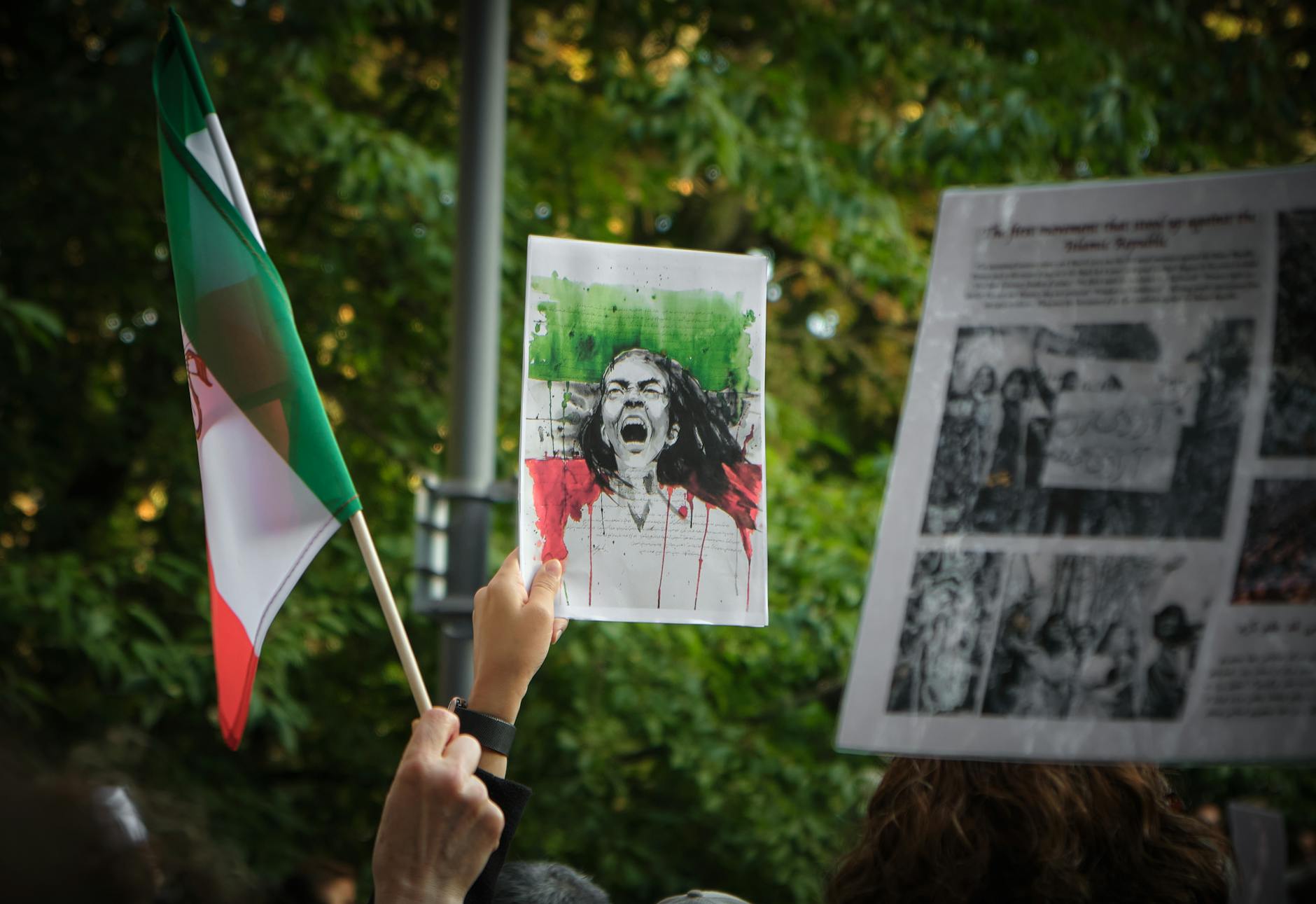
- Dress Codes: Mandatory hijab laws in Iran and other regions have sparked protests and debates about bodily autonomy.
According to a Human Rights Watch report, women in Afghanistan under Taliban rule face severe restrictions on education and employment, highlighting the regression in gender rights.
Freedom of Expression and Blasphemy Laws
Blasphemy laws in some Muslim-majority countries have been criticized for stifling free speech and targeting religious minorities. For example:
- In Pakistan, blasphemy accusations have led to mob violence and extrajudicial killings, with over 1,500 cases reported since 1987.
- In Saudi Arabia, critics of the government or Islamic practices have faced imprisonment or flogging.
These laws often disproportionately affect minorities, such as the Ahmadiyya community, who are considered non-Muslim in Pakistan despite identifying as Muslim.
Minority Rights and Religious Persecution
Non-Muslim minorities in some Islamic states face systemic discrimination, including restrictions on worship, employment, and political participation. Examples include:
- Bahrain: The Shi’a majority faces political marginalization by the Sunni-led government.
- Iran: Baha’is and Christians are denied equal rights and face persecution.
- Myanmar: Rohingya Muslims have been subjected to ethnic cleansing and genocide.
The Amnesty International 2022 report highlights ongoing violations against minorities in these regions, calling for international intervention.
Cultural Practices vs. Religious Doctrine
It is essential to distinguish between cultural practices and religious doctrine. Many human rights issues arise from cultural interpretations rather than the Quran itself. For instance:
- Female Genital Mutilation (FGM): Practiced in some African and Middle Eastern communities, FGM is not mandated by Islam but is often justified through cultural norms.
- Child Marriage: While some Muslim-majority countries permit child marriage, it is not universally accepted in Islam and is condemned by many scholars.
Reform Movements and Progressive Interpretations
Despite these challenges, there are reformist movements within Islam advocating for human rights. Scholars like Dr. Amina Wadud and organizations such as Muslims for Progressive Values promote gender equality and LGBTQ+ rights within an Islamic framework.
Countries like Tunisia and Morocco have made strides in reforming family laws to grant women more rights in marriage and inheritance.
Conclusion: A Call for Dialogue and Reform
While Islamic practices have faced criticism for human rights violations, it is crucial to recognize the diversity within the religion. Progressive interpretations and reform movements offer hope for aligning Islamic practices with universal human rights standards.
Key takeaways:
- Human rights issues in Islamic practices often stem from cultural or legal interpretations rather than religious doctrine.
- Reformist movements are working to promote equality and justice within Islam.
- International advocacy and dialogue are essential for addressing these challenges.
For further reading, explore resources from Human Rights Watch and Amnesty International.