Religious Fundamentalism’s Impact on Global Conflicts
Understanding Religious Fundamentalism and Its Global Impact
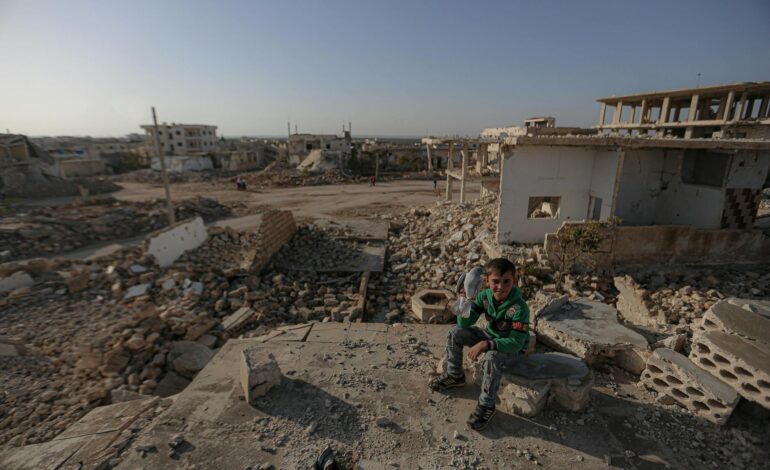
Religious fundamentalism has emerged as one of the most significant factors shaping modern global conflicts. This comprehensive analysis explores how rigid religious ideologies contribute to social tensions, political instability, and violent confrontations across different regions of the world.
Defining Religious Fundamentalism
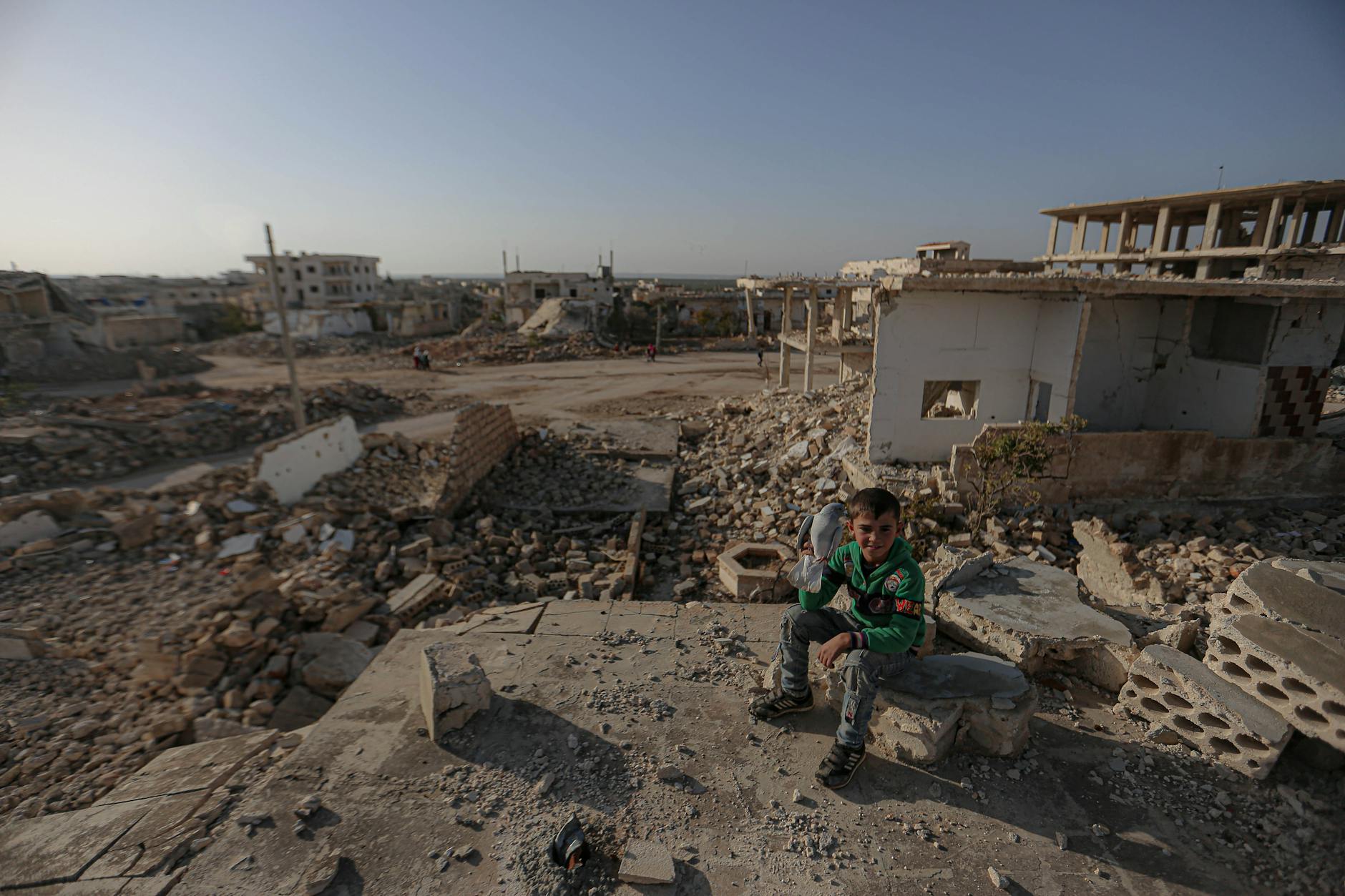
Religious fundamentalism refers to a strict adherence to specific theological doctrines, often characterized by literal interpretation of sacred texts and resistance to modern secular influences. These movements typically emphasize traditional values, reject compromise, and view their beliefs as absolute truths that must be defended at all costs.
Historical Context and Evolution
The roots of modern religious fundamentalism can be traced back to the late 19th and early 20th centuries, when rapid social changes and scientific advancements challenged traditional religious authority. The term “fundamentalism” originally emerged from a series of publications in the United States called “The Fundamentals,” which aimed to reaffirm core Christian beliefs.
Key Characteristics of Religious Fundamentalist Movements
Fundamentalist movements share several common characteristics across different religions:
- Literal interpretation of sacred texts
- Rejection of modern secular values
- Strong emphasis on traditional gender roles
- Resistance to interfaith dialogue
- Belief in divine mandate for political action
Impact on Global Conflicts
The influence of religious fundamentalism on global conflicts manifests in various ways:
- Justification of violence through religious doctrine
- Creation of exclusive identity groups
- Resistance to peaceful conflict resolution
- Manipulation of religious sentiments for political gain
Case Studies of Religious Fundamentalism in Conflict
Several prominent conflicts demonstrate the role of religious fundamentalism:
- The Israeli-Palestinian conflict, where religious claims to land intensify territorial disputes
- The rise of Islamic State (ISIS) and its interpretation of jihad
- Hindu nationalist movements in India affecting minority communities
- Christian fundamentalist groups influencing political decisions in various countries
Psychological and Sociological Factors
Religious fundamentalism often flourishes in conditions of:
- Economic uncertainty
- Rapid social change
- Political instability
- Perceived cultural threats
Impact on International Relations
Religious fundamentalist movements significantly affect international diplomacy and cooperation:
- Creation of ideological barriers between nations
- Complication of peace negotiations
- Influence on immigration policies
- Impact on educational systems and curriculum
Economic Consequences
The economic impact of religious fundamentalism includes:
- Restrictions on women’s participation in the workforce
- Limitations on scientific and technological advancement
- Effects on foreign investment and trade
- Impact on tourism and cultural exchange
Media and Information Warfare
Modern religious fundamentalist movements utilize:
- Social media for recruitment and propaganda
- Alternative media sources to spread ideology
- Control of educational content
- Manipulation of historical narratives
Countering Religious Fundamentalism
Efforts to address religious fundamentalism include:
- Promotion of religious literacy and education
- Support for moderate religious voices
- Development of interfaith dialogue programs
- Implementation of counter-radicalization strategies
Role of Technology and Social Media
The digital age has transformed how religious fundamentalist movements operate:
- Increased ability to reach global audiences
- Creation of online echo chambers
- Use of encrypted communication platforms
- Exploitation of algorithmic content recommendations
Impact on Human Rights
Religious fundamentalism often conflicts with human rights principles:
- Restrictions on freedom of expression
- Limitations on women’s rights
- Persecution of religious minorities
- Opposition to LGBTQ+ rights
Future Trends and Challenges
The future of religious fundamentalism and its impact on global conflicts may be shaped by:
- Demographic changes
- Climate change and resource scarcity
- Technological advancement
- Changing geopolitical power dynamics
Policy Recommendations
Addressing the challenges posed by religious fundamentalism requires:
- Comprehensive education reform
- Support for moderate religious institutions
- International cooperation on counter-extremism
- Protection of religious freedom while preventing extremism
Conclusion
Understanding the complex relationship between religious fundamentalism and global conflicts is crucial for developing effective strategies to promote peace and stability. While religious beliefs can be a source of comfort and community, their extremist interpretations can lead to devastating consequences. Addressing these challenges requires a nuanced approach that respects religious freedom while preventing the spread of harmful ideologies.