Religious Tolerance: Building Peace Across Faiths

Understanding the Roots of Religious Conflict
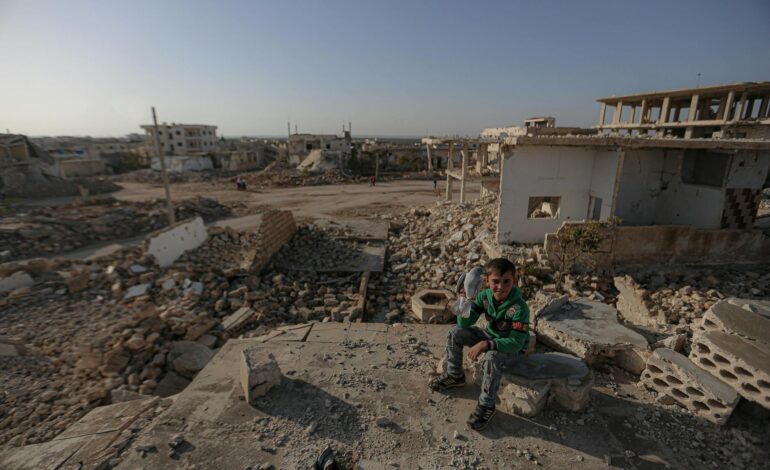
Religious conflicts have plagued humanity for centuries, often serving as a catalyst for wars, discrimination, and social division. These conflicts typically arise from a complex interplay of factors including theological differences, historical grievances, political manipulation, and economic disparities. Understanding these root causes is essential for developing effective strategies to promote religious tolerance and peacebuilding.

According to a 2023 report by the Pew Research Center, religious hostilities have increased in 43% of countries worldwide over the past decade. This alarming trend underscores the urgent need for comprehensive approaches to address religious tensions before they escalate into violence. The cycle of religious conflict often follows a predictable pattern: initial tensions lead to discrimination, which then breeds resentment, ultimately resulting in violence or war.
The Role of Education in Promoting Religious Tolerance
Education serves as a powerful tool for breaking the cycle of religious conflict. When individuals learn about different faith traditions, their misconceptions and prejudices often diminish. Educational initiatives that promote interfaith dialogue and understanding can create bridges between communities that might otherwise remain divided.
Schools and universities can implement curricula that teach about various religions from an objective, academic perspective. This approach helps students appreciate the diversity of human spiritual expression while recognizing common values shared across faiths. For example, many religions emphasize compassion, justice, and community service, despite their theological differences.
Beyond formal education, community-based learning programs can bring together people from different religious backgrounds. These programs might include joint service projects, cultural exchanges, or discussion groups that allow participants to share their beliefs and experiences in a safe, respectful environment.
Interfaith Dialogue: Building Bridges Across Differences
Interfaith dialogue represents one of the most effective strategies for promoting religious tolerance and peacebuilding. When religious leaders and adherents engage in meaningful conversations across faith lines, they discover shared values and common concerns. These dialogues can occur at various levels, from local community gatherings to international forums.
Successful interfaith initiatives often focus on practical cooperation rather than theological debate. By working together on issues like poverty alleviation, environmental protection, or disaster relief, people of different faiths demonstrate that religious differences need not prevent collaboration on shared goals. The United Nations Alliance of Civilizations has documented numerous successful interfaith partnerships that have contributed to conflict prevention and resolution.
Digital platforms have also expanded opportunities for interfaith dialogue. Online forums, social media groups, and virtual conferences allow people from different parts of the world to engage in discussions about faith and peace. These digital spaces can be particularly valuable in regions where physical interfaith gatherings might be restricted or dangerous.
Legal Frameworks and Religious Freedom
Strong legal protections for religious freedom form the foundation of any society committed to religious tolerance. Constitutions and laws that guarantee the right to practice one’s faith, change religions, or have no religion at all create an environment where religious diversity can flourish. The Universal Declaration of Human Rights, adopted by the United Nations in 1948, established religious freedom as a fundamental human right.
However, legal protections alone are insufficient without effective enforcement mechanisms and cultural acceptance. Many countries have constitutional guarantees of religious freedom, yet discrimination and persecution persist. Governments must not only establish these protections but also actively promote their implementation through education, public awareness campaigns, and accountability measures.
International organizations and NGOs play a crucial role in monitoring religious freedom violations and advocating for change. Groups like Human Rights Watch and Amnesty International document cases of religious persecution and work with governments to improve protections. Their efforts help create international pressure for reform and provide support to religious minorities facing discrimination.
Media Responsibility and Religious Representation
The media significantly influences public perceptions of different religious groups. Responsible journalism that accurately represents diverse faith traditions can promote understanding and tolerance. Conversely, sensationalized or biased coverage can reinforce stereotypes and fuel religious tensions.
Media literacy programs can help audiences critically evaluate religious representations in news and entertainment. These programs teach people to recognize bias, verify sources, and understand the broader context of religious issues. By developing these skills, individuals become less susceptible to propaganda and misinformation that can exacerbate religious conflicts.
Religious leaders and communities also have a responsibility to engage constructively with media. By providing accurate information, offering expert commentary, and participating in public discussions, they can help ensure balanced coverage of religious issues. Some religious organizations have established their own media outlets to share their perspectives directly with the public.
Economic Development and Religious Harmony
Economic factors often underlie religious conflicts, even when the surface tensions appear to be purely theological. Poverty, unemployment, and resource scarcity can create conditions where religious differences become magnified and exploited by those seeking to gain power or deflect blame. Addressing these economic root causes is essential for sustainable peacebuilding.
Development programs that promote economic opportunities for all religious communities can reduce tensions and build trust. When people have access to education, employment, and basic services regardless of their faith, they are less likely to view religious differences as threats. Microfinance initiatives, vocational training programs, and community development projects can all contribute to this goal.
Additionally, fair resource distribution and inclusive economic policies help prevent the marginalization of religious minorities. When all groups have a stake in the economic system and feel their interests are represented, they are more likely to support peaceful coexistence rather than conflict.
Women’s Leadership in Religious Peacebuilding
Women often play crucial but underappreciated roles in promoting religious tolerance and peacebuilding. Their unique perspectives and approaches to conflict resolution can be particularly effective in bridging religious divides. Women’s organizations within various faith traditions frequently lead initiatives that promote dialogue, cooperation, and mutual understanding.
The Women of Faith Peacebuilding Network in Nigeria provides an inspiring example of women’s leadership in religious peacebuilding. This organization brings together Christian and Muslim women to work on conflict resolution and community development. Their efforts have contributed to reducing religious tensions in areas that were previously prone to violence.
Empowering women to take leadership roles within their religious communities also promotes more inclusive interpretations of religious texts and traditions. When women participate in theological discussions and religious decision-making, they often emphasize values like compassion, reconciliation, and community welfare that align with peacebuilding goals.
Youth Engagement and the Future of Religious Tolerance
Young people represent both the greatest challenge and the greatest opportunity for religious peacebuilding. Without proper guidance and opportunities, youth can be vulnerable to radicalization and recruitment by extremist groups. However, when engaged positively, young people can become powerful advocates for religious tolerance and peace.
Youth programs that promote interfaith understanding and leadership skills can help create a new generation committed to religious harmony. These programs might include summer camps, service learning projects, or leadership training that brings together young people from different faith backgrounds. By building relationships and developing shared goals, participants learn to appreciate diversity while working toward common objectives.
Social media and digital technology offer new avenues for youth engagement in religious peacebuilding. Online campaigns, virtual exchange programs, and digital storytelling projects allow young people to share their experiences and perspectives across religious and cultural boundaries. These digital initiatives can reach a global audience and create networks of young peacebuilders working together across divides.
Measuring Progress and Sustaining Commitment
Effective religious peacebuilding requires ongoing commitment and measurable progress. Organizations working in this field must establish clear goals, track their impact, and adjust strategies based on results. This might involve developing indicators to measure changes in attitudes, behaviors, and social cohesion over time.
Long-term sustainability depends on building local capacity and ownership of peacebuilding initiatives. When communities develop their own skills and resources for managing religious tensions, they become more resilient to future conflicts. This might involve training local mediators, establishing interfaith councils, or creating community-based early warning systems for potential religious conflicts.
International support remains important for sustaining peacebuilding efforts, but it must be balanced with local leadership and cultural sensitivity. Successful programs adapt global best practices to local contexts while respecting indigenous approaches to conflict resolution and religious expression.
Conclusion: A Path Forward
Breaking the cycle of religious conflict requires a comprehensive approach that addresses multiple dimensions of the problem. From education and dialogue to legal protections and economic development, each strategy contributes to building a more tolerant and peaceful society. While the challenges are significant, numerous successful examples demonstrate that religious tolerance and peacebuilding are achievable goals.
The path forward requires commitment from individuals, communities, governments, and international organizations. By working together across religious and cultural boundaries, we can create societies where diversity is celebrated rather than feared, and where religious differences become a source of strength rather than conflict. The future of religious tolerance depends on the choices we make today to invest in understanding, cooperation, and peace.