The Secular Wave: Is South Africa Becoming Less Religious by 2026?
South Africa, often called the ‘Rainbow Nation,’ is renowned for its vibrant cultural tapestry, and a significant thread woven into that fabric has always been its deep-seated religiosity. From the fervent prayers in townships to the solemn services in grand cathedrals, faith has played a pivotal role in shaping personal lives, communities, and even the nation’s political landscape. But as the world navigates an increasingly secular age, a crucial question arises: Is South Africa following suit? And more specifically, could the nation become noticeably less religious by 2026?
The Secular Wave: Is South Africa Becoming Less Religious by 2026?
The notion of a ‘secular wave’ sweeping across traditionally religious societies is a global phenomenon. While Europe and North America have seen declining church attendance and a rise in ‘nones’ (those with no religious affiliation), the trajectory for African nations, often characterized by high levels of faith, is less clear. This post will explore the historical context of religion in South Africa, examine the potential drivers of secularization, and weigh them against the enduring resilience of faith, to shed light on whether the 2026 projection holds water.
A Nation of Faith: South Africa’s Religious Heritage
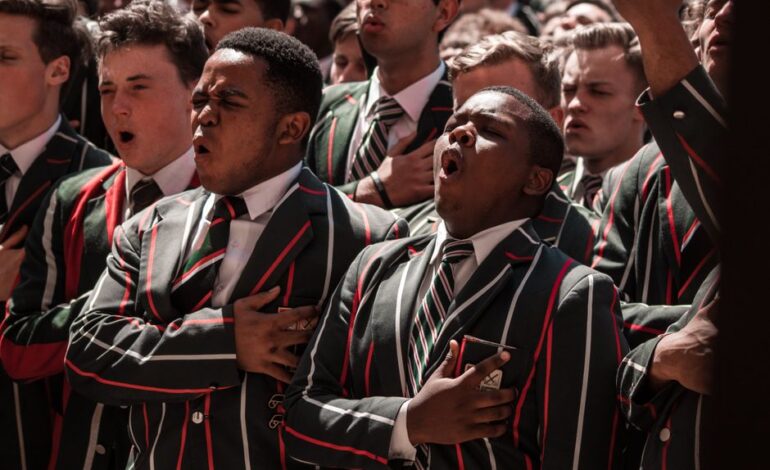
Historically, South Africa has been overwhelmingly religious. Christianity, in its various denominations (Zion Christian Church, Dutch Reformed Church, Catholicism, Anglicanism, Pentecostalism), dominates the landscape. However, the nation is also home to significant Muslim, Hindu, Jewish, and African Traditional Religion communities. Faith played a complex role during apartheid, both in supporting and resisting the regime, and later in the healing and reconciliation process.
For many, religion is not just a Sunday activity; it’s a foundational aspect of identity, community, and moral guidance. Churches, mosques, and temples often serve as vital social hubs, providing welfare, education, and social cohesion in areas where state services may be lacking.
Global Trends vs. Local Realities: The Drivers of Secularization
While South Africa’s religious roots run deep, several factors could contribute to a shift towards secularism, mirroring global patterns:
- Urbanization and Modern Lifestyles: As more South Africans move to cities, they are exposed to diverse perspectives, and the traditional community pressures to conform to religious practices may lessen. Urban life often brings a faster pace, with less time for traditional religious engagements.
- Education and Critical Thinking: Increased access to higher education and information (especially online) can lead individuals to question traditional doctrines, seek scientific explanations, or explore alternative spiritual paths.
- Disillusionment with Institutions: Reports of corruption, scandals, or perceived hypocrisy within religious leadership can erode trust and lead to disengagement, particularly among younger generations. The line between religious and political power has also blurred at times, leading to cynicism.
- Economic Pressures: In a country grappling with high unemployment and inequality, some may feel that religious institutions are not adequately addressing their material needs, or that divine intervention is not manifesting as promised.
- Youth Culture and Identity: Younger South Africans, exposed to global media and cultural trends, may find traditional religious structures less relevant or appealing to their evolving identities and values.
The Enduring Power of Faith: Counter-Arguments to Secularization
Despite the potential for a secular shift, several factors suggest that faith in South Africa remains remarkably resilient:

- Growth of Pentecostal/Charismatic Churches: While some traditional denominations might see declines, the vibrant and rapidly growing Pentecostal and Charismatic movements continue to attract large numbers, offering a dynamic and emotionally engaging form of worship.
- Social Cohesion and Support: Religious communities remain crucial safety nets, providing spiritual comfort, practical aid, and a sense of belonging in a society facing numerous challenges.
- Cultural Integration: For many, religion is deeply intertwined with cultural identity, family traditions, and rites of passage, making it difficult to fully separate from.
- Spiritual, Not Necessarily Institutional, Disaffiliation: Some individuals may disengage from formal religious institutions but maintain a strong personal spirituality or belief in a higher power, shifting towards more individualistic forms of faith rather than outright atheism.
- Hope and Resilience: In the face of adversity, faith often provides hope, meaning, and a framework for navigating life’s struggles, which remains highly valuable for many South Africans.
The 2026 Projection: What Does ‘Less Religious’ Truly Mean?
When we talk about South Africa becoming ‘less religious’ by 2026, it’s crucial to define what that might entail. It’s unlikely to mean a sudden surge in atheism or a complete abandonment of faith. Instead, it could manifest as:
- Decreased Institutional Affiliation: Fewer people formally identifying with a specific church, mosque, or temple.
- Lower Attendance Rates: Even if people identify as religious, they might attend services less frequently.
- More Individualized Spirituality: A move towards personal belief systems rather than adherence to strict dogma.
- Delayed Religious Commitment: Younger generations might postpone formal religious engagement until later in life, if at all.
- Increased Skepticism: A greater willingness to question religious authority and teachings.
Measuring religiosity is complex, encompassing belief, practice, and belonging. While global trends suggest a gradual decline in traditional religious adherence, the unique socio-economic and cultural landscape of South Africa means its journey towards secularism, if it happens, will be distinct and nuanced.
Conclusion: A Shifting Landscape, Not a Vanishing Faith
The idea that South Africa could be ‘less religious’ by 2026 is a compelling one, rooted in observable global trends and local socio-economic shifts. Factors like urbanization, education, and disillusionment with institutions are undoubtedly at play. However, the deep cultural integration of faith, the vibrant growth of certain religious movements, and the enduring role of religion in providing social support and hope suggest that outright secularization, akin to some Western nations, is not a foregone conclusion.
Instead, South Africa is likely to experience a more complex evolution of its religious landscape. We might see a diversification of spiritual practices, a greater emphasis on personal rather than institutional faith, and a continued debate about the role of religion in public life. By 2026, the nation may indeed be ‘less religious’ in traditional metrics, but the spirit of faith, in its myriad forms, will likely continue to thrive and adapt in the heart of the Rainbow Nation.
What are your thoughts? Do you believe South Africa is becoming less religious, or is faith simply evolving? Share your perspective in the comments below!