Atheism’s Echo: Responding to the Rise of Non-Belief in SA by 2026
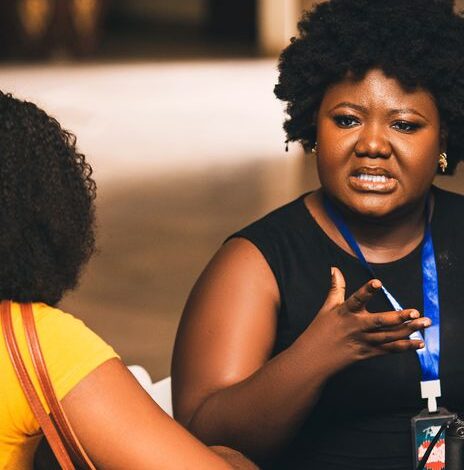
South Africa, a nation often characterized by its deep religious roots and vibrant faith communities, is experiencing a subtle yet significant shift. While accurate statistics can be elusive, anecdotal evidence and global trends suggest a growing cohort of individuals identifying as non-religious, atheist, agnostic, or simply spiritual but not religious. This “echo” of non-belief, projected to become more pronounced by 2026, presents both challenges and opportunities for the Rainbow Nation. How will society, religious institutions, and secular communities respond to this evolving spiritual landscape?

Understanding the Shift: What is “Non-Belief”?
It’s crucial to differentiate non-belief from anti-religious sentiment. Non-belief encompasses a spectrum:
- Atheism: A lack of belief in any god or gods.
- Agnosticism: The view that the existence of God, of the divine, or the supernatural is unknown or unknowable.
- Secular Humanism: A life stance that emphasizes reason, ethics, and justice, rejecting supernaturalism.
- Spiritual but not religious (SBNR): Individuals who seek spiritual growth and experiences outside of organized religion.
This growing demographic isn’t necessarily hostile; often, it represents a personal journey of inquiry and a search for meaning outside traditional frameworks.
Why the Rise? Unpacking the Drivers in South Africa
Several factors likely contribute to this emerging trend in SA:

- Increased Access to Information: The internet and global connectivity expose individuals to diverse philosophies, scientific advancements, and critiques of religion from around the world.
- Historical Disillusionment: The legacy of apartheid, often justified by certain religious factions, coupled with post-apartheid corruption and social inequalities, can lead to disillusionment with institutions, including religious ones.
- Education and Critical Thinking: A rise in educational attainment often correlates with increased critical inquiry into traditional beliefs.
- Scandals and Hypocrisy: High-profile scandals involving religious leaders or institutions can erode trust, especially among younger generations.
- Secularization as a Global Trend: Many developed and developing nations are witnessing a decline in traditional religious adherence, a trend SA may not be immune to.
- Youth Identity and Modernity: Younger South Africans, grappling with rapid social change and global influences, may find traditional religious frameworks less resonant with their lived experiences.
The “Echo”: Implications for South African Society
The rise of non-belief isn’t just a statistical shift; it has profound implications:
- Social Cohesion: How will a more diverse belief landscape impact national unity and shared values?
- Ethical Frameworks: In a society where religious morality has played a significant role, how will secular ethics contribute to public discourse on justice, human rights, and community responsibility?
- Political Landscape: Will non-religious voices gain more prominence in policy-making, advocating for secular governance and human rights for all citizens, regardless of belief?
- Community Initiatives: Religious organizations have historically been pillars of social welfare. Will new secular community models emerge to fill potential gaps or collaborate more effectively?
- Religious Institutions: This trend will force religious organizations to introspect, adapt, and potentially redefine their roles in a pluralistic society.
Responding to the Rise: Strategies for a Harmonious SA by 2026
By 2026, a proactive and nuanced response will be crucial for fostering a truly inclusive South Africa.
1. For Religious Institutions:
- Introspection and Adaptation: Evaluate current practices, engage with congregants’ questions, and address issues of trust and relevance.
- Service and Outreach: Continue to be pillars of community service, focusing on practical needs rather than solely proselytization.
- Dialogue and Understanding: Foster open conversations with non-believers, seeking common ground on ethics and community welfare.
- Embrace Pluralism: Recognize and respect the validity of diverse worldviews within the nation.
2. For Secular Organizations & Non-Believers:
- Community Building: Create spaces for non-believers to connect, share experiences, and contribute positively to society.
- Advocacy for Inclusivity: Champion human rights, freedom of conscience, and the separation of church and state, ensuring non-believers are represented and protected.
- Ethical Leadership: Articulate and demonstrate a positive, humanistic ethical framework that contributes to public good.
- Constructive Engagement: Avoid antagonism; seek opportunities for inter-worldview dialogue and collaboration on shared societal goals.
3. For Government and Society at Large:
- Protect Freedom of Conscience: Uphold constitutional rights to freedom of religion and freedom from religion.
- Promote Inclusivity: Ensure public spaces, policies, and national narratives are inclusive of all South Africans, regardless of their belief system.
- Facilitate Dialogue: Support platforms for inter-worldview dialogue and understanding to bridge divides and build mutual respect.
- Focus on Shared Values: Emphasize universal human values like compassion, justice, equality, and dignity as foundations for national unity.
Challenges and Opportunities
The path ahead isn’t without its challenges. Misunderstanding, prejudice, and even hostility can arise from differing worldviews. However, there are significant opportunities:
- Re-evaluation of Purpose: Both religious and secular communities can re-evaluate their core missions and how they contribute to a better South Africa.
- New Forms of Community: The rise of non-belief can inspire innovative community models centered on shared values and social action, rather than dogma.
- Strengthened Human Rights: A more robust defense of freedom of conscience benefits all citizens, ensuring a truly pluralistic and democratic society.
Conclusion: Towards a Nuanced and Respectful Future
Atheism’s echo in South Africa by 2026 is not a threat to be feared, but a demographic reality to be understood and engaged with constructively. It calls for introspection, dialogue, and a renewed commitment to the constitutional values of equality, dignity, and freedom for all. By embracing this evolving landscape with openness and respect, South Africa can continue to build a harmonious society where diverse beliefs—or lack thereof—can coexist and contribute to the nation’s progress.