The Rise of Non-Belief: How Atheism is Reshaping South Africa by 2026
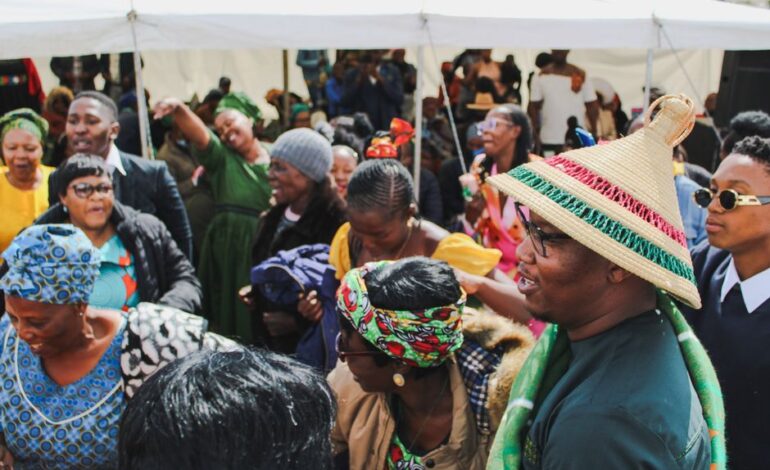
South Africa, a nation often described as a ‘rainbow nation’ not just for its diverse cultures but also its deeply ingrained spirituality, is quietly undergoing a profound transformation. While faith has historically been a cornerstone of its identity, recent trends suggest a significant shift: the rise of non-belief. By 2026, and certainly beyond, atheism and secularism are poised to reshape the socio-political and cultural fabric of the country in ways few anticipated.
The Shifting Sands of Faith in South Africa
For centuries, religion has played a pivotal role in South African life, from the spiritual practices of indigenous communities to the influence of Christianity, Islam, Hinduism, and Judaism brought by various settlers and immigrants. Churches, mosques, and temples have served not just as places of worship but as community hubs, moral compasses, and even centers of resistance during apartheid. The 2001 census reported over 80% of South Africans identifying as Christian, with other faiths making up a significant portion, leaving a relatively small percentage identifying as having no religion.
However, recent data and anecdotal evidence point to a growing number of South Africans, particularly among the youth, quietly stepping away from organized religion. While official statistics on non-belief can be challenging to capture accurately due to social stigma and varying definitions, surveys and academic studies are beginning to reflect this demographic shift. The internet and increased global interconnectedness have exposed many to alternative worldviews, scientific explanations, and philosophical arguments that challenge traditional dogma.
Why the Disconnect? Drivers of Non-Belief
Several factors are contributing to the quiet exodus from faith in South Africa:
1. Education and Critical Thinking
As access to quality education improves and scientific literacy grows, more individuals are engaging in critical inquiry. The scientific method and evidence-based reasoning often stand in contrast to faith-based explanations for the universe and human existence, leading some to question religious doctrines.
2. Social Justice and Disillusionment
While religion played a role in the anti-apartheid movement, many religious institutions have struggled to maintain moral authority in the post-apartheid era. Scandals involving religious leaders, perceived hypocrisy, and the failure of some religious bodies to adequately address pressing social issues like corruption, inequality, gender-based violence, and LGBTQ+ rights have led to disillusionment, especially among younger generations seeking genuine social change and inclusivity.
3. The Digital Age and Globalization
The internet has become a powerful tool for secular thought. Online forums, communities, and educational resources provide platforms for non-believers to connect, share experiences, and access arguments for atheism and humanism. This global exchange of ideas breaks down geographical and cultural barriers, normalizing non-belief and offering alternatives to traditionally dominant religious narratives.
4. Youth Culture and Identity
Young South Africans are increasingly forming their identities outside of traditional religious frameworks. They are often more open to diverse viewpoints, less bound by ancestral traditions, and more inclined to forge their own path, including their spiritual or non-spiritual beliefs. This search for authenticity and personal meaning often leads away from established religious institutions.
Reshaping Society: The Impact of Growing Atheism by 2026
The growing presence of non-believers in South Africa is not just a statistical anomaly; it has tangible implications for the country’s future:
1. Politics and Policy
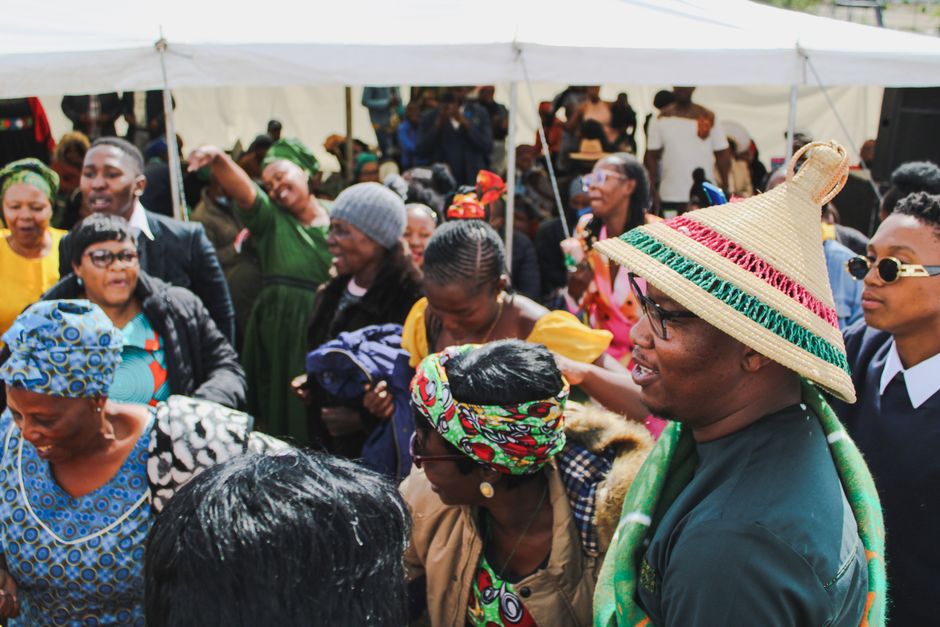
As the non-religious population grows, there will likely be increased advocacy for secular governance. This could manifest in debates over religious holidays, the role of religion in public education, and the separation of church and state. Political discourse may shift to focus more on evidence-based policy rather than religiously informed morality, potentially leading to more progressive social policies.
2. Social Norms and Values
Non-believers often emphasize humanism, rationality, empathy, and social responsibility as foundations for morality, rather than divine commandments. This could contribute to a broader societal re-evaluation of ethical frameworks, fostering a more inclusive and less judgmental approach to issues like sexuality, gender, and personal freedoms.
3. Culture and Arts
A burgeoning non-religious demographic will likely inspire new forms of cultural expression. Art, literature, music, and philosophy may increasingly explore secular themes, existential questions without supernatural answers, and humanist perspectives on the human condition, adding new layers to South Africa’s rich cultural tapestry.
4. Community Building
While religious institutions have traditionally provided community, non-believers are actively building their own secular communities, humanist associations, and critical thinking groups. These communities offer support, social connection, and platforms for activism, proving that community can thrive without a shared religious creed.
Looking Ahead to 2026 and Beyond
By 2026, the presence of non-belief will be an undeniable, if still sometimes understated, force in South Africa. While religious belief will certainly remain dominant for the foreseeable future, the secular movement will have gained more visibility and voice. This rise presents both challenges and opportunities.
Challenges include overcoming lingering social stigma, potential clashes with deeply religious segments of society, and ensuring that the rights of non-believers are respected. Opportunities lie in fostering a more diverse, inclusive, and rationally driven society, one that values critical thought, compassion, and human agency in shaping its own destiny.
South Africa’s journey towards 2026 is one of continued evolution. The rise of non-belief is not an erosion of identity but rather a complex, organic development that reflects a nation in constant dialogue with its past, present, and future. It signifies a maturation of society, where individual freedom of thought and belief (or non-belief) is increasingly valued.
Conclusion
The quiet surge of atheism and secularism in South Africa is more than just a demographic shift; it’s a cultural and philosophical awakening. By 2026, its influence will be increasingly felt across all sectors of society, challenging traditional norms and paving the way for a more diverse and intellectually vibrant nation. As South Africans continue to grapple with their identity and future, the voices of non-believers will undoubtedly play a crucial role in shaping the evolving narrative of the Rainbow Nation.
What are your thoughts on the rise of non-belief in South Africa? Share your perspective in the comments below!