South Africa’s Shifting Faith: What the 2026 Religious Landscape Reveals
South Africa, often celebrated as the ‘Rainbow Nation’ for its vibrant cultural and ethnic tapestry, is also a deeply spiritual country. Religion has historically played a pivotal role in shaping its social fabric, political landscape, and individual identities. As we look towards 2026, current trends suggest a fascinating and complex evolution in the nation’s religious landscape.
This blog post delves into the anticipated shifts, exploring how traditional faiths are adapting, new spiritual expressions are emerging, and what these changes might mean for the future of South Africa.
A Glimpse into South Africa’s Religious Roots
To understand where South Africa’s faith is headed, it’s crucial to acknowledge its rich past. Indigenous spiritual practices, deeply intertwined with ancestral veneration and nature, formed the bedrock. The arrival of European settlers brought Christianity, which, despite its colonial associations, became a dominant force, often used to justify segregation during apartheid, but also serving as a powerful platform for resistance.
Islam, Hinduism, and Judaism also established significant communities, contributing to a diverse spiritual ecosystem. Post-apartheid, the constitutional guarantee of religious freedom allowed for an even greater flourishing of diverse beliefs and practices.
Key Trends Reshaping the 2026 Landscape
While precise predictions are challenging, several observable trends provide a strong indication of what South Africa’s religious topography might look like in 2026:
1. The Shifting Tides of Traditional Christianity
Mainline Protestant denominations and the Catholic Church, while still significant, are experiencing a slow but steady decline in membership, particularly among younger generations. Factors contributing to this include a perceived lack of relevance, rigid doctrines, and historical associations that some youth find unappealing.
2. The Meteoric Rise of Independent and Pentecostal/Charismatic Churches
In stark contrast, independent churches, often characterized by vibrant worship, a focus on prosperity gospel, direct spiritual experience, and strong community bonds, continue to boom. These churches resonate deeply with many South Africans, offering hope, practical support, and a sense of belonging in a rapidly changing world. Their agile structures allow them to adapt quickly to contemporary challenges.
3. A Growing ‘Nones’ Segment: The Rise of the Non-Religious
While still a minority, there’s a noticeable increase in the number of South Africans identifying as atheist, agnostic, or simply having ‘no religion.’ This demographic is often younger, urban, and more educated, reflecting global trends. Access to information, critical thinking, and disillusionment with religious institutions are contributing factors.
4. The Enduring Power of African Traditional Religions (ATR)
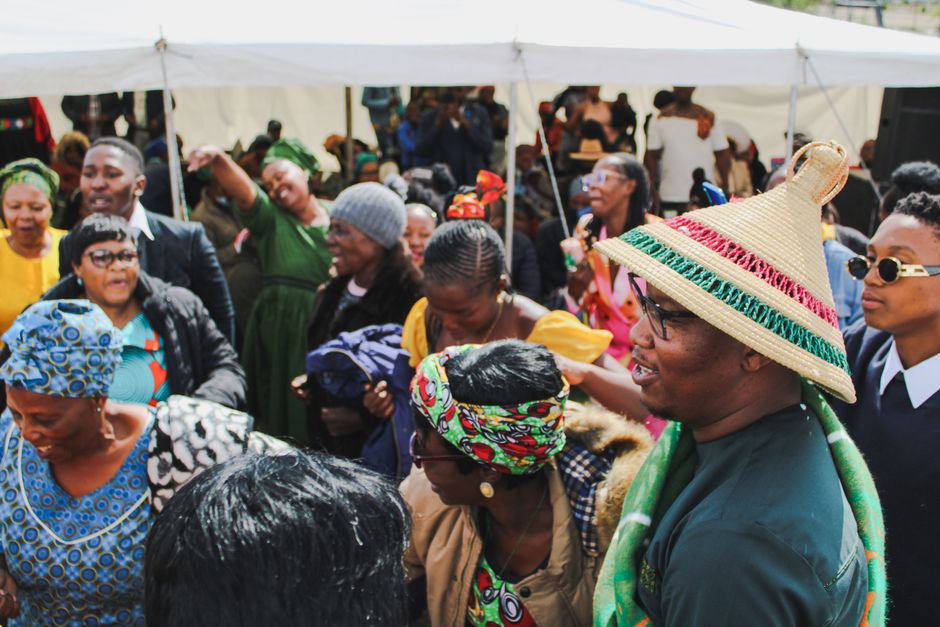
ATR, often practiced alongside or integrated into other faiths (syncretism), remains a powerful spiritual force. There’s a growing embrace of cultural identity, leading to a resurgence of interest in ancestral veneration, traditional healing, and indigenous spiritual practices. This often manifests as a complementary rather than exclusive belief system.
5. Stable Diversity: Islam, Hinduism, and Judaism
Minority religions like Islam, Hinduism, and Judaism are expected to maintain their stable communities. Their strong internal structures, cultural ties, and dedicated followers ensure their continued presence and contribution to the nation’s spiritual mosaic.
Implications for South African Society
These shifts are not merely statistical; they carry profound implications for various aspects of South African life:
- Social Cohesion: A more diverse religious landscape could lead to new forms of community building, but also potential for friction if interfaith dialogue isn’t prioritized.
- Political Influence: Historically, religious bodies have wielded significant political influence. Shifts in adherence could alter the dynamics of advocacy and moral leadership in public discourse.
- Cultural Identity: The interplay between traditional beliefs, global religions, and secularism will continue to redefine what it means to be spiritually South African.
- Youth Engagement: Understanding the spiritual needs and skepticism of the youth will be crucial for all religious and non-religious organizations aiming for future relevance.
Challenges and Opportunities
The evolving landscape presents both challenges and opportunities. Traditional institutions face the challenge of modernizing and reconnecting with younger generations, while the rapid growth of some independent churches raises questions about accountability and ethical leadership.
However, there are immense opportunities for interfaith collaboration on social issues, for fostering deeper spiritual introspection, and for developing new models of community support that cater to a broader spectrum of beliefs and non-beliefs.
Conclusion: A Dynamic Spiritual Future
South Africa’s religious landscape in 2026 is poised to be more pluralistic, less institutionally monolithic, and increasingly reflective of individual spiritual quests. While Christianity will likely remain the dominant faith, its internal composition will continue to diversify, with independent churches gaining further ground.
The growing presence of the non-religious and the enduring strength of African Traditional Religions will ensure a vibrant, sometimes challenging, but always fascinating journey of faith for the Rainbow Nation. Understanding these shifts is key to navigating South Africa’s future with insight and compassion.
What are your thoughts on South Africa’s changing spiritual scene? Share your insights in the comments below!