Exposing Biblical Plagiarism: Ancient Myths in Scripture
For centuries, the prevailing narrative surrounding the Bible has been one of pristine, isolated divine revelation. Believers and theologians often presented the scriptures as a completely original body of work, dropped into human history without precedent. However, modern historical-critical scholarship, archaeology, and comparative mythology have revealed a much more complex—and fascinating—reality: the biblical text is deeply in conversation, and sometimes in direct borrowing, with the older civilizations of the Ancient Near East.
The Ancient Near East: A Shared Cultural Matrix
To understand biblical plagiarism, or what scholars more accurately call literary borrowing and motif adaptation, we must step back into the ancient world. The Levant—the region encompassing modern-day Israel, Palestine, Jordan, and Lebanon—was a cultural crossroads. Empires like the Egyptians, Babylonians, Assyrians, and Hittites dominated the political and cultural landscape long before the Kingdom of Israel ever rose to prominence.
In this environment, stories, myths, legal codes, and religious rituals were not closely guarded intellectual property; they were shared currency. Just as modern cultures borrow cinematic tropes, musical hooks, and literary structures, ancient scribes adapted neighboring mythologies to articulate their own theological worldviews.
1. The Genesis Creation and Flood Accounts: Echoes of Mesopotamia
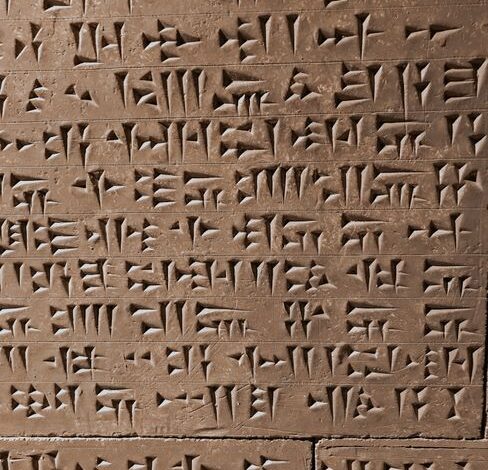
One of the most striking examples of biblical borrowing appears in the opening chapters of Genesis. Long before Hebrew scribes penned the stories of creation and the great flood, Mesopotamian cultures had already recorded strikingly similar epics on clay tablets.
The Enuma Elish and Genesis 1
The Babylonian creation myth, the Enuma Elish, describes how the god Marduk defeats the chaos monster Tiamat (representing the primordial ocean, known in Hebrew as Tehom) and creates the cosmos from her carcass. While Genesis 1 presents a radical monotheistic polemic—where God speaks the universe into existence effortlessly rather than fighting a violent cosmic battle—the linguistic and structural parallels are undeniable. The division of the waters, the establishment of the firmament, and the cosmic geography reflect a shared ancient cosmology.
The Epic of Gilgamesh and Noah’s Flood
Perhaps the most famous parallel is the Noah’s Ark narrative. The Epic of Gilgamesh (and the earlier Atrahasis Epic) features a righteous man named Utnapishtim who is warned by a god about an impending global flood, builds a massive boat, gathers animals of all kinds, and sends out birds to test if the waters have receded. The similarities in plot, ship design, and even the resting place of the vessel are too close to be coincidental. Rather than viewing this as mere ‘plagiarism,’ historians view it as Hebrew authors rewriting an older, popular cultural myth to fit Yahwistic theology—attributing the flood not to the petty whims of capricious gods, but to human moral failure and divine justice.
2. The Code of Hammurabi and Biblical Law
The legal codes found in Exodus, Leviticus, and Deuteronomy also bear the heavy fingerprints of earlier Mesopotamian legislation. The most prominent of these is the Code of Hammurabi (dating to roughly 1750 BCE) and the earlier laws of Eshnunna and Ur-Nammu.

The famous biblical principle of lex talionis—”eye for an eye, tooth for a tooth” (Exodus 21:24)—is nearly identical to laws found in Hammurabi’s code. While biblical law introduces unique theological elements, such as tying civil infractions directly to covenantal obligations with Yahweh, the structural similarities prove that ancient Israelite lawgivers were operating within the established legal traditions of the broader Near Eastern world.
3. Canaanite Roots: Psalms, Wisdom Literature, and Baal
Closer to home, the Israelites shared deep linguistic and cultural ties with their Canaanite neighbors. Archaeological discoveries at Ugarit (modern Ras Shamra in Syria) in 1928 unearthed thousands of clay tablets containing Canaanite poetry and mythology concerning the storm god Baal and the high god El.
Scholars have discovered that several biblical psalms—most notably Psalm 29—were originally Canaanite hymns. Psalm 29 describes Yahweh’s voice shaking the wilderness, breaking the cedars of Lebanon, and riding upon the storm clouds. In the Ugaritic texts, these exact descriptions and epithets were originally applied directly to Baal. Hebrew poets essentially took existing hymns dedicated to a Canaanite deity and substituted the name of Yahweh, using familiar cultural forms to assert that Yahweh, not Baal, was the true master of the elements.
4. Proverbs and Egyptian Wisdom
The wisdom literature of the Hebrew Bible likewise shows signs of cross-cultural borrowing. The biblical book of Proverbs 22:17–24:22 bears an astonishing literary and structural dependence on the Egyptian Instruction of Amenemope, an ancient wisdom text dating back to around 1200 BCE. The ordering of the sayings, the warnings against greed and exploitation of the vulnerable, and the stylistic phrasing suggest that Israelite scribes were directly reading, translating, and adapting Egyptian educational curricula.
Why Did Biblical Authors Borrow?
Labeling these literary connections as “plagiarism” applies a modern Western concept of intellectual property to an ancient culture that did not practice it. In the Ancient Near East, borrowing stories was an act of cultural engagement, polemic, and theological reframing.
- Polemical Subversion: By taking popular myths (like the Enuma Elish or Baal hymns) and rewriting them, biblical authors subverted rival empires’ ideologies. They declared that their God was supreme over the gods of Babylon, Egypt, and Canaan.
- Shared Heritage: These narratives formed a common cultural language. To communicate effectively, authors used tropes and stories their audience already knew and loved.
Conclusion: Embracing the Human Dimension of Scripture
Exposing biblical plagiarism—or more accurately, understanding the text’s rich intertextual roots—does not have to destroy faith or historical appreciation. Instead, it invites us to see the Bible for what it truly is: a deeply human, historically embedded library of texts written by real people responding to the theological, political, and cultural crises of their world. By recognizing the ancient myths woven into scripture, we gain a much richer, more vibrant understanding of how the Bible was actually formed.