Blasphemy Laws & Intellectual Freedom in Muslim Societies
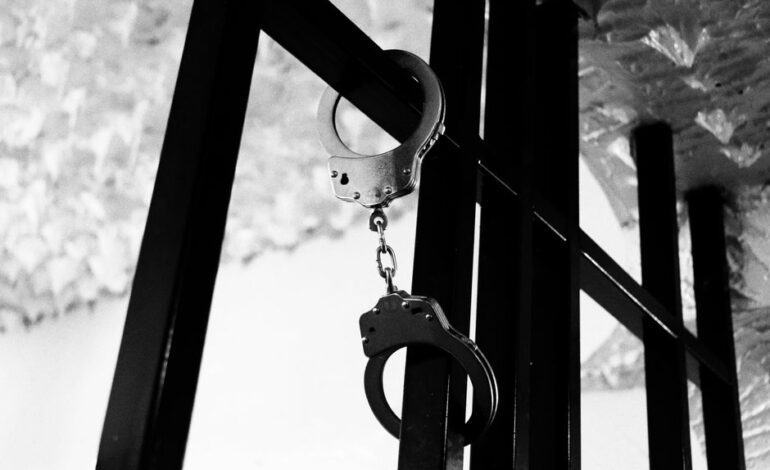
Intellectual freedom—the right to hold beliefs, question established norms, engage in critical inquiry, and share ideas without fear of government or societal reprisal—is the bedrock of human progress. Yet, in many parts of the contemporary Muslim world, this fundamental freedom faces a formidable barrier: blasphemy laws. Originally framed as measures to protect religious sanctity and maintain social harmony, these laws have frequently evolved into powerful tools for silencing dissent, stifling scientific inquiry, and suppressing marginalized voices.
The Historical Context vs. Modern Reality
To understand the current crisis of intellectual freedom, it is essential to distinguish between classical jurisprudence (Fiqh) and modern statutory law. In early Islamic history, debates surrounding theology, philosophy (Falsafa), and scientific inquiry were often robust. Scholars like Ibn Sina (Avicenna), Al-Razi (Rhazes), and Ibn Rushd (Averroes) pushed the boundaries of human knowledge, often challenging orthodox views.
However, the codification of penal codes—particularly during the colonial era and subsequent post-colonial nationalist movements—transformed nuanced religious concepts into rigid, draconian state laws. Today, nations ranging from Pakistan and Iran to Saudi Arabia and Egypt enforce blasphemy, apostasy, and “cyber-heresy” laws that carry severe penalties, including lengthy imprisonment and capital punishment.
How Blasphemy Laws Choke Intellectual Freedom
The chilling effect of these laws extends far beyond those directly prosecuted. When expressing an unorthodox historical critique, publishing a sociological study on religion, or writing secular poetry can result in a death sentence, the entire society retreats into self-censorship. Here is how intellectual suppression manifests:

- The Stifling of Academic Research: Historians and anthropologists studying the evolution of religious texts or minority sects face immense professional and personal peril, leading to white-washed or heavily censored academic curricula.
- Targeting Journalists and Bloggers: Independent media outlets and digital creators are frequently slapped with blasphemy charges to shut down investigative reporting on corruption or human rights abuses tied to religious establishments.
- Targeting Religious and Ethnic Minorities: Blasphemy accusations are disproportionately weaponized against religious minorities (such as Ahmadiyyas, Shiites, Christians, and Hindus) or secularists, effectively rendering their existence in the public sphere illegal.
- Exile and Brain Drain: Many of the region’s brightest minds—philosophers, scientists, writers, and artists—have been forced into exile, depriving their home societies of critical thought and innovation.
The Digital Age: New Battlegrounds for Free Expression
The advent of social media has democratized information, but it has also provided authoritarian regimes and extremist mobs with new avenues to police thought. Governments across the Middle East and South Asia routinely monitor online spaces under the guise of “combating cyber-terrorism” or “protecting public morals.” A single Facebook post questioning religious dogmas can trigger online hate campaigns, doxxing, and rapid state prosecution before the accused even has access to legal counsel.
Voices for Reform: Internal Resistance
Despite the high stakes, hope remains alive through the courage of internal reformers, human rights lawyers, and dissident intellectuals within Muslim-majority societies. Prominent thinkers argue that true faith does not require state coercion to defend it, and that Islam’s rich intellectual heritage can only be revitalized by embracing critical thinking, pluralism, and freedom of conscience.
International human rights organizations continue to pressure governments to repeal or fundamentally reform blasphemy statutes, pointing out that these laws violate international treaties guaranteeing freedom of expression and belief.
Conclusion: The Path Forward
The suppression of intellectual freedom through blasphemy laws is not just a localized issue—it is a global concern that impacts scientific advancement, human rights, and cross-cultural dialogue. For Muslim societies to foster environments of innovation and genuine spiritual depth, the shackles of intellectual censorship must be removed. Protecting the right to question, debate, and differ is not an assault on faith, but the ultimate safeguard of human dignity.