Building Community Without God: The Rise of Atheist and Humanist Groups in South Africa

In a nation celebrated for its vibrant diversity and rich tapestry of cultures, South Africa has long been characterized by a strong religious presence. Yet, beneath the surface of traditional faiths, a quiet but powerful movement is gaining momentum: the rise of atheist and humanist groups dedicated to building meaningful communities without the framework of divine belief. This shift reflects a global trend towards secularization, but in South Africa, it carries unique implications for social cohesion, ethics, and the very definition of community.
Beyond Belief: Defining Atheism and Humanism in a South African Context
Before delving into the community aspect, it’s crucial to understand the terms at play. Atheism, at its core, is simply a lack of belief in any gods. It doesn’t prescribe a moral code or a worldview, but rather a position on a single question. Humanism, on the other hand, is a comprehensive ethical worldview that affirms our ability and responsibility to lead ethical lives of personal fulfillment that aspire to the greater good of humanity. Humanists often find common ground in reason, compassion, and a commitment to evidence-based understanding, without recourse to supernatural explanations.
In South Africa, both atheists and humanists are increasingly finding their voices, moving beyond individual conviction to collective action, challenging the perception that morality and community are solely the domain of religious institutions.
The Growing Landscape: Why Now in South Africa?
Several factors contribute to the burgeoning growth of non-religious communities across the nation:
- Increased Access to Information: The internet and global connectivity expose individuals to diverse perspectives, including secular philosophies, challenging traditional narratives.
- Disillusionment with Traditional Institutions: For some, disillusionment with religious institutions due to scandals, perceived hypocrisy, or a disconnect with modern values fuels a search for alternative ethical frameworks.
- Desire for Inclusive Community: Many seek communities that prioritize shared values like reason, empathy, and social justice over specific dogmas, welcoming people from all backgrounds and identities.
- Post-Apartheid Identity: In a post-apartheid South Africa, there’s a continued re-evaluation of identity and belonging, where individuals are increasingly free to define themselves outside of historically imposed religious or ethnic categories.
- Global Secularization Trends: South Africa is not immune to global trends where a growing number of people identify as “nones” (no religious affiliation).
What Do Atheist and Humanist Groups Do? Building Bonds Beyond Belief
These groups are far from simply being anti-religious; they are actively building positive, supportive, and engaging communities. Their activities often mirror those of religious groups, but with a secular focus:
- Social Gatherings: Regular meetups, dinners, hikes, and cultural events provide spaces for like-minded individuals to connect, share experiences, and build friendships.
- Intellectual Discourse: Discussions, lectures, and book clubs explore topics ranging from science and philosophy to ethics and current affairs, fostering critical thinking and intellectual growth.
- Community Service and Activism: Many groups engage in charity work, environmental initiatives, and advocacy for human rights, secular education, and evidence-based policy.
- Support Networks: Providing a safe space for individuals who have left religious backgrounds or who feel isolated in their non-belief, offering emotional support and understanding.
- Ethical Development: Exploring secular ethics, moral philosophy, and how to live a meaningful, compassionate life without supernatural guidance.
Organizations like the Humanist Society of South Africa (HSSA) and various local atheist and secular meetup groups are at the forefront of this movement, creating vital spaces for connection and purpose.
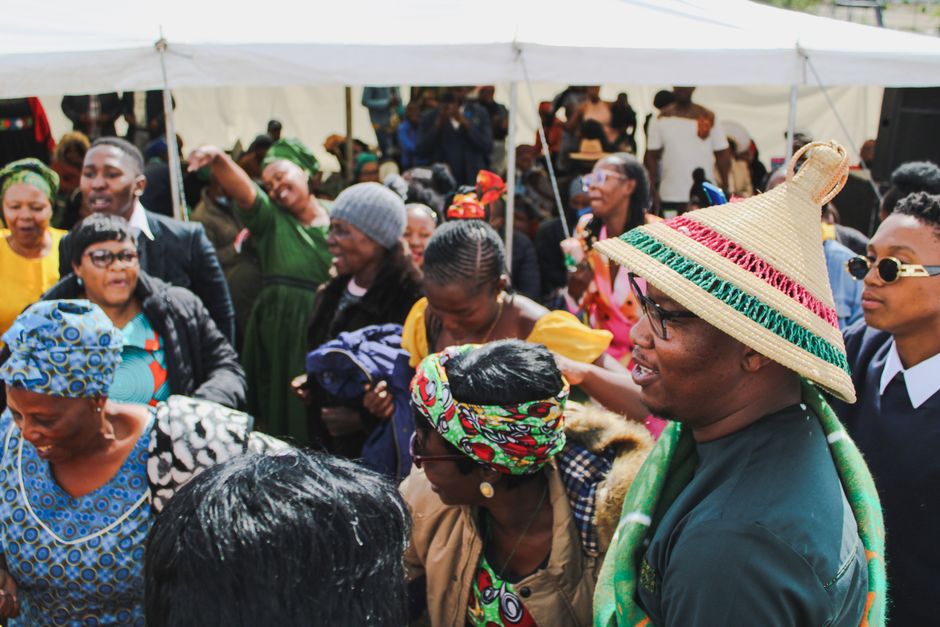
The Importance of Community: A Universal Human Need
The desire for community is a fundamental human need, irrespective of one’s spiritual or philosophical leanings. Humans are social creatures, and belonging to a group provides:
- Support and Solidarity: A network for emotional, practical, and intellectual support.
- Shared Purpose: The opportunity to work towards common goals and contribute to something larger than oneself.
- Identity and Belonging: A sense of being understood and accepted for who you are.
- Intellectual Stimulation: Exposure to diverse ideas and perspectives that foster personal growth.
Atheist and humanist groups demonstrate that these needs can be met and thriving communities built on shared human values, reason, and empathy, rather than shared religious doctrine.
Challenges and Overcoming Misconceptions
Despite their growth, these groups face challenges in a predominantly religious society:
- Stigma and Misunderstanding: Atheism is often equated with immorality, nihilism, or devil worship, leading to social ostracization.
- Lack of Visibility: Non-religious communities are often less visible than religious ones, making it harder for individuals to find them.
- Resources: Unlike established religious institutions, secular groups often operate with limited funding and volunteer efforts.
However, through advocacy, public education, and simply existing as positive examples, these groups are slowly chipping away at misconceptions, demonstrating that one can be good without God, and that a rich community life is possible outside of religion.
The Future of Non-Religious Community in South Africa
The trajectory for atheist and humanist groups in South Africa appears to be one of continued growth and increasing influence. As society becomes more diverse and interconnected, the demand for inclusive, reason-based communities is likely to expand. These groups are not just offering an alternative; they are enriching South Africa’s social fabric by fostering critical thinking, compassion, and a commitment to human flourishing for all.
Join the Conversation
Are you part of an atheist or humanist community in South Africa? What has your experience been like? Share your thoughts in the comments below!