The End of Moral Absolutes: Adapting Ethics in a Changing World
Are moral absolutes disappearing? Explore how globalization, technology, and science are reshaping ethics and why adaptive morality matters in a changing world.

Are moral absolutes disappearing? Explore how globalization, technology, and science are reshaping ethics and why adaptive morality matters in a changing world.

Explore how governance is evolving from divine rule to human reason in 2026, and what data-driven, participatory systems we need for a resilient future.

How can faith thrive in the digital age? Discover how to balance technology and spiritual growth amid distraction, instant gratification, and the loss of tangible community.

How do you build a secular moral compass? Explore a framework rooted in reason, empathy, and human well-being for ethical living without religious dogma.

Why do ancient religious texts fall short as guides for today? Explore the gap between static scriptures and modern ethics, from slavery to bioethics.

Explore whether religion remains relevant for mental well-being in 2026 and beyond. Examine community, purpose, coping mechanisms, and the role of secular alternatives.

Discover how to find purpose and meaning through a secular, humanistic lens. Learn the psychology and neuroscience behind a meaningful life without religion.
Explore why modern ethics thrive without ancient religions. Discover how reason, empathy, and human rights provide a robust moral framework independent of dogma.

Explore whether faith is obsolete in 2026. Discover how belief evolves, adapting to modern challenges while offering meaning, resilience, and connection.
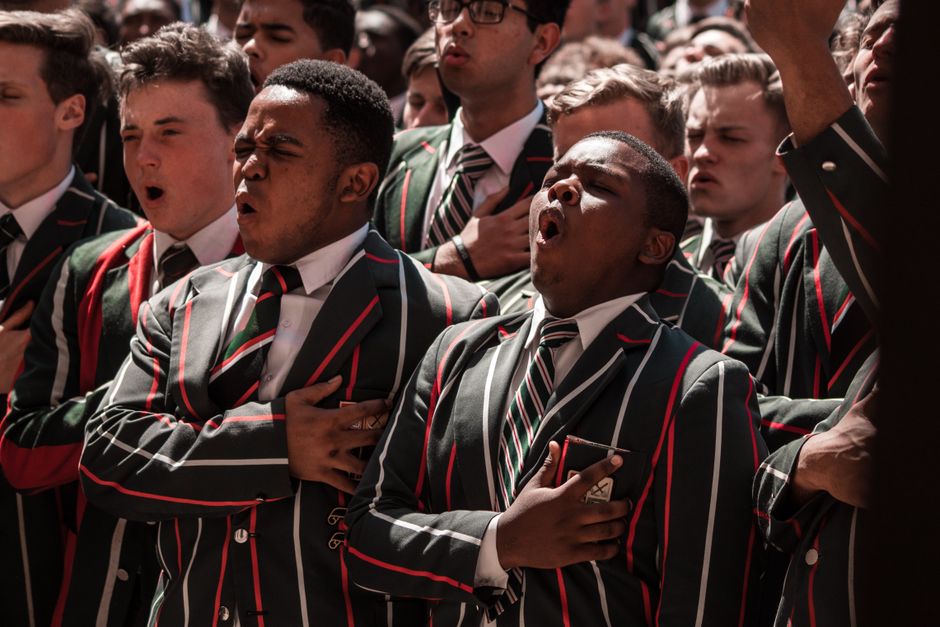
The Unbelievers’ Voice: Atheism’s Growing Political & Social Clout in SA by 2026 South Africa, a nation celebrated for its vibrant diversity and constitutional commitment to equality, has long been characterized by a strong religious identity. However, beneath the surface of traditional faith,