The Unbelievers’ Voice: Atheism’s Growing Political & Social Clout in SA by 2026

The Unbelievers’ Voice: Atheism’s Growing Political & Social Clout in SA by 2026
South Africa, a nation celebrated for its vibrant diversity and constitutional commitment to equality, has long been characterized by a strong religious identity. However, beneath the surface of traditional faith, a quieter yet increasingly vocal demographic is emerging: the non-religious. As we approach 2026, the influence of atheism and secular humanism in South Africa is poised for significant growth, shifting from individual conviction to a collective force with growing political and social clout.
The Shifting Landscape of Belief in South Africa
Historically, South Africa’s moral and social fabric has been deeply intertwined with Christian, Muslim, Hindu, and African traditional beliefs. Religious institutions have played pivotal roles in social cohesion, education, and even political resistance. Yet, global trends of secularization are not bypassing the Rainbow Nation. Younger generations, increased access to information, and a critical examination of traditional dogmas are contributing to a gradual but perceptible decline in absolute religiosity.
Demographic Trends and Declining Religiosity
While precise, up-to-date figures on non-religious populations in South Africa can be challenging to pin down, anecdotal evidence and broader global patterns suggest a rise in those identifying as ‘nones’ – individuals with no religious affiliation. Factors such as urbanization, higher education levels, and exposure to diverse viewpoints often correlate with a move away from organized religion. By 2026, these demographic shifts are expected to make the non-religious a more statistically significant and observable group, demanding recognition.
From Personal Conviction to Public Platform: Atheism’s Political Ascent
For many years, atheists in South Africa operated largely as individuals or in small, often informal, groups. However, the landscape is changing. Organized secular humanist and atheist associations are gaining traction, providing platforms for advocacy, community building, and public discourse. These groups are increasingly articulating a unified voice, pushing for specific policy changes and greater representation.
Advocacy for Secularism and Human Rights
A core tenet of atheist and humanist advocacy is the promotion of a truly secular state. While South Africa’s constitution enshrines religious freedom and non-discrimination, the practical implementation often leans towards a de facto preference for religious institutions. Atheist groups are advocating for:
- Strict Separation of Church and State: Challenging religious instruction in public schools, advocating for science-based curricula, and questioning public funding for religious activities.
- Equality and Non-Discrimination: Ensuring that non-religious individuals have equal standing in public life, free from discrimination in employment, public office, or social services.
- Human Rights: Championing broader human rights issues from a secular ethical framework, often aligning with causes like LGBTQ+ rights, women’s reproductive rights, and evidence-based policy-making.
Challenging Religious Privilege
A significant part of the growing political clout stems from challenging what is perceived as religious privilege. This includes scrutinizing tax exemptions for religious organizations, the role of religious leaders in public ceremonies, and the influence of religious lobbies on legislation. By 2026, we can expect more concerted efforts to reform policies that are seen to grant undue advantage to religious institutions at the expense of a truly inclusive, secular public sphere.
Social Impact and Cultural Influence
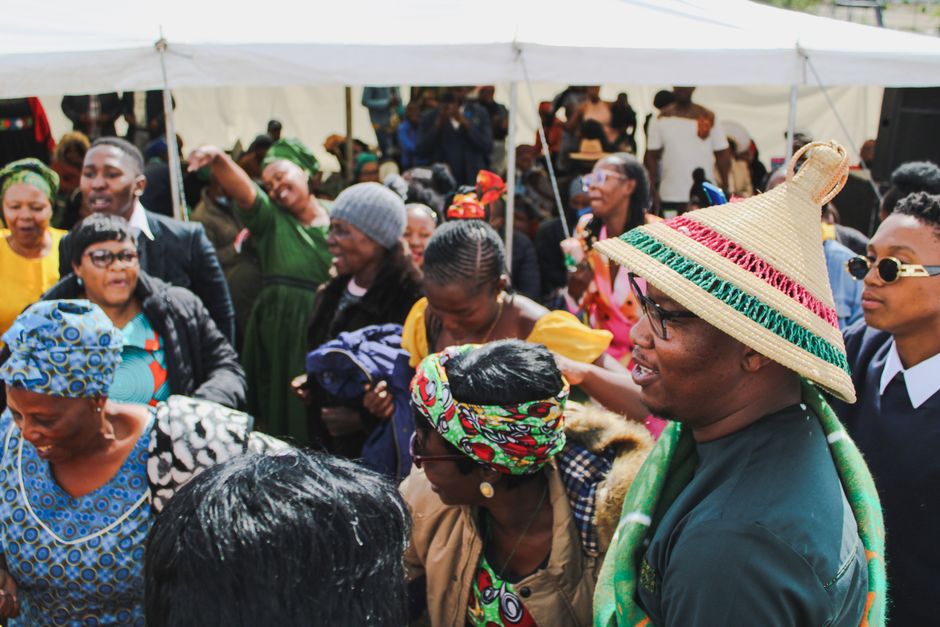
Beyond the political arena, atheism’s growing presence is also shaping South Africa’s social and cultural landscape. The ‘unbelievers’ are becoming more visible, contributing to a richer and more diverse public discourse.
Community Building and Support Networks
Online forums, social media groups, and local meet-ups are creating robust communities for non-religious South Africans. These networks provide spaces for individuals to share experiences, discuss philosophical ideas, and find solidarity, especially for those who may feel isolated in predominantly religious communities. These communities are vital for fostering a collective identity and amplifying their collective voice.
Media Representation and Public Discourse
As atheists become more organized and vocal, their representation in mainstream media is slowly improving. From op-eds in national newspapers to interviews on radio and television, non-religious perspectives are increasingly entering the public consciousness. This increased visibility helps to normalize atheism, dispel stereotypes, and foster a more nuanced understanding of secular viewpoints.
Potential Challenges and Roadblocks
Despite the growing momentum, the atheist movement in South Africa faces significant challenges. Strong opposition from well-established religious groups, deeply ingrained societal norms, and persistent misconceptions about atheism (e.g., equating it with immorality or Satanism) remain formidable hurdles. Internal divisions within the secular community, such as varying approaches to activism, could also pose challenges.
Looking Ahead: The Atheist Voice by 2026
By 2026, the “unbelievers’ voice” in South Africa is expected to be louder, more organized, and more influential than ever before. While it’s unlikely that atheism will become the dominant worldview, its role as a significant political and social force advocating for secularism, human rights, and evidence-based governance will be undeniable. The dialogue around belief and non-belief will become more balanced, challenging the traditional religious monopoly on public morality and ethics.
Conclusion
South Africa’s journey towards a truly inclusive and equitable society involves recognizing and valuing all its citizens, regardless of their belief systems. The growing political and social clout of atheism by 2026 signifies not a threat to religious freedom, but rather an evolution towards a more robust and truly secular democracy, where all voices, including the unbelievers’, are heard and respected. This shift promises a richer, more diverse public square where reason, compassion, and human values can flourish for all.
What are your thoughts on the evolving landscape of belief in South Africa? Share your perspectives in the comments below!