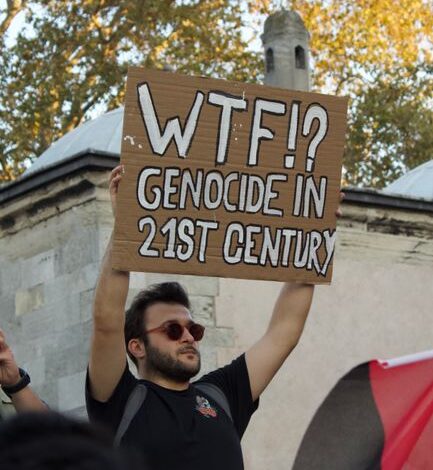
Freedom of Speech and Islam: Blasphemy Laws Explained
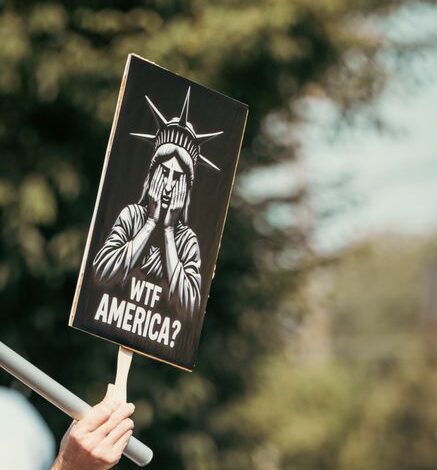
In an increasingly interconnected global society, few cultural and legal intersections are as fraught with tension as the one between modern secular concepts of freedom of speech and traditional Islamic perspectives on blasphemy. This ideological friction raises profound questions: Can absolute free speech coexist with religious reverence? Where does the right to offend end, and where does the protection of religious identity begin?
Understanding Freedom of Speech as a Modern Cornerstone
Freedom of speech is widely considered a foundational pillar of modern liberal democracies. Rooted in Enlightenment philosophy, this right protects the expression of ideas, no matter how controversial, heterodox, or offensive they might be to the status quo or majority sentiments.
In international frameworks, such as Article 19 of the Universal Declaration of Human Rights, free speech is framed as an inalienable right. The underlying logic is straightforward: progress, innovation, and truth emerge only through robust debate, critique, and the unrestricted exchange of ideas—even when those ideas touch upon sacred or taboo subjects.
The Islamic Perspective: Honor, the Sacred, and Blasphemy
Conversely, within traditional Islamic frameworks, the concept of absolute free speech is often viewed through a different lens. In many Muslim-majority societies, the collective spiritual well-being, honor of the Prophet Muhammad, and the sanctity of religious tenets take precedence over individual expressive autonomy.
Blasphemy—defined generally as speaking sacrilegiously about God or sacred entities—is treated not merely as offensive speech, but as a severe moral and, in some jurisdictions, legal transgression. From this viewpoint, unfettered mockery of religious figures is seen as an assault on communal identity, social cohesion, and deeply held spiritual realities that demand protection by the state.
Legal Realities: Blasphemy Laws Around the World
The clash between these two worldviews is not merely theoretical; it manifests in starkly different legal codes globally:
- Pakistan: Features some of the strictest blasphemy laws globally, where desecration of the Quran or insulting the Prophet Muhammad can carry mandatory life imprisonment or the death penalty.
- European Nations: While historically possessing blasphemy laws, many European countries have repealed them in recent decades to align with modern human rights standards, though some still retain laws against religious incitement or hatred.
- International Debates at the UN: For years, organizations like the Organisation of Islamic Cooperation (OIC) have pushed for international resolutions against the “defamation of religions,” contrasting sharply with Western delegations advocating for freedom of expression.
The Digital Age and Global Friction
The rise of social media and digital globalization has intensified these clashes. A satirical cartoon published in a European newspaper can instantly provoke violent protests in Jakarta or Lahore. This immediacy forces societies to confront a difficult dilemma: How do we navigate cross-cultural digital spaces where one culture’s cherished satirical right is another culture’s intolerable blasphemous insult?
Finding a Path Forward: Dialogue Over Division
Bridging the gap between modern liberty and religious sensibilities requires nuanced dialogue rather than cultural chauvinism. While safeguarding free expression remains essential for checking power and fostering open societies, cultivating cross-cultural empathy and respecting the dignity of religious communities are equally vital for peaceful coexistence in a pluralistic world.
Conclusion
The tension between freedom of speech and Islamic blasphemy laws highlights a fundamental philosophical divide of our time. As the world continues to shrink, navigating this friction demands patience, mutual respect, and a continuous commitment to balancing human rights with cultural dignity.