Is South Africa Becoming Less Religious? A Look at 2026 Trends and Atheist Impact

South Africa, a nation celebrated for its vibrant cultural mosaic, has long been synonymous with deep-rooted religious faith. From bustling urban churches to traditional spiritual practices in rural communities, belief systems are inextricably woven into the fabric of daily life. Yet, as the world navigates rapid modernization, globalization, and increased access to information, a pertinent question arises: Is South Africa becoming less religious? And what might the landscape look like by 2026, especially with the growing visibility of atheist and non-religious voices?
South Africa’s Enduring Spiritual Tapestry: A Current Snapshot
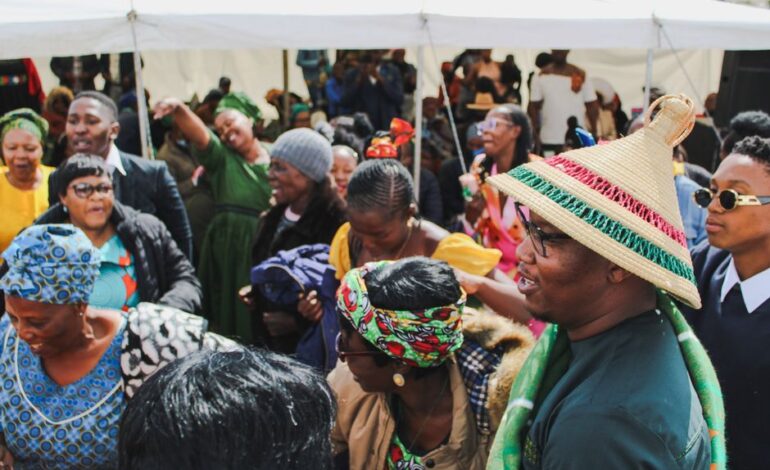
For decades, South Africa has consistently reported high levels of religious affiliation. Christianity, in its various denominations (Zion Christian Church, Dutch Reformed, Pentecostal, Catholic, etc.), is the dominant religion, accounting for over 80% of the population. Significant minorities practice Islam, Hinduism, Judaism, and various indigenous African traditional religions. Faith communities often serve as vital social networks, providing support, identity, and moral guidance.
This strong religious identity is deeply intertwined with the nation’s history, particularly its struggle against apartheid, where religious leaders and institutions often played pivotal roles in advocating for justice and human rights. Religion has historically been a source of resilience, hope, and community cohesion.
Unpacking the ‘Less Religious’ Hypothesis: Emerging Trends
While South Africa remains overwhelmingly religious, subtle shifts are beginning to emerge, mirroring global trends of secularization, albeit at a slower pace. Several factors contribute to these potential changes:
1. Urbanization and Modernization
The rapid migration from rural areas to urban centers exposes individuals to a more diverse array of ideas, lifestyles, and belief systems. Traditional community structures, often centered around religious institutions, may weaken, leading to a more individualized approach to spirituality or a questioning of inherited beliefs.
2. Education and Critical Thinking
Increased access to higher education and the promotion of critical thinking skills can lead some individuals to scrutinize religious doctrines and question their compatibility with scientific understanding or modern ethical frameworks.
3. Digital Age and Information Access
The internet and social media provide unprecedented access to alternative viewpoints, philosophical ideas, and communities of non-believers. This exposure can normalize non-religious identities and offer platforms for questioning traditional narratives.

4. Disillusionment with Religious Institutions
Scandals, corruption within leadership, or perceived failures of religious institutions to adequately address pressing social issues (like poverty, inequality, or gender-based violence) can lead to disillusionment and a distancing from organized religion, particularly among younger generations.
The Growing Voice of Atheism and Non-Religious Identities
While historically a largely silent minority, atheists, agnostics, humanists, and other non-religious individuals are becoming more visible and vocal in South Africa. Organizations like ‘Atheists South Africa’ and ‘Secular Society of South Africa’ are gaining traction, advocating for secular governance, critical thinking, and the rights of non-believers.
This growing visibility doesn’t necessarily mean a mass exodus from religion, but rather an increased willingness for individuals who previously might have conformed to religious norms to openly identify as non-religious. They challenge the assumption that religiosity is a prerequisite for morality or national identity, contributing to a more diverse ideological landscape.
Projecting to 2026: What Could the Near Future Hold?
Significant societal shifts rarely happen overnight, but by 2026, we can anticipate several evolving trends in South Africa’s religious landscape:
- Slight Decline in Formal Affiliation: While the majority will remain religious, there might be a subtle, measurable decline in formal religious affiliation, particularly among urban youth and those with higher education.
- Rise of ‘Spiritual But Not Religious’ (SBNR): A global phenomenon, more South Africans might identify as spiritual but eschew organized religion, seeking personal meaning outside traditional frameworks.
- Increased Visibility of Non-Believers: The non-religious population will likely continue to grow in visibility and confidence, fostering communities and advocating for their rights. Social stigma, though still present, may gradually lessen.
- Religious Institutions Adapting: To retain relevance, religious organizations may increasingly engage with contemporary social issues, offer more inclusive practices, and utilize digital platforms to reach younger audiences.
- Continued Diversity within Faiths: South Africa’s religious landscape will remain diverse, with various denominations and interfaith dialogues continuing to shape the nation’s spiritual discourse.
Implications for South African Society
A gradual shift in religious demographics could have several implications:
- Secular Governance: An increased non-religious population could strengthen calls for stricter adherence to secular principles in government and public institutions.
- Social Cohesion: While religion often fosters cohesion, a more diverse belief landscape could necessitate new ways of building community and shared values that transcend specific faiths.
- Education and Ethics: Debates around religious instruction in schools and the role of secular ethics in public life may intensify.
- Cultural Identity: South Africa’s rich cultural identity will continue to evolve, with less emphasis on purely religious markers and more on shared national values.
Conclusion: A Dynamic Landscape
By 2026, South Africa will undoubtedly remain a deeply spiritual and religious nation. However, beneath the surface of this enduring faith, subtle yet significant shifts are underway. The ‘less religious’ hypothesis isn’t about an imminent collapse of faith but rather a gradual diversification of beliefs, a growing visibility of non-religious identities, and an evolving relationship between individuals and organized religion. Understanding these dynamics is crucial for fostering an inclusive society that respects all belief systems, or the lack thereof, as the nation continues its journey of identity and progress.
What are your thoughts? Have you noticed these shifts in your community?