Religion’s Role in Post-War Reconciliation
Understanding the Role of Religion in Post-War Reconciliation
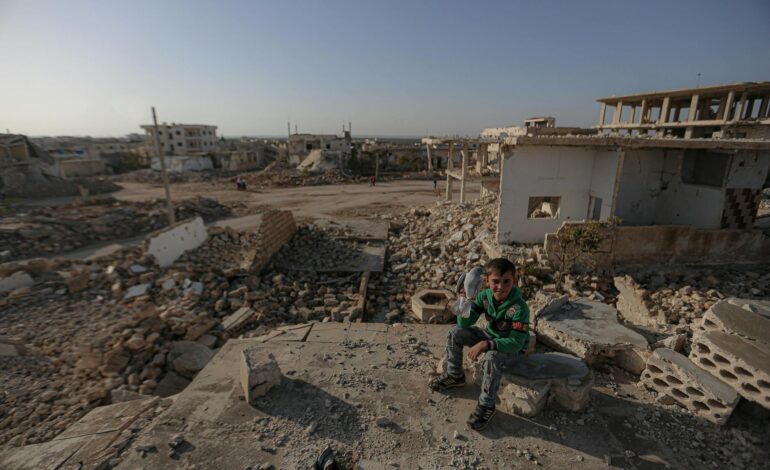
Religion has played a pivotal role in post-war reconciliation and healing processes across the globe, serving as both a unifying force and a source of division. The intersection of faith, conflict resolution, and societal healing is complex and multifaceted, often determining the success or failure of peace-building efforts in war-torn regions. This article explores how religious institutions, leaders, and beliefs have contributed to reconciliation efforts, examining both the positive impacts and the challenges that arise when religion intersects with post-conflict recovery.
The Historical Context of Religious Reconciliation
Throughout history, religious institutions have been at the forefront of reconciliation efforts following major conflicts. The role of religious leaders in mediating peace talks, providing humanitarian aid, and fostering dialogue between opposing groups has been documented in numerous post-war scenarios. For instance, during the Northern Ireland peace process, religious leaders from both Catholic and Protestant communities played crucial roles in bridging divides and promoting understanding between communities that had been in conflict for decades.
Religious Institutions as Mediators
Religious institutions often possess unique advantages when it comes to post-war reconciliation. Their established networks, moral authority, and community trust position them as effective mediators between conflicting parties. In many cases, religious leaders have been able to facilitate dialogue when secular institutions have failed. The South African Truth and Reconciliation Commission, for example, included religious leaders who helped create a framework for healing and forgiveness that went beyond legal justice.
The Power of Faith-Based Forgiveness
One of the most significant contributions of religion to post-war healing is the concept of forgiveness. Many religious traditions emphasize the importance of forgiveness as a path to personal and communal healing. This spiritual perspective on forgiveness has been instrumental in reconciliation processes, such as in Rwanda after the genocide, where religious leaders encouraged both perpetrators and victims to engage in forgiveness ceremonies as part of the healing process.
Challenges and Limitations
While religion can be a powerful force for reconciliation, it also presents challenges. Religious differences have sometimes been at the root of conflicts, and post-war reconciliation efforts must navigate these sensitive issues carefully. Additionally, religious institutions may face criticism for being partial or for not addressing the root causes of conflict adequately. The effectiveness of religious reconciliation efforts often depends on the willingness of religious leaders to promote interfaith dialogue and cooperation.
Case Studies in Religious Reconciliation
Several notable examples demonstrate the impact of religious involvement in post-war reconciliation. In Bosnia and Herzegovina, religious leaders from different faiths have worked together to promote interfaith dialogue and rebuild communities destroyed during the war. Similarly, in Colombia, religious organizations have been instrumental in supporting peace negotiations and helping former combatants reintegrate into society.
The Role of Interfaith Dialogue
Interfaith dialogue has emerged as a crucial component of post-war reconciliation efforts. By bringing together leaders and followers of different religious traditions, interfaith initiatives create spaces for mutual understanding and cooperation. These dialogues often focus on shared values and common goals, helping to transcend religious differences that may have contributed to conflict.
Religious Education and Reconciliation
Religious education plays a vital role in post-war reconciliation by promoting understanding and tolerance. Many religious institutions have developed educational programs that emphasize peace-building, conflict resolution, and the importance of respecting different beliefs. These programs often target young people, helping to create a new generation that values peace and reconciliation.
Psychological and Emotional Support
Religious institutions often provide crucial psychological and emotional support to individuals and communities affected by war. Through counseling, support groups, and spiritual guidance, religious leaders help people process trauma and find meaning in their experiences. This emotional support is often essential for long-term reconciliation and healing.
Economic and Social Reconciliation
Religious institutions frequently contribute to economic and social reconciliation by supporting development projects and community rebuilding efforts. These initiatives help create shared interests and common goals among previously divided communities, fostering cooperation and understanding.
The Future of Religious Reconciliation
As the world continues to face conflicts and post-war challenges, the role of religion in reconciliation is likely to evolve. New approaches to interfaith dialogue, combined with traditional religious values of peace and forgiveness, offer promising paths for future reconciliation efforts. However, the success of these efforts will depend on the ability of religious institutions to adapt to changing circumstances and address contemporary challenges.
Conclusion: The Continuing Importance of Religious Reconciliation
The role of religion in post-war reconciliation and healing remains significant and complex. While religious institutions and leaders have demonstrated their capacity to contribute positively to peace-building efforts, they must also navigate challenges and limitations. As societies continue to grapple with the aftermath of conflict, the potential for religion to serve as a force for reconciliation and healing remains both promising and essential.
Key Takeaways
- Religious institutions play a crucial role in post-war reconciliation through mediation and dialogue.
- Faith-based concepts of forgiveness can facilitate healing and reconciliation.
- Interfaith dialogue is essential for promoting understanding between different religious communities.
- Religious education can help prevent future conflicts by promoting tolerance and understanding.
- The effectiveness of religious reconciliation efforts depends on the ability to address both spiritual and practical needs.