The Untapped Demographic: Why Atheists Matter in South Africa’s Future
South Africa is a nation celebrated for its vibrant diversity, enshrined in a constitution that champions equality and freedom of belief. Yet, amidst the rich tapestry of cultures and religions, one demographic often remains overlooked, misunderstood, and underrepresented: atheists and the non-religious. While often perceived as a fringe group, this growing segment of the population holds significant potential for shaping a more progressive, equitable, and prosperous South Africa. This post explores why it’s time to acknowledge and engage with the atheist community, not just as a matter of constitutional principle, but as a strategic imperative for the nation’s future.
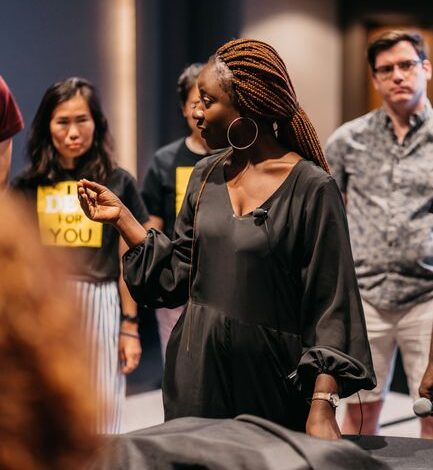
Suggested image: A diverse group of South Africans engaged in a thoughtful discussion, perhaps in an urban or community setting, symbolizing critical thinking and inclusivity.
The Current Landscape: Overlooked and Underrepresented
South Africa’s religious landscape is predominantly Christian, with significant Muslim, Hindu, Jewish, and traditional African religious communities. While our Constitution guarantees freedom of religion and belief, the non-religious often fall into a statistical “other” category, making their numbers seem smaller than they might be. This societal perception often leads to their voices being marginalized in public discourse, policy-making, and even social initiatives. The assumption that everyone in South Africa belongs to a specific religious group creates an invisible barrier, preventing a significant portion of the population from having their unique perspectives fully acknowledged.
Debunking Myths: What Atheism Truly Means
Common misconceptions often paint atheists as amoral, nihilistic, or inherently anti-religious. In reality, atheism is simply a lack of belief in a deity. Atheists, like anyone else, adhere to diverse ethical frameworks, often rooted in humanism, empathy, reason, and a commitment to social justice. They are not inherently anti-religion, but rather advocate for secular governance and the freedom from religion, alongside freedom of religion, for all citizens. Their ethical compass is often guided by a desire for human flourishing and a commitment to evidence-based solutions for societal problems.
The Economic Contribution: Skills, Innovation, and Progress
The non-religious are active and often highly skilled participants in South Africa’s economy. They are professionals, entrepreneurs, innovators, educators, and consumers across all sectors. Their contributions are driven by expertise, critical thinking, and a commitment to improving society. Ignoring this demographic means overlooking a significant pool of talent and potential economic drivers, whose secular perspectives can foster unique, unbiased solutions to national challenges. Their focus on logic and empirical evidence can be a powerful asset in fields ranging from technology and science to business and public administration.
Progressive Values and Social Change
Atheist and humanist communities often champion progressive values crucial for societal advancement. These include:
Critical Thinking and Evidence-Based Policy: A strong emphasis on reason and scientific inquiry, advocating for policies based on data rather than dogma or tradition.
Human Rights Advocacy: Staunch supporters of universal human rights, gender equality, LGBTQ+ rights, and social justice, often challenging discriminatory practices rooted in religious interpretations.
Secular Governance: A commitment to maintaining the separation of church and state, ensuring that South Africa remains a truly democratic and inclusive nation where no single belief system dictates public life.
Environmental Stewardship: Often driven by a science-based understanding of ecological challenges and a humanistic responsibility to protect the planet.
Political Engagement and Representation
Despite their growing numbers and significant contributions, atheists and the non-religious have minimal political representation in South Africa. Their specific concerns – such as secular education, non-discrimination based on belief, and the removal of religious privilege – are often absent from political agendas. Engaging this demographic politically could introduce fresh perspectives, challenge status quo thinking, and strengthen the nation’s democratic foundations by ensuring all voices are heard. A truly representative democracy must include the voices of those who hold no religious belief.
Fostering Inclusivity and Diversity for a Stronger Nation
True diversity extends beyond race, gender, and sexual orientation to include diversity of thought and belief (or non-belief). Recognizing and including atheists in public life, community initiatives, and national dialogues enriches South Africa’s social fabric. It signals a commitment to a truly pluralistic society where everyone, regardless of their metaphysical views, feels valued and has a stake in the nation’s future. Ignoring this demographic is not only unconstitutional but also denies the nation a valuable source of critical thought and progressive action.
Conclusion: Embracing a More Inclusive Future
South Africa stands at a critical juncture, facing complex socio-economic challenges. Moving forward requires harnessing the full potential of all its citizens. The atheist and non-religious demographic, far from being a niche group, represents a significant, educated, and engaged segment of society with valuable contributions to make. By embracing inclusivity, dispelling stereotypes, and actively engaging with this untapped demographic, South Africa can foster a more robust democracy, drive innovation, and build a future that truly reflects its constitutional promise of equality and freedom for all. It’s time to acknowledge that a secular voice is a valuable voice, and a non-religious perspective is an essential perspective for South Africa’s journey ahead.
What are your thoughts on the role of non-religious individuals in South Africa’s future? Share your perspective in the comments below!