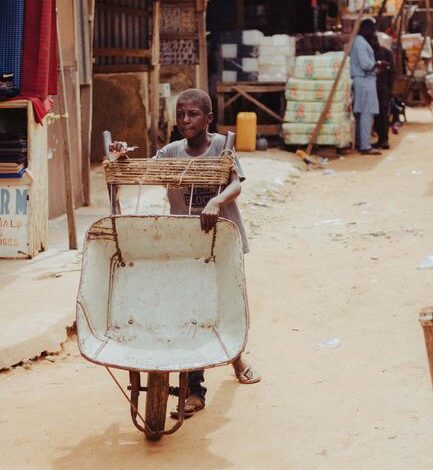
Why Africa Doesn’t Need More Churches: Focusing on Community Development
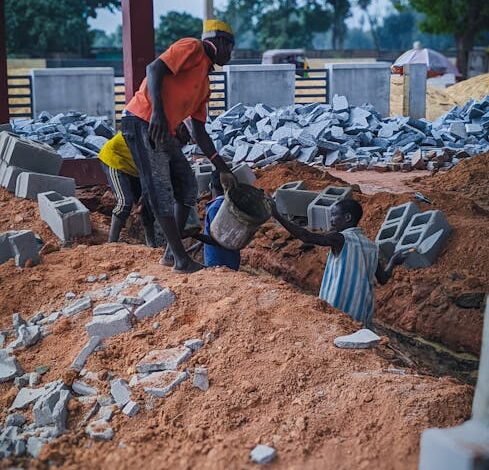
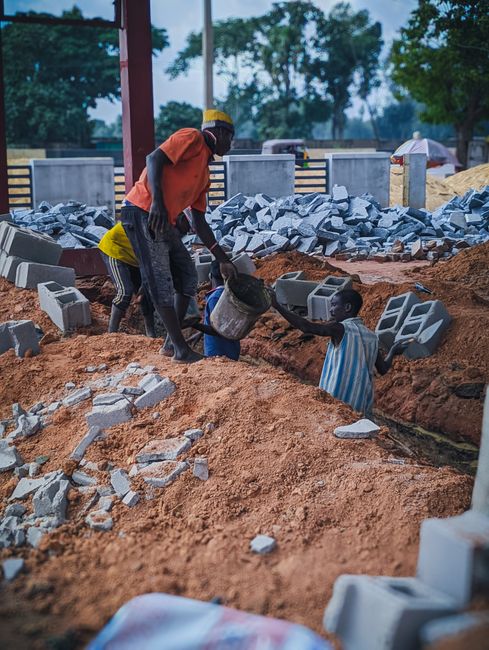
Why Africa Doesn’t Need More Churches: Focusing on Community Development
Across the continent, the number of churches continues to rise. While places of worship play a vital role in many lives, the pressing challenges facing African societies – poverty, inadequate infrastructure, limited education, and health crises – demand a shift in focus from building more churches to building stronger, self‑sustaining communities.
Understanding the Current Landscape
- Rapid urbanisation has left many towns without essential services.
- Unemployment rates remain high, especially among youth.
- Access to clean water, reliable electricity, and quality healthcare is still limited in many regions.
Churches often step in to fill these gaps, providing ad‑hoc solutions such as food banks, medical clinics, and school tuition support. While commendable, this approach can inadvertently create dependency and divert attention from long‑term, systemic development.
Why More Churches Aren’t the Answer
1. Resource Duplication: Building new church structures consumes land, funds, and human capital that could be allocated to schools, vocational centres, or renewable energy projects.
2. Limited Impact Scope: A single church can only serve a limited geographic area. Community development initiatives, on the other hand, can be scaled across districts and regions.
3. Potential for Fragmentation: When multiple churches operate independently, efforts can become fragmented, leading to overlapping services and inefficient use of resources.
Strategic Community Development Priorities
To foster sustainable growth, stakeholders – including religious leaders, NGOs, governments, and the private sector – should collaborate on the following pillars:
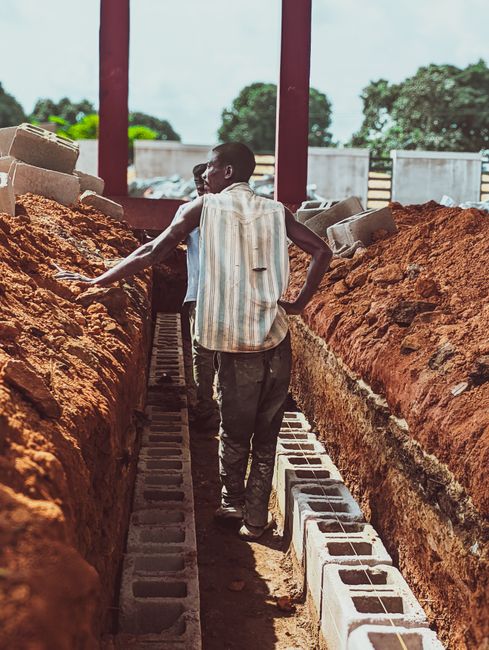
- Education & Skills Training: Establish community learning hubs that offer free or low‑cost literacy programs, digital skills, and vocational training aligned with local market needs.
- Healthcare Access: Invest in mobile clinics, telemedicine platforms, and preventive health campaigns that reach remote villages.
- Clean Water & Sanitation: Deploy affordable water purification systems and promote community‑managed sanitation facilities.
- Renewable Energy: Support solar‑powered micro‑grids and solar home‑systems to bring electricity to off‑grid households.
- Economic Empowerment: Facilitate micro‑finance, cooperative businesses, and market linkages for smallholder farmers and artisans.
How Churches Can Transition to Development Partners
Rather than constructing new worship spaces, churches can repurpose existing facilities to become community development hubs:
- Convert under‑used halls into after‑school tutoring rooms.
- Partner with NGOs to run health screening days on church grounds.
- Offer their networks for fundraising campaigns that support clean‑water projects.
- Provide mentorship programs that connect youth with skilled professionals within the congregation.
“When the church becomes a catalyst for tangible change, faith is lived out in the streets, not just the sanctuary.”
SEO Tips for This Article
- Primary keyword: community development in Africa
- Secondary keywords: churches and development, Africa sustainable growth, faith‑based community projects
- Meta description (155‑160 characters): “Explore why Africa needs fewer churches and more community development initiatives, and learn how faith‑based groups can become catalysts for lasting change.”
Conclusion: A Call to Action
Building more churches will not, on its own, solve the systemic challenges that African communities face. By redirecting resources toward education, health, clean water, renewable energy, and economic empowerment, we can create resilient societies where faith supports, rather than replaces, sustainable development. Religious leaders, congregants, and development partners are uniquely positioned to lead this transformation – turning pews into platforms for progress.
Ready to make a difference? Start by assessing the needs of your local community, partner with existing development NGOs, and repurpose church spaces for training, health, and entrepreneurship programs. Together, we can build a future where every African community thrives, with or without a new church building.
Keywords: community development in Africa, churches and development, sustainable growth, faith‑based projects, African empowerment