2026 Vision: The Future of Religion in South Africa and the Atheist Effect
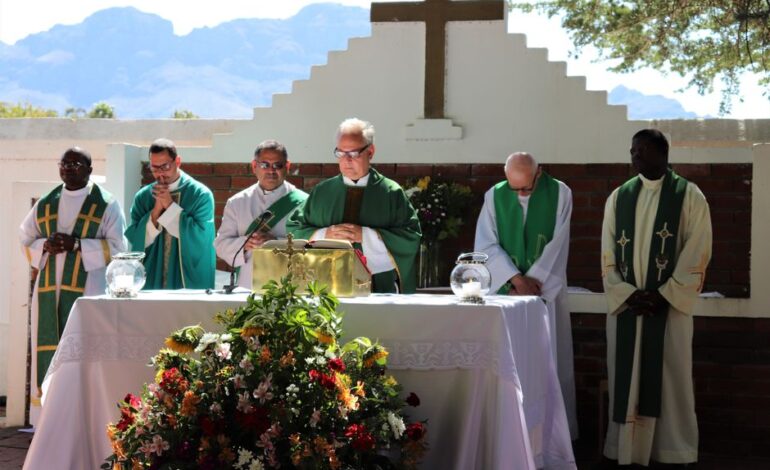
South Africa, a nation celebrated for its vibrant cultural tapestry, is equally rich in its spiritual landscape. From the deep-rooted traditions of indigenous beliefs to the widespread influence of Christianity, Islam, Hinduism, and Judaism, faith has always been a cornerstone of identity and community. But as we cast our gaze towards 2026, what does the future hold for religion in this dynamic country, especially with the growing ‘Atheist Effect’ making its presence felt globally and locally?
South Africa’s Unique Religious Tapestry: A Foundation of Faith
Historically, religion in South Africa has been intertwined with social structure, politics, and daily life. Christianity, particularly various Protestant denominations and Catholicism, holds the largest share of adherents, largely a legacy of colonial and missionary efforts. However, traditional African spiritual practices continue to thrive, often blending with Christian beliefs in syncretic forms. Islam, Hinduism, and Judaism, brought by various waves of immigration, have also established strong, vibrant communities contributing to the nation’s spiritual mosaic.
Post-apartheid, the constitutional guarantee of religious freedom fostered an environment where diverse faiths could flourish without state interference. This has led to a rich interfaith dialogue and a generally tolerant society, albeit with underlying tensions that occasionally surface.
Unpacking the ‘2026 Vision’: Anticipating Spiritual Shifts
The ‘2026 Vision’ isn’t a prophecy but a projection – an anticipation of how current trends might shape the religious landscape in the near future. By 2026, several factors will likely accelerate changes in how South Africans perceive and practice religion:
-
Urbanization and Globalization: Rapid migration to cities and increased exposure to global ideas through the internet continue to challenge traditional community structures and belief systems.
-
Digital Age Influence: Social media and online platforms offer new avenues for spiritual exploration, community building, and, significantly, for questioning established doctrines.
-
Socio-Economic Pressures: Persistent issues like inequality, unemployment, and corruption can either drive people towards faith for solace and hope or away from it due to disillusionment with institutions.
The Rising Tide of Non-Affiliation: The Atheist Effect in South Africa
Globally, there’s been a noticeable rise in the number of people identifying as ‘nones’ – those with no religious affiliation, including atheists, agnostics, and those who are simply spiritual but not religious. South Africa is not immune to this ‘Atheist Effect’. While comprehensive recent data is scarce, anecdotal evidence and smaller surveys suggest a growing segment of the population, particularly among the youth and educated urbanites, is moving away from traditional religious institutions.
Drivers of the Atheist Effect:
-
Access to Information and Science: The internet provides unprecedented access to scientific knowledge and critical perspectives on religious texts and history, leading some to question faith-based explanations.
-
Disillusionment with Religious Scandals: Instances of corruption, abuse, and hypocrisy within religious institutions globally and locally erode trust and push individuals away.
-
Social Progress and Inclusivity: As society becomes more accepting of diverse lifestyles (e.g., LGBTQ+ rights), traditional religious doctrines that conflict with these values can be seen as outdated or discriminatory.
-
Quest for Personal Autonomy: Many young South Africans seek to define their own moral and ethical frameworks, independent of prescribed religious dogma.
-
Perceived Irrelevance: Some feel that traditional religious services and teachings don’t adequately address contemporary challenges or resonate with their lived experiences.
Impact on Individuals and Society:
For individuals, the ‘Atheist Effect’ often means a search for meaning and community outside conventional religious frameworks. Humanism, secular ethics, and non-religious community groups are gaining traction. For society, it implies a gradual secularization of public discourse, potentially shifting the moral compass and influencing policy debates.

Challenges for Traditional Religious Institutions by 2026
The rise of non-affiliation presents significant challenges for established religious bodies:
-
Membership Decline: Particularly among younger generations, leading to fewer attendees, volunteers, and financial contributions.
-
Relevance Crisis: Struggling to connect traditional teachings with modern issues like climate change, gender equality, and mental health.
-
Erosion of Authority: Religious leaders may find their authority questioned more openly, requiring new approaches to engagement and leadership.
-
Intra-Faith Divisions: Debates between conservative and progressive factions within faiths over adapting to modern societal values can cause internal strife.
Opportunities for Evolution and Adaptation
However, the ‘Atheist Effect’ also presents opportunities for religious institutions to evolve and thrive:
-
Focus on Core Values: Emphasizing universal values like compassion, social justice, community service, and ethical living can attract those seeking meaning and purpose.
-
Social Activism and Outreach: Religious organizations that actively engage in addressing poverty, inequality, health crises, and environmental issues can demonstrate their continued relevance and positive impact.
-
Interfaith Collaboration: Working together across different faiths on common ethical and social challenges can strengthen their collective voice and demonstrate unity.
-
Spiritual Innovation: Adapting worship styles, incorporating technology, creating inclusive spaces, and fostering open dialogue can resonate with a broader audience.
-
Dialogue and Understanding: Engaging respectfully with secular and atheist perspectives can foster mutual understanding and identify shared ground for building a better society.
Navigating a Pluralistic Future: Dialogue and Coexistence
By 2026, South Africa’s spiritual landscape will likely be even more complex and diverse. The ‘Atheist Effect’ is not necessarily a force of opposition but rather another facet of this evolving diversity. The key to a harmonious future will lie in fostering continued dialogue, mutual respect, and understanding between religious adherents and non-believers.
Shared values of human dignity, justice, and community can form the basis for cooperation, ensuring that South Africa remains a nation where all individuals, regardless of their spiritual or non-spiritual convictions, can contribute to its growth and well-being.
Conclusion
The 2026 Vision for religion in South Africa is one of dynamic change. While traditional faiths will continue to play a significant role, the ‘Atheist Effect’ will undoubtedly reshape the spiritual conversation, challenging institutions to adapt and individuals to explore new paths to meaning. The future calls for open minds, compassionate hearts, and a commitment to building a society that embraces its spiritual diversity in all its forms, fostering unity amidst evolving beliefs.