South Africa, a nation forged in the crucible of apartheid and reborn through the spirit of ubuntu, has long been synonymous with deep-rooted religiosity. For decades, the church, in its myriad forms, served as both a pillar of communities and, at times, a tool of oppression or a beacon of resistance. Yet, beneath this seemingly monolithic spiritual landscape, a quiet but profound shift is underway: the discernible growth of atheism and secular thought. From the pews to philosophical inquiry, we’re witnessing a fascinating evolution in the post-apartheid spiritual and intellectual fabric of the nation.
The Sacred Tapestry of Old South Africa
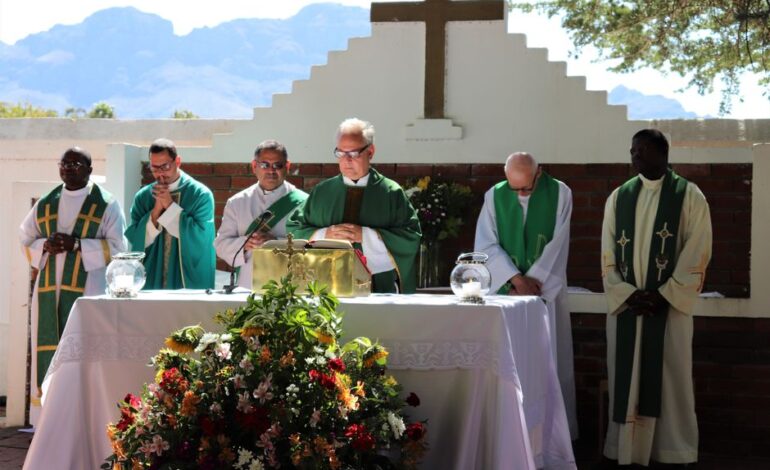
To understand the emergence of atheism, one must first grasp the pervasive influence of religion in South Africa’s past. Christianity, particularly various Protestant denominations, played a dominant role, deeply intertwined with the social and political structures of both colonial and apartheid eras. Churches were community hubs, moral arbiters, and often, the primary source of education and welfare. Even resistance movements had strong religious underpinnings, with many leaders emerging from faith traditions.
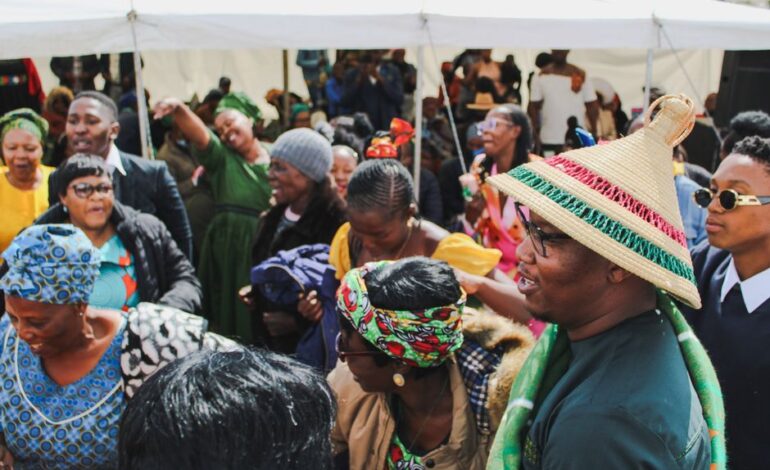
Suggested Image: A diverse group of South Africans engaged in thoughtful discussion, perhaps in a modern urban setting, representing the intersection of tradition and critical inquiry.
Post-Apartheid: A Secular Constitution, A New Dawn
The advent of democracy in 1994 brought with it a groundbreaking Constitution, one of the most progressive in the world. Crucially, it established South Africa as a secular state, guaranteeing freedom of conscience, religion, thought, belief, and opinion for all its citizens. This foundational shift created an environment where non-belief, once largely unspoken or relegated to the fringes, could begin to find its voice and flourish.
Unpacking the Drivers: Why Atheism is Growing in SA
The growth of atheism in post-apartheid South Africa isn’t a singular phenomenon but a confluence of several socio-political, educational, and global factors:
1. The Shadow of Apartheid and Religion’s Dual Role
While many religious leaders and institutions bravely fought against apartheid, others actively supported or passively enabled it. This historical ambiguity has led some to critically examine the role of religion in power structures and question doctrines that were used to justify oppression. The legacy of state-sanctioned religious ideology has, for some, fostered a skepticism towards institutionalized faith.
2. Globalization and the Digital Age
With increased access to the internet, South Africans are more exposed than ever to global ideas, scientific advancements, and diverse philosophical perspectives. The digital age has democratized information, allowing individuals to explore secular worldviews, engage with international atheist communities, and access critical analyses of religion that might have been inaccessible in previous generations.
3. Education and Critical Thinking
Expanding access to quality education, particularly higher education, encourages critical thinking, scientific literacy, and independent inquiry. As more South Africans engage with academic disciplines that prioritize evidence and reason, some find their traditional faith frameworks challenged, leading them to question long-held beliefs.
4. Disillusionment with Religious Institutions
Like many parts of the world, South Africa has seen its share of religious scandals, from financial impropriety to moral failings within church leadership. Such events can erode trust and lead individuals to question the integrity and relevance of religious organizations, prompting a search for meaning outside of traditional faith structures.
5. The Rise of Organized Secularism
Post-apartheid South Africa has witnessed the emergence and growth of secular humanist and atheist organizations. Groups like the Atheist Community of South Africa (ACSA), Free Thinkers of South Africa, and various humanist societies provide platforms for non-believers to connect, share experiences, and advocate for secular values. These communities offer validation and support, making it easier for individuals to openly identify as atheist.
6. Generational Shifts
Younger generations, often more urbanized and globally connected, tend to be more open to questioning tradition and exploring diverse identities. They are less bound by the social pressures and expectations that may have kept previous generations within religious folds, even if they harbored doubts.
Challenges and the Path Forward
Despite the constitutional protections, atheists in South Africa still face challenges. Social stigma, particularly in close-knit communities, can be significant. ‘Coming out’ as an atheist can lead to family estrangement, social isolation, or even discrimination in some contexts. The public discourse often assumes religiosity, making non-believers feel invisible or misunderstood.
However, the growing visibility of atheist and humanist voices is slowly changing this narrative. As more individuals embrace critical thought and secular identities, they contribute to a richer, more diverse intellectual landscape in South Africa. This evolution signals a maturing democracy where freedom of thought, belief, and non-belief are not just constitutional ideals but lived realities.
Conclusion: A New Chapter in South Africa’s Identity
The journey from deeply ingrained religiosity to an increasingly visible secular consciousness is a complex and fascinating one for South Africa. It reflects a nation grappling with its past, embracing its democratic ideals, and forging a future where critical thought and diverse worldviews are not just tolerated but celebrated. The growth of atheism isn’t an erosion of South African identity but rather an expansion of it, adding another vibrant thread to the nation’s rich and evolving tapestry.