Biblical Mistranslations: Famous Bible Translation Errors
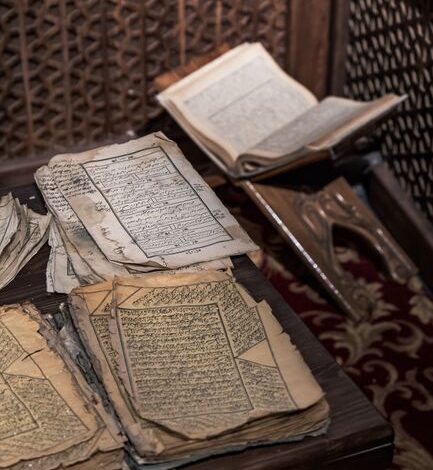
For centuries, the Bible has been read, studied, and debated as the infallible word of God by billions. Yet, beneath the surface of leather-bound covers and gold-gilt edges lies a fascinating world of textual variants, mistranslations, historical contradictions, and cultural misunderstandings. When modern historians, linguists, and archaeologists put the scriptures under a microscope, we find that some of our most deeply ingrained “biblical facts” are actually the result of centuries of game-of-telephone translation errors. Let’s dive into some of the Bible’s greatest hits and separate fact from divine fiction.
1. The Forbidden Fruit Was Probably Not an Apple
It’s the quintessential image of original sin: Eve plucks a shiny, red apple from a tree and hands it to Adam. Except… the Book of Genesis never actually mentions an apple.
In the original Hebrew text, the fruit of the tree of the knowledge of good and evil is simply called peri, a generic word for “fruit.” When the Bible was translated into Latin in the 4th century (becoming the Vulgate), scholar Jerome translated the Hebrew word malus (evil) using the Latin word malum, which can mean either “evil” or “apple.” Over time, Western European artists and storytellers latched onto the apple due to its rich mythological symbolism in Greek and Roman traditions. Historically speaking, ancient Edenic snacks were far more likely to be figs, pomegranates, or dates.
2. Moses Didn’t Have Horns (Blame a Bad Translation)
If you wander into Rome’s San Pietro in Vincoli church, you’ll come face-to-face with Michelangelo’s famous statue of Moses—complete with two distinct, bony horns protruding from his forehead. Is Moses secretly a demon? Not quite.
When Moses descended from Mount Sinai after receiving the Ten Commandments, Exodus 34:29 describes his face as shining. The Hebrew root word used here is karan, which means “to emit rays” or “to shine” (as in beams of light). However, ancient Hebrew was written without vowels. Jerome, translating the text into Latin centuries later, read karan as keren, which means “horn.” Thus, due to a vowel mix-up, centuries of Christian art depicted one of the Bible’s greatest prophets with livestock features.
3. The Virgin Birth: A Prophecy Mistranslated?
The doctrine of the virgin birth is a cornerstone of Christian theology, heavily supported by the Gospel of Matthew referencing the prophet Isaiah: “Behold, the virgin shall conceive and bear a son” (Isaiah 7:14).

However, when we look back at the original Hebrew text of Isaiah written centuries before Jesus, the word used is almah. In ancient Hebrew, almah simply means a young woman of childbearing age—it does not specifically mean a biological virgin (the Hebrew word for that is bethulah). When Jewish scholars translated the Hebrew Bible into Greek around the 3rd to 2nd centuries BCE (the Septuagint), they translated almah using the Greek word parthenos, which does specifically mean virgin. Matthew, reading the Greek translation rather than the original Hebrew, built the narrative of the virgin birth upon this linguistic pivot.
4. Camels Through the Eye of a Needle
Jesus famously remarked, “It is easier for a camel to go through the eye of a needle than for a rich person to enter the kingdom of God” (Matthew 19:24). For generations, preachers have told congregations about a literal, low-slung gate in Jerusalem called “The Eye of the Needle,” where heavily laden camels supposedly had to drop to their knees and crawl through.
It’s a great sermon illustration, but it’s entirely fabricated. Archaeologists and historians have found zero evidence of a gate by that name in ancient Jerusalem. Linguists suggest it was simply a piece of hyperbolic, sarcastic hyperbole common in Middle Eastern storytelling—much like our modern phrase “pigs might fly.” Alternatively, some scholars note that the Aramaic word for camel (gamla) is very similar to the word for a thick nautical rope (kamilon), suggesting a slight pun that got lost in translation.
Conclusion: Why These Errors Matter
Fact-checking the Bible isn’t about undermining faith; rather, it’s about appreciating the deeply human, historical process through which ancient texts were preserved, copied, and translated across millennia. Recognizing that the Bible carries the fingerprints of its human scribes helps us understand its cultural context more deeply—proving that even the greatest book in history has a few hilarious typos in its margins.
What’s your favorite biblical misconception? Let us know in the comments below!