How Christianity Harms African Culture and Traditions
Introduction
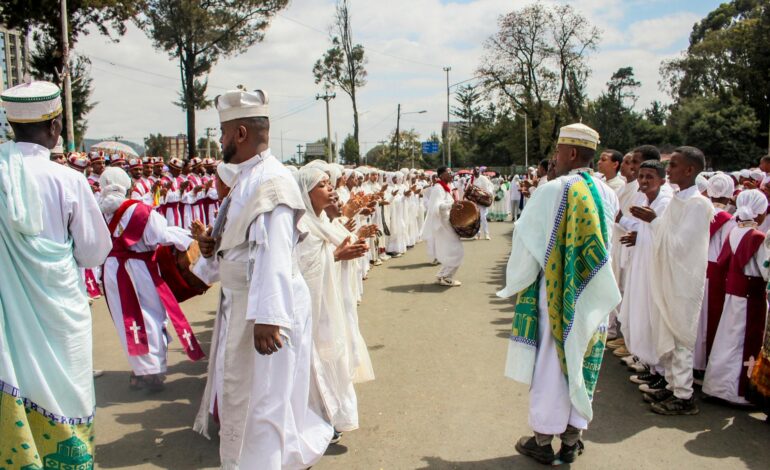
The intersection of Christianity and African culture represents one of the most complex and controversial aspects of the continent’s modern identity. While Christianity has become deeply embedded in many African societies, its historical and ongoing impact on indigenous cultures and traditions raises serious concerns about cultural preservation, identity, and autonomy. This article examines the various ways Christianity has been harmful to African culture and traditions, exploring historical context, cultural disruption, and the ongoing challenges faced by traditional African belief systems.
Historical Context: The Colonial Legacy
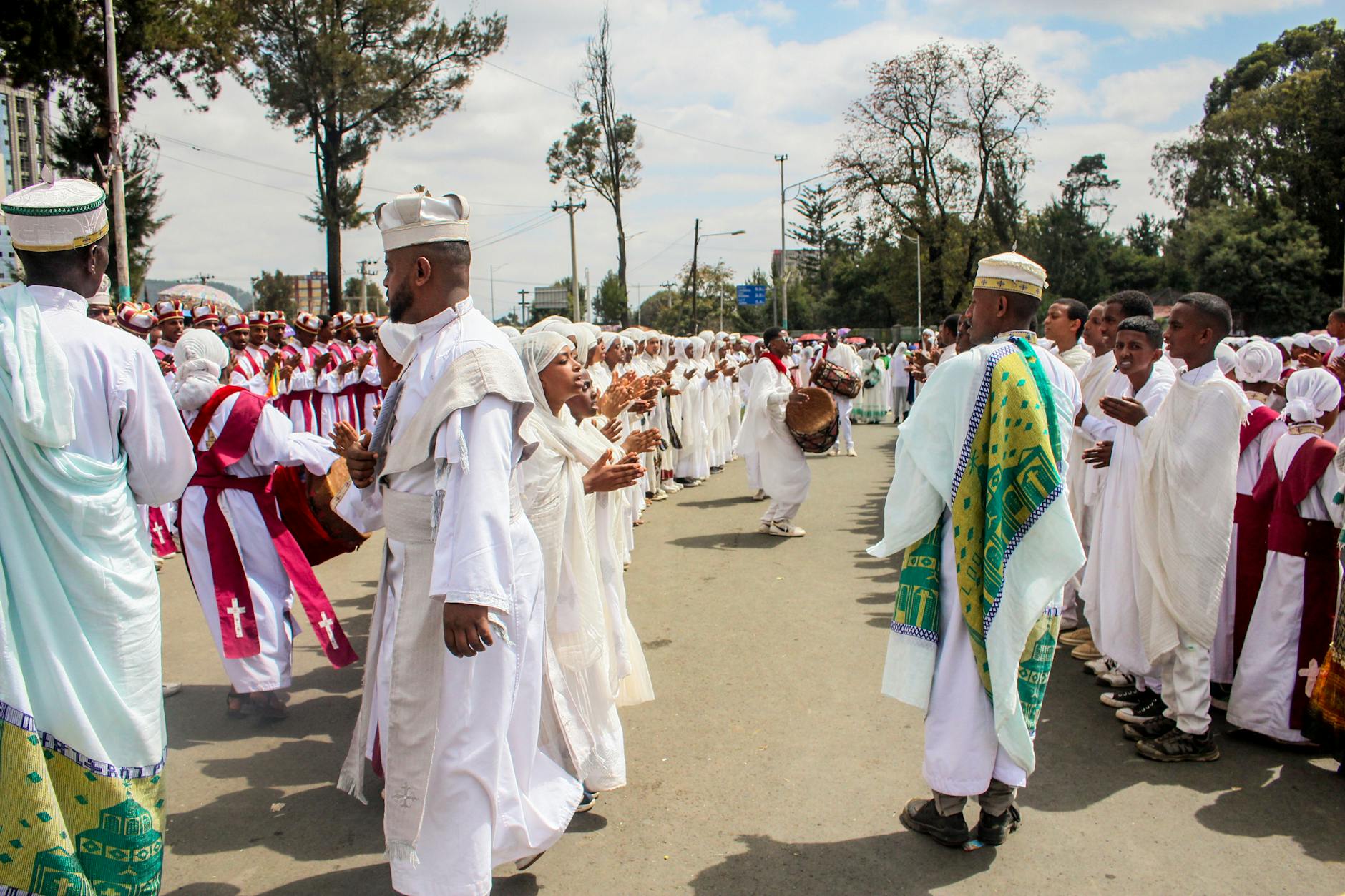
The introduction of Christianity to Africa was inextricably linked with European colonialism. Missionaries often arrived alongside or shortly after colonial administrators, creating a powerful alliance between religious conversion and political control. This partnership fundamentally altered the social fabric of African societies.
According to historical records, European missionaries viewed African traditional religions as primitive and demonic. They actively worked to suppress indigenous spiritual practices, often with the support of colonial governments. This systematic dismantling of traditional belief systems was not merely a religious endeavor but a tool for cultural domination and control.
Cultural Disruption and Identity Loss
Traditional African religions are deeply integrated with cultural practices, social structures, and community life. The introduction of Christianity disrupted these interconnected systems in several ways:
- Replacement of ancestral worship with Christian monotheism
- Discouragement of traditional healing practices and herbal medicine
- Suppression of initiation ceremonies and rites of passage
- Destruction of sacred sites and cultural artifacts
- Disruption of traditional family structures and social hierarchies
These disruptions have led to a gradual erosion of cultural identity among many African communities. Young people, in particular, often find themselves caught between Christian teachings and traditional practices, leading to confusion and identity crises.
Language and Knowledge Systems
Christianity’s arrival in Africa brought with it the imposition of European languages as the medium for religious instruction and worship. This linguistic shift had profound implications for traditional knowledge systems and cultural transmission.
Traditional African religions rely heavily on oral traditions, proverbs, and indigenous languages to convey spiritual teachings and cultural values. The promotion of European languages in Christian worship effectively marginalized these indigenous knowledge systems. As noted by cultural preservationists, this linguistic shift has contributed to the loss of traditional ecological knowledge, medicinal practices, and cultural wisdom that was previously passed down through generations.
Social and Economic Impact
The spread of Christianity in Africa has also had significant social and economic consequences:
- Creation of economic dependencies through church tithes and offerings
- Reinforcement of patriarchal structures through biblical interpretations
- Stigmatization of traditional leadership roles and community elders
- Promotion of individualism over communal values
- Financial exploitation through prosperity gospel teachings
These factors have contributed to social fragmentation and economic vulnerabilities within many African communities. The emphasis on individual salvation and prosperity has sometimes undermined traditional communal support systems and collective responsibility.
Psychological and Spiritual Impact
The psychological impact of Christianity on African societies cannot be overstated. The message that traditional beliefs are sinful or backward has created deep-seated feelings of shame and inferiority among many Africans regarding their cultural heritage.
Traditional African spirituality is often characterized by a holistic worldview that integrates the physical and spiritual realms. Christianity’s dualistic approach, which separates the sacred from the secular, has created a spiritual disconnect for many Africans. This disconnect has contributed to mental health challenges and a sense of spiritual alienation from both traditional and Christian practices.
Resistance and Revival Efforts
Despite these challenges, there have been significant efforts to revive and preserve African traditional religions and cultural practices. These include:
- Documentation of traditional practices and beliefs
- Educational programs promoting cultural awareness
- Legal protections for sacred sites and cultural heritage
- Interfaith dialogues between traditional practitioners and Christians
- Cultural festivals celebrating indigenous traditions
These efforts represent important steps toward cultural restoration and the reclamation of African identity. However, they face ongoing challenges from entrenched Christian institutions and societal attitudes.
Conclusion
The impact of Christianity on African culture and traditions has been profound and, in many ways, harmful. From the colonial era to the present day, the spread of Christianity has contributed to cultural disruption, identity loss, and the marginalization of traditional belief systems. While Christianity has become deeply embedded in African societies, it is crucial to recognize and address its negative impacts on cultural heritage and identity.
Moving forward, there is a need for a more nuanced approach that respects both religious freedom and cultural preservation. This includes promoting dialogue between different belief systems, supporting cultural education, and creating spaces for the practice of traditional religions alongside other faiths. Only through such efforts can African societies work toward a more balanced and culturally respectful future.