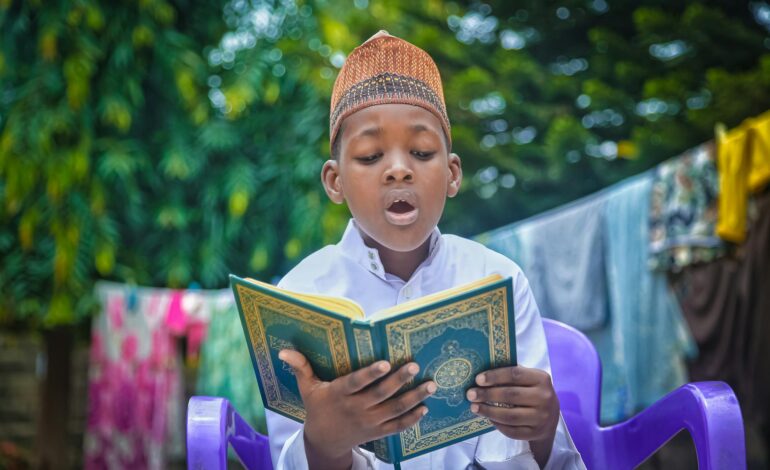
Islam and Health in Africa: Public Health Impact & Solutions
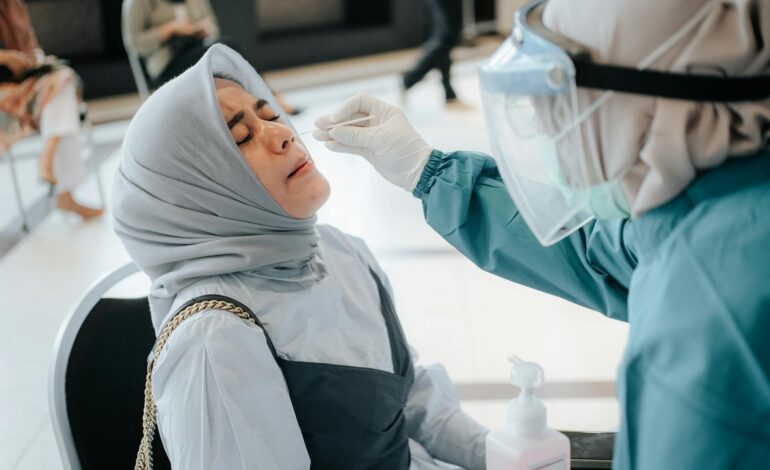
Introduction: Understanding the Intersection of Islam and Public Health in Africa
The relationship between Islam and public health in Africa represents a complex intersection of religious beliefs, cultural practices, and healthcare delivery systems. With over 500 million Muslims living across the African continent, representing approximately 50% of Africa’s total population, understanding how Islamic principles influence health behaviors, healthcare access, and public health outcomes is crucial for developing effective health interventions.
This comprehensive examination explores how Islamic teachings, practices, and community structures impact various aspects of public health in African nations. From maternal and child health to disease prevention and healthcare delivery, the influence of Islam creates both opportunities and challenges for public health practitioners working in Muslim-majority communities across Africa.
The Historical Context: Islam’s Arrival and Health Traditions in Africa
Islam’s presence in Africa dates back to the 7th century, with its arrival in North Africa and gradual spread southward through trade routes, migration, and cultural exchange. Throughout this historical journey, Islamic principles regarding health, hygiene, and community care became integrated with existing African traditional medicine practices.
Islamic teachings emphasize the importance of health as a blessing from God, with numerous hadiths (sayings of Prophet Muhammad) highlighting the significance of maintaining good health. The Prophet Muhammad stated, “Take advantage of five before five: your youth before your old age, your health before your illness, your wealth before your poverty, your free time before your work, and your life before your death.” This foundational principle has influenced how Muslim communities approach healthcare across generations.
Traditional African healing practices often incorporated Islamic elements, creating unique syncretic approaches to health and wellness. This historical blending continues to influence contemporary healthcare delivery in many African Muslim communities, where traditional healers may incorporate Islamic prayers and practices alongside herbal remedies and spiritual healing methods.
Islamic Principles and Their Impact on Health Behaviors
Islamic teachings contain numerous principles that directly influence health behaviors among African Muslim populations. The concept of tahara (purity) requires Muslims to maintain physical and spiritual cleanliness, which includes regular ablutions before prayers, washing after certain activities, and maintaining personal hygiene. These practices have significant public health implications, particularly in areas with limited access to clean water and sanitation facilities.
Dietary regulations in Islam, including the prohibition of pork and alcohol, combined with requirements for halal (permissible) food preparation, influence nutritional patterns across Muslim communities. Research conducted in West African countries has shown that adherence to Islamic dietary laws correlates with lower rates of certain alcohol-related health problems and specific dietary choices that may impact overall health outcomes.
The Islamic emphasis on niyyah (intention) and personal responsibility for health encourages preventive healthcare practices. Many Muslims view maintaining health as a religious obligation, which can motivate regular health check-ups, vaccinations, and adherence to medical advice when healthcare services are accessible and culturally appropriate.
Maternal and Child Health: Islamic Perspectives and Practices
Maternal and child health represents one of the most significant areas where Islamic teachings intersect with public health outcomes in Africa. Islamic principles regarding family planning, breastfeeding, and child-rearing practices have both positive and challenging implications for maternal and child health programs.
The Quran explicitly encourages breastfeeding for two complete years, which aligns with global public health recommendations for optimal infant nutrition. This religious endorsement has contributed to higher breastfeeding rates in many Muslim communities across Africa compared to non-Muslim populations in the same regions. Studies from countries like Senegal and Mali have documented breastfeeding initiation rates exceeding 95% in Muslim-majority areas.
However, Islamic perspectives on family planning present complex challenges for maternal health programs. While Islam permits family planning for health reasons and to ensure proper care for existing children, interpretations vary significantly among different Islamic scholars and communities. Some conservative interpretations discourage contraception, leading to higher fertility rates and associated maternal health risks in certain regions.
Female genital mutilation (FGM), though not an Islamic requirement, persists in some African Muslim communities due to cultural traditions. Public health campaigns working to eliminate FGM must navigate religious sensitivities while emphasizing Islamic teachings that prioritize women’s health and well-being. Successful interventions have involved collaboration with religious leaders who can clarify that FGM contradicts Islamic principles of avoiding harm to the body.
Disease Prevention and Islamic Teachings
Islamic teachings contain numerous principles that support disease prevention efforts, particularly relevant for addressing public health challenges in Africa. The Prophet Muhammad emphasized quarantine during epidemics, stating, “If you hear of an outbreak of plague in a land, do not enter it; but if the plague breaks out in a place while you are in it, do not leave that place.” This early understanding of disease transmission has modern applications in epidemic response strategies.
The concept of herd immunity aligns with Islamic principles of community protection. Islamic teachings emphasize protecting vulnerable community members, which supports vaccination campaigns and other preventive health measures. However, vaccine hesitancy can occur when communities perceive conflicts between certain medical interventions and religious principles.
During the COVID-19 pandemic, many African Muslim communities demonstrated how Islamic principles could support public health measures. Religious authorities issued fatwas (religious rulings) permitting modified prayer practices, including social distancing during communal prayers and suspending Friday congregational prayers when necessary to protect public health. These adaptations showed the flexibility within Islamic jurisprudence to prioritize community health while maintaining religious observance.
Water, sanitation, and hygiene (WASH) programs find natural allies in Islamic communities due to the religion’s emphasis on cleanliness. The requirement for ritual purification before prayers creates daily opportunities to promote handwashing and water conservation practices, particularly valuable in regions facing water scarcity challenges.
Mental Health and Islamic Approaches to Well-being
Mental health represents an area where Islamic teachings offer both support and challenges for public health interventions in Africa. Islam recognizes mental health as integral to overall well-being, with the Quran addressing concepts of peace, patience, and spiritual healing that can support mental health recovery.
The practice of dhikr (remembrance of God through repeated phrases) and regular prayer provides structured spiritual practices that many Muslims find beneficial for managing stress and anxiety. Community support structures within mosques and Islamic organizations can offer social connections that protect against isolation and depression.
However, stigma surrounding mental health issues persists in many African Muslim communities, where mental illness may be attributed to spiritual causes or viewed as a weakness of faith. This stigma can prevent individuals from seeking professional mental health services. Successful mental health programs have addressed this by incorporating religious leaders who can provide spiritual support alongside professional mental health services, creating integrated approaches that respect both religious and medical perspectives.
Healthcare Delivery and Islamic Cultural Competency
Effective healthcare delivery in African Muslim communities requires understanding and respecting Islamic cultural practices and beliefs. Healthcare providers who demonstrate cultural competency regarding Islamic principles often achieve better health outcomes through improved patient trust and compliance with medical recommendations.
Gender-sensitive healthcare represents a crucial consideration, as many Muslim patients prefer same-gender healthcare providers for physical examinations and certain medical procedures. Hospitals and clinics serving Muslim populations have improved patient satisfaction and health outcomes by ensuring adequate staffing of female healthcare providers and creating private spaces for examinations.
Religious accommodation in healthcare settings includes providing prayer spaces, ensuring halal food options for patients with dietary restrictions, and respecting fasting practices during Ramadan. Some African hospitals have designated prayer rooms and adjusted medication schedules to accommodate fasting patients, demonstrating how healthcare systems can adapt to religious needs while maintaining medical standards.
The role of religious leaders as health advocates has proven particularly effective in promoting public health initiatives. When imams and Islamic scholars endorse vaccination campaigns, maternal health programs, or disease prevention efforts, community acceptance typically increases significantly. Successful public health programs in countries like Nigeria and Kenya have partnered with Islamic institutions to deliver health education and services through mosques and Islamic centers.
Challenges and Opportunities: Navigating Religious and Public Health Priorities
The intersection of Islam and public health in Africa presents several challenges that require careful navigation. Conflicting interpretations of Islamic teachings can create confusion about health practices, particularly regarding family planning, vaccination, and certain medical procedures. Public health officials must work with diverse religious authorities to develop consistent, evidence-based health messages that respect Islamic principles.
Resource limitations in many African healthcare systems compound the challenges of providing culturally appropriate care. Healthcare facilities may lack the resources to accommodate religious practices or provide gender-specific care, creating barriers to healthcare access for observant Muslims. International aid organizations and government health ministries must prioritize cultural competency alongside medical infrastructure development.
Opportunities exist for leveraging Islamic institutions and principles to strengthen public health systems across Africa. Mosques serve as trusted community centers where health education can reach large audiences effectively. Islamic charitable principles, particularly zakat (obligatory charity) and sadaqah (voluntary charity), can support healthcare financing and community health initiatives.
The growing recognition of Islamic perspectives in global health discourse has led to increased research and program development addressing the specific needs of Muslim communities. International health organizations now routinely include cultural and religious considerations in their Africa health strategies, recognizing that sustainable health improvements require respecting and incorporating local religious contexts.
Case Studies: Successful Integration of Islamic Principles in African Public Health
Several African countries have demonstrated successful models for integrating Islamic principles with public health initiatives. In Senegal, the government partnered with Islamic religious leaders to promote oral rehydration therapy for childhood diarrhea, resulting in significant reductions in child mortality rates. The program succeeded by framing rehydration as a means of preserving the blessing of children, a concept resonating with Islamic values.
Kenya’s Islamic Medical Association has developed comprehensive maternal and child health programs that operate through mosques and Islamic centers, providing prenatal care, immunizations, and health education within religiously appropriate settings. This approach has increased healthcare access for Muslim women who might otherwise avoid government health facilities due to cultural or religious concerns.
In Nigeria, Islamic universities have established medical schools that integrate Islamic bioethics with modern medical education, preparing healthcare providers who understand both medical science and religious perspectives. Graduates of these programs often serve in rural Muslim communities, providing culturally competent care that improves health outcomes and builds trust in the healthcare system.
Future Directions: Strengthening the Partnership Between Islam and Public Health
The future of public health in Africa’s Muslim communities depends on strengthening partnerships between religious institutions, healthcare providers, and public health officials. This collaboration requires ongoing dialogue to address emerging health challenges while respecting religious principles and cultural traditions.
Research priorities should include documenting the health impacts of Islamic practices, evaluating culturally adapted health interventions, and developing evidence-based guidelines for integrating religious considerations into public health programs. This research must involve Muslim scholars, healthcare providers, and community members to ensure relevance and cultural appropriateness.
Healthcare workforce development should emphasize cultural competency training that includes Islamic perspectives on health and illness. Medical and public health education programs across Africa increasingly recognize the importance of preparing healthcare providers to work effectively with diverse religious communities.
Policy development at national and international levels must continue incorporating religious and cultural considerations into health strategies for African Muslim communities. This includes ensuring that health facilities can accommodate religious practices, that health education materials respect religious sensitivities, and that religious leaders are included in health policy discussions.
Conclusion: A Holistic Approach to Health in African Muslim Communities
The relationship between Islam and public health in Africa represents a complex but potentially powerful partnership for improving health outcomes across the continent. Islamic principles that emphasize health preservation, community care, and spiritual well-being align closely with public health goals of disease prevention and population health improvement.
Success in improving health outcomes for African Muslim communities requires moving beyond viewing religion as a barrier to health promotion and instead recognizing it as a potential partner in health improvement efforts. This approach demands cultural humility, ongoing dialogue with religious communities, and flexible health programs that can accommodate religious practices while maintaining medical effectiveness.
As Africa continues to face significant public health challenges, including infectious diseases, maternal and child health issues, and emerging non-communicable diseases, the integration of Islamic principles with evidence-based public health interventions offers a promising path forward. By working within the religious and cultural contexts of Muslim communities, public health practitioners can develop more effective, sustainable health programs that improve outcomes while respecting the beliefs and practices that shape health behaviors across Africa’s diverse Muslim populations.