Islam vs. Traditional African Beliefs: Cultural Clash Explained
Introduction: Understanding the Intersection of Faiths
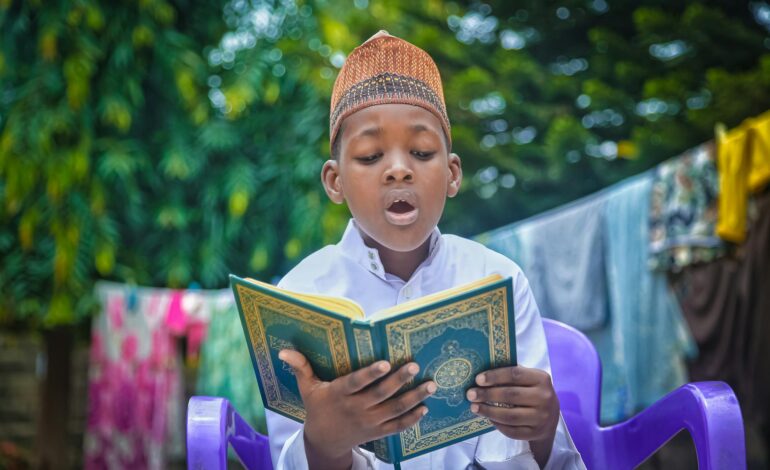
The relationship between Islam and traditional African beliefs represents one of the most fascinating and complex cultural intersections in human history. As Islam spread across North and West Africa over centuries, it encountered deeply rooted indigenous spiritual systems that had sustained communities for millennia. This cultural clash wasn’t simply a matter of religious competition, but rather a profound dialogue between worldviews, practices, and ways of understanding existence itself.
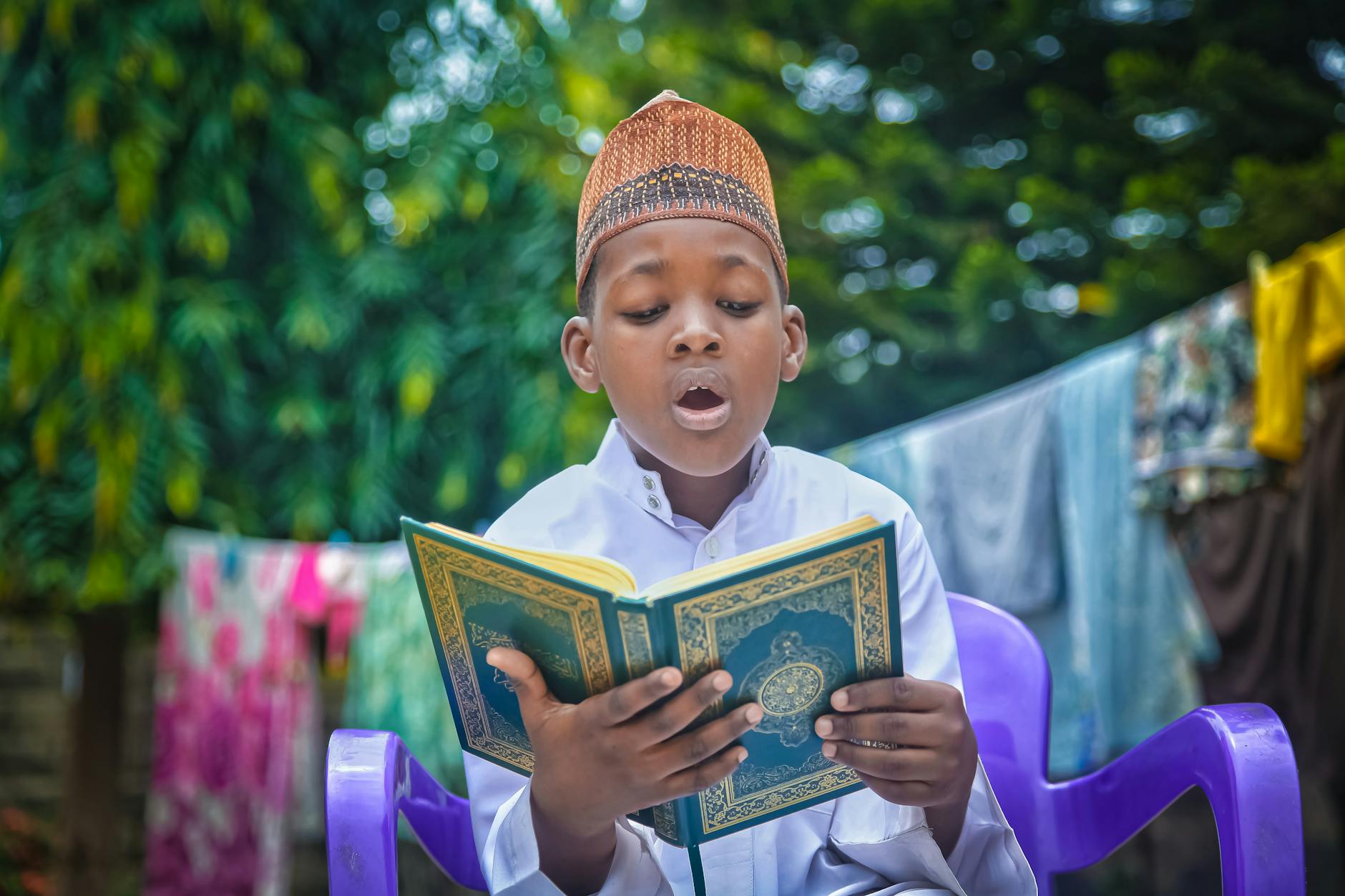
Traditional African religions, characterized by their emphasis on ancestral veneration, nature spirits, and communal rituals, found themselves in conversation with the monotheistic, scripture-based teachings of Islam. The result was neither complete assimilation nor outright rejection, but rather a dynamic process of adaptation, resistance, and synthesis that continues to shape African societies today.
The Historical Context of Religious Encounter
The arrival of Islam in Africa occurred through multiple pathways, each leaving distinct cultural imprints. Trade routes across the Sahara Desert brought Muslim merchants and scholars into contact with West African kingdoms as early as the 8th century. These interactions were primarily commercial at first, but gradually evolved into religious and cultural exchanges that would transform the region.
In East Africa, coastal trading settlements established by Arab merchants created Swahili culture, blending Islamic practices with African traditions. Meanwhile, in North Africa, the indigenous Berber populations experienced both the spread of Islam through conquest and the gradual adoption of Islamic practices through cultural exchange.
Traditional African religions, which had developed over thousands of years, were not monolithic but rather a diverse array of belief systems united by common themes: the importance of ancestors, the presence of spiritual forces in nature, the use of ritual to maintain cosmic harmony, and the centrality of community in religious practice.
Core Differences Between Worldviews
The fundamental philosophical differences between Islam and traditional African beliefs created the framework for their cultural clash. Islam presents a strict monotheism with Allah as the sole deity, while traditional African religions typically embrace a supreme creator alongside numerous spirits and ancestors who mediate between humans and the divine.
Islamic theology emphasizes the finality of the Quran and the prophethood of Muhammad, whereas traditional African religions rely on oral traditions, divination practices, and the accumulated wisdom of community elders. The Islamic concept of individual accountability before God contrasts with the African emphasis on communal responsibility and the ongoing influence of ancestors in daily life.
Another significant difference lies in religious authority structures. Islam has established hierarchies of religious scholars, imams, and institutional frameworks, while traditional African religions distribute spiritual authority across community members, with specific individuals serving as healers, diviners, or ritual specialists without formal religious hierarchies.
Areas of Tension and Conflict
The cultural clash manifested in several areas of direct tension. Ritual practices often came into conflict, as Islamic law prohibits the veneration of anything besides Allah, while traditional African religions center on honoring ancestors and nature spirits. Animal sacrifices, common in both systems but performed for different purposes, became a point of contention.
Social practices also created friction. Islamic inheritance laws, marriage customs, and gender roles sometimes conflicted with traditional African arrangements. The Islamic emphasis on written contracts and formal legal procedures contrasted with African customary law, which relies heavily on oral agreements and community consensus.
Perhaps most significantly, the Islamic concept of conversion—the idea that one could completely abandon previous beliefs for a new faith—challenged the African understanding of religion as an integral part of ethnic and cultural identity that could not be so easily separated or replaced.
Synthesis and Accommodation
Despite these tensions, the encounter between Islam and traditional African beliefs also produced remarkable examples of religious synthesis. In many regions, Islamic practices were adopted while traditional beliefs were maintained in modified forms. This created unique religious expressions that scholars have termed “Islamic-African syncretism.”
Ancestor veneration, for instance, was often reinterpreted within an Islamic framework. Ancestors might be respected as righteous Muslims whose prayers could benefit their descendants, rather than as independent spiritual forces. Traditional healing practices were sometimes incorporated into Islamic medicine, with local healers becoming recognized as practitioners of prophetic medicine.
Festivals and celebrations often merged elements from both traditions. Islamic holidays were celebrated with African music, dance, and communal feasting styles, while traditional seasonal celebrations might incorporate Islamic prayers and references to Allah alongside indigenous deities and spirits.
Regional Variations in Religious Integration
The degree of integration between Islam and traditional beliefs varied significantly across different African regions. In West Africa, particularly in areas like Senegal, Mali, and Nigeria, Islam penetrated deeply into society while allowing considerable space for traditional practices. The Mouride Sufi order in Senegal exemplifies this integration, combining Islamic mysticism with African communal values.
East African coastal regions developed Swahili Islam, which maintained strong connections to African cultural practices while embracing Islamic teachings. The architectural styles, clothing traditions, and social customs of these areas reflect this unique blend of influences.
In contrast, North Africa saw a more complete Islamicization of society, though even there, traces of pre-Islamic Berber beliefs and practices persisted in modified forms. The Amazigh people, in particular, maintained certain cultural practices that blended with Islamic observance.
The Role of Sufism in Religious Accommodation
Sufism, the mystical dimension of Islam, played a crucial role in facilitating the accommodation between Islamic and African traditional beliefs. Sufi orders emphasized direct spiritual experience, ecstatic practices, and the veneration of saints—elements that resonated with African religious sensibilities.
Sufi brotherhoods often incorporated local languages, musical traditions, and cultural practices into their religious expressions. The Qadiriyya and Tijaniyya orders, which spread widely across West Africa, adapted their teachings to local contexts while maintaining core Islamic principles.
This mystical approach to Islam provided a bridge between the structured monotheism of Islamic doctrine and the experiential, community-centered nature of traditional African spirituality. It allowed for the preservation of cultural identity while embracing Islamic faith.
Modern Challenges and Transformations
In contemporary Africa, the relationship between Islam and traditional beliefs continues to evolve under new pressures. Urbanization, globalization, and the spread of more conservative Islamic interpretations have created new dynamics in this age-old interaction.
Islamic reformist movements often reject traditional practices as un-Islamic, creating tension with communities that maintain blended religious expressions. These movements, influenced by global Islamic trends, advocate for a “purer” form of Islam that may conflict with locally developed religious syntheses.
Simultaneously, there is a growing interest in reclaiming and preserving traditional African religions as part of cultural heritage. This has led to efforts to document and revive practices that had been suppressed or modified under Islamic influence, creating new forms of religious expression that acknowledge both Islamic and traditional elements.
Case Studies: Nigeria and Senegal
Nigeria provides a fascinating case study of religious interaction, with its diverse population practicing Islam, Christianity, and traditional religions. In northern Nigeria, the Hausa-Fulani people developed a form of Islam that incorporated elements of traditional Bori spirit possession practices, creating unique religious festivals and healing traditions.
Senegal offers another compelling example, where the Mouride brotherhood has created a distinctly African form of Islamic practice. The emphasis on work, community solidarity, and spiritual guidance from living saints reflects both Islamic principles and traditional African values of communal support and respect for spiritual authority.
These case studies demonstrate that the cultural clash between Islam and traditional beliefs has not resulted in the complete victory of one system over another, but rather in ongoing processes of negotiation and adaptation.
Impact on African Identity and Culture
The interaction between Islam and traditional African beliefs has profoundly shaped African cultural identity. Language, art, music, and social customs across much of Africa bear the imprint of both Islamic and indigenous influences. Arabic loanwords appear in many African languages, while Islamic artistic motifs blend with traditional African designs.
Literature and oral traditions have been enriched by the incorporation of Islamic narratives alongside traditional African stories. The African epic tradition, for instance, includes works like the Sundiata epic of Mali, which combines historical Islamic elements with traditional Mande cultural themes.
This cultural synthesis has created distinctive African Muslim identities that differ significantly from Arab or South Asian Islamic expressions. These identities continue to evolve as African Muslims navigate between global Islamic trends and local cultural traditions.
Lessons for Interfaith Understanding
The historical interaction between Islam and traditional African beliefs offers valuable lessons for contemporary interfaith dialogue. The processes of accommodation, resistance, and synthesis that occurred over centuries demonstrate that religious encounter need not result in conflict or complete assimilation.
The African experience shows that religious traditions can maintain their distinct identities while engaging in meaningful dialogue and mutual influence. The key factors that facilitated this process included the flexibility of Sufi interpretations, the importance of local languages and cultural expressions, and the recognition that religious practice is deeply embedded in social and cultural contexts.
These insights remain relevant as African societies continue to navigate religious diversity in an increasingly interconnected world.
Conclusion: A Continuing Dialogue
The cultural clash between Islam and traditional African beliefs represents not a historical footnote but an ongoing dialogue that continues to shape African societies. This interaction has produced neither the complete triumph of Islam over traditional religions nor their preservation in pure, unchanged forms, but rather a complex tapestry of religious expression that reflects Africa’s diverse cultural heritage.
Understanding this historical process helps us appreciate the richness of African religious traditions and the resilience of cultural identity in the face of profound change. It also provides valuable insights into how different religious systems can interact, influence each other, and create new forms of spiritual expression while maintaining connections to their distinct origins.
As Africa continues to develop and engage with global religious trends, the legacy of this cultural clash will undoubtedly continue to evolve, creating new forms of religious expression that honor both Islamic and traditional African spiritual heritage.