Islam’s Impact on African Education: Key Barriers to Progress

Introduction: The Complex Relationship Between Islam and African Education
The relationship between Islam and education in Africa represents one of the most significant and complex dynamics shaping the continent’s educational landscape. With over 50% of Africa’s population identifying as Muslim, Islamic traditions and practices have profoundly influenced how education is delivered, accessed, and perceived across numerous African nations. This influence extends far beyond religious instruction, affecting curriculum development, language of instruction, gender dynamics, and the very structure of educational systems.

While Islam has historically contributed to educational advancement in Africa through the establishment of centers of learning and preservation of knowledge, contemporary challenges have emerged that create substantial barriers to educational progress. These barriers are multifaceted, involving cultural, religious, political, and socioeconomic factors that intersect in complex ways. Understanding these barriers requires examining both historical context and current realities, as well as recognizing the diversity of Islamic practice across the continent.
This comprehensive analysis explores the various ways in which Islamic influences have created obstacles to educational advancement in Africa, while also acknowledging the positive contributions and potential pathways forward. The goal is to provide a balanced, nuanced perspective that recognizes the complexity of this issue without oversimplifying the relationship between religious tradition and educational development.
Historical Context: Islamic Education in Africa
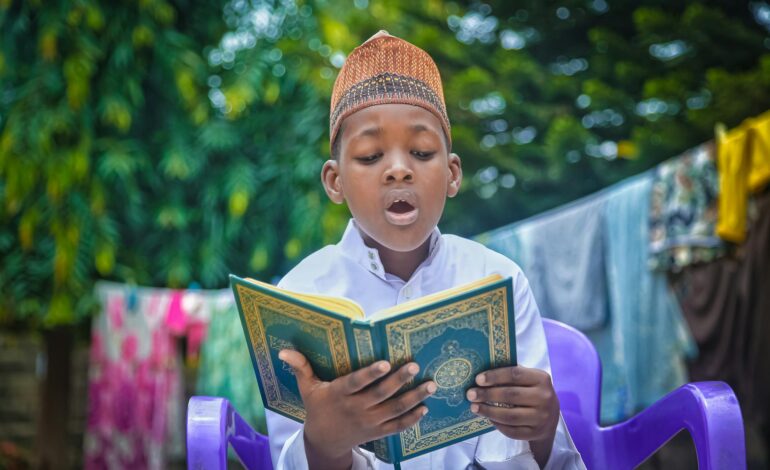
Islamic education in Africa has deep historical roots dating back to the 7th century when Islam first arrived on the continent. The establishment of Islamic schools, known as madrasas, created a parallel educational system that coexisted with traditional African educational practices. These institutions played a crucial role in literacy development, particularly in Arabic, and served as centers for preserving and transmitting knowledge across generations.
The famous centers of learning in Timbuktu, for instance, became renowned for their extensive libraries and scholarly output during the medieval period. These institutions demonstrated that Islamic education could be intellectually rigorous and contribute significantly to human knowledge. However, the historical emphasis on religious education often came at the expense of secular subjects, creating a pattern that continues to influence educational priorities today.
Colonial encounters further complicated the educational landscape, as European powers often viewed Islamic education systems as competitors to their own missionary and secular educational initiatives. This created tensions that persist in various forms, with some Muslim communities viewing secular education as a threat to their religious and cultural identity. The legacy of these historical dynamics continues to shape contemporary attitudes toward education in many African Muslim communities.
Language Barriers and Educational Access
One of the most significant barriers created by Islamic influence on African education is the language divide. Many Islamic educational institutions prioritize Arabic as the language of instruction, particularly for religious studies. While Arabic is undoubtedly important for understanding Islamic texts, this emphasis can create challenges for students who need to master local African languages and international languages like English or French to succeed in broader educational and professional contexts.
The prioritization of Arabic in some Islamic schools often means that students receive limited instruction in the languages needed for national examinations and higher education. This creates a situation where students may be highly knowledgeable in religious matters but struggle to access mainstream educational opportunities. The result is a form of educational segregation that can limit social mobility and economic opportunities for students from Islamic educational backgrounds.
Additionally, the use of Arabic script for local African languages, known as Ajami, while valuable for preserving linguistic heritage, can create additional barriers when students need to transition to Latin script-based educational systems. This script transition represents an additional hurdle that students must overcome, often without adequate support or resources.
Gender-Based Educational Barriers
Islamic interpretations regarding gender roles have created significant barriers to female education in many parts of Africa. While the Quran explicitly encourages both men and women to seek knowledge, cultural interpretations of Islamic principles in some communities have resulted in restrictions on female education. These restrictions often manifest in various ways, including limitations on girls’ access to formal schooling, segregated educational facilities, and curricula that emphasize domestic skills over academic subjects.
The practice of early marriage, which is more prevalent in some Muslim communities, represents a particularly significant barrier to female education. When girls are married young, they often leave school to assume domestic responsibilities, effectively ending their formal education. This practice not only limits individual opportunities but also has broader societal impacts, as research consistently shows that female education is correlated with improved health outcomes, economic development, and social progress.
Even in cases where girls are allowed to attend school, gender segregation and conservative dress codes can create practical challenges. Limited access to female teachers, concerns about modesty in mixed-gender environments, and transportation issues in conservative communities all contribute to lower female enrollment and retention rates in educational institutions.
Curriculum Conflicts and Content Restrictions
The content of educational curricula in many Islamic African contexts faces significant restrictions based on religious interpretations. Topics considered contradictory to Islamic teachings, such as evolution, certain aspects of human biology, world history that conflicts with religious narratives, and Western philosophical traditions, may be excluded or presented in ways that align with religious doctrine rather than scientific consensus.
This curriculum narrowing has several negative consequences. First, it limits students’ exposure to diverse perspectives and critical thinking opportunities. Second, it can create difficulties when students attempt to pursue higher education in secular institutions or compete in national examinations that expect standard scientific and historical knowledge. Third, it may leave students unprepared for careers in fields that require understanding of concepts deemed controversial from religious perspectives.
The tension between religious and secular knowledge also affects teacher training and educational policy. Teachers may feel conflicted about presenting material that contradicts their religious beliefs, while educational authorities may struggle to balance respect for religious traditions with the need to provide comprehensive, modern education that prepares students for contemporary challenges.
Economic Barriers and Religious Priorities
Islamic charitable principles, while admirable in their intent, can sometimes create economic barriers to education. The emphasis on zakat (charitable giving) and waqf (religious endowments) often directs resources toward religious institutions rather than secular educational infrastructure. While these religious institutions provide valuable services, the concentration of resources in religious education can come at the expense of broader educational development.
Additionally, the cost of Islamic education, which may include fees for religious schools, costs associated with religious pilgrimages, and expenses related to religious celebrations, can strain family resources that might otherwise be invested in secular education. In some cases, families may prioritize religious education over secular education due to cultural or religious beliefs about the relative importance of different types of knowledge.
The informal economy that has developed around Islamic education, including the system of alms-giving to religious students and teachers, while providing some economic support, can also create dependencies that discourage investment in more formal, secular educational institutions. This informal system, while culturally significant, may not provide the sustainable funding needed for comprehensive educational development.
Political and Religious Authority Conflicts
The relationship between religious and state authority in many African Muslim-majority countries creates complex political barriers to educational reform. Religious leaders often wield significant influence over community decisions, including those related to education. When religious authorities oppose certain educational policies or reforms, their influence can effectively block implementation at the local level.
This dynamic is particularly evident in debates over curriculum content, language of instruction, and the role of religious education in public schools. Religious authorities may resist efforts to standardize education or introduce secular subjects, viewing such changes as threats to Islamic identity and values. The result can be a fragmented educational system where different communities follow different standards and curricula.
Political leaders, recognizing the influence of religious authorities, may be reluctant to pursue educational reforms that could create religious opposition. This political calculus can lead to compromises that maintain the status quo rather than pursuing progressive educational policies that could better serve students’ long-term interests.
Social and Cultural Resistance to Change
Deeply ingrained cultural practices associated with Islamic traditions can create resistance to educational innovations and reforms. Communities may view changes to traditional educational methods as threats to their cultural identity and religious values. This resistance can manifest in opposition to co-educational settings, rejection of certain teaching methods, or refusal to adopt modern educational technologies.
The concept of honor and modesty in some Islamic cultures can also create barriers to certain types of educational activities. For example, concerns about gender mixing may limit participation in group projects, educational field trips, or extracurricular activities that are considered standard components of modern education. These cultural restrictions can limit the effectiveness of educational programs and reduce student engagement.
Additionally, the emphasis on traditional knowledge transmission methods, such as rote memorization of religious texts, can conflict with modern pedagogical approaches that emphasize critical thinking, creativity, and problem-solving skills. Communities invested in traditional methods may resist educational reforms that introduce more interactive and analytical learning approaches.
Infrastructure and Resource Limitations
Islamic educational institutions in many parts of Africa face significant infrastructure and resource limitations that create barriers to quality education. Many Islamic schools operate with minimal funding, lacking basic facilities such as libraries, laboratories, computers, and internet access. These resource constraints limit the ability to provide comprehensive education that meets contemporary standards.
The focus on religious education often means that limited resources are directed toward religious materials and facilities rather than secular educational resources. This can result in a situation where students have extensive access to religious texts but lack basic educational materials in subjects like mathematics, science, and modern languages.
Teacher training presents another significant challenge. Islamic educational institutions often struggle to attract and retain qualified teachers who have both religious knowledge and modern pedagogical training. The result is often a reliance on teachers who may be excellent in religious instruction but lack the skills and knowledge to provide comprehensive modern education.
Pathways Forward: Balancing Tradition and Progress
Addressing the barriers created by Islamic influences on African education requires approaches that respect religious traditions while promoting educational progress. Successful strategies must involve religious leaders, educators, policymakers, and communities in collaborative efforts to develop educational models that integrate religious and secular knowledge.
One promising approach involves the development of integrated curricula that teach religious and secular subjects in complementary ways. This model recognizes the value of religious education while ensuring that students receive comprehensive preparation for contemporary challenges. Such integration requires careful curriculum development and teacher training to ensure that both religious and secular knowledge are presented accurately and respectfully.
Community engagement and dialogue are essential components of any successful reform effort. Religious leaders, who often have significant influence over educational decisions, must be included in discussions about educational reform. Their support can be crucial in gaining community acceptance for changes that might otherwise be viewed with suspicion or resistance.
Investment in teacher training programs that prepare educators to teach both religious and secular subjects effectively is another critical component of progress. These programs should emphasize pedagogical skills, content knowledge across multiple disciplines, and strategies for addressing the unique challenges of Islamic educational contexts.
Conclusion: Toward Inclusive Educational Development
The impact of Islam on African education systems presents both challenges and opportunities. While certain interpretations and practices have created barriers to educational progress, the fundamental Islamic emphasis on knowledge and learning provides a foundation for positive change. The key lies in developing approaches that respect religious traditions while ensuring that all students have access to comprehensive, quality education that prepares them for success in contemporary society.
Moving forward requires recognizing the diversity within Islamic traditions and avoiding generalizations that may not apply to all communities. It also requires acknowledging that many of the barriers to educational progress are not inherent to Islam itself but rather result from specific cultural interpretations and historical circumstances that can be addressed through thoughtful, inclusive approaches to educational reform.
The path forward involves collaboration, dialogue, and a commitment to finding solutions that honor both religious traditions and the universal right to quality education. By working together to address these challenges, African communities can develop educational systems that preserve valuable cultural and religious heritage while providing students with the knowledge and skills they need to thrive in an increasingly complex and interconnected world.